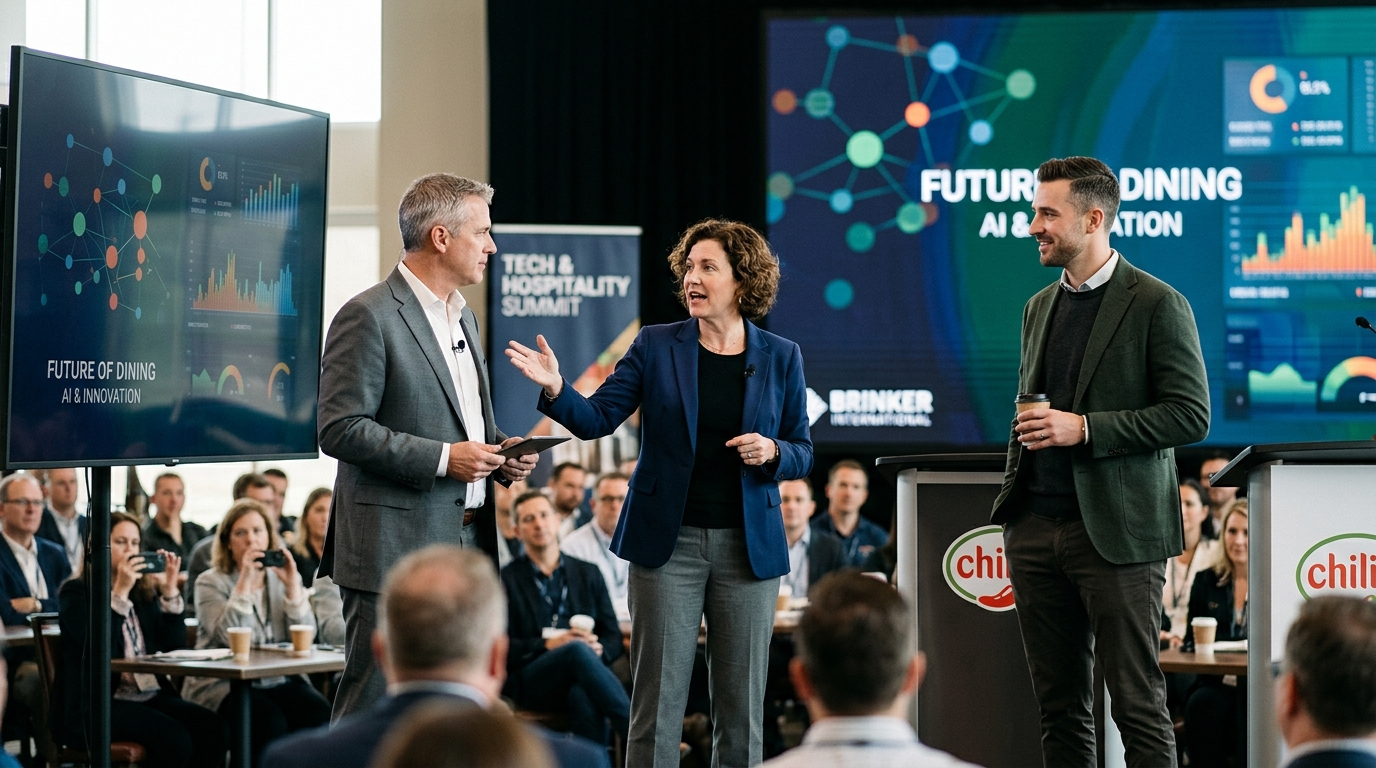
In the high-stakes world of casual dining, where profit margins are often as thin as a slice of onion, technology has become the secret sauce for survival. Brinker International, the powerhouse behind global icons like Chili’s Grill & Bar and Maggiano’s Little Italy, is currently at the vanguard of a quiet but profound digital revolution. Under the leadership of CIO Pankaj Patra, the company has completed a multi-year marathon of infrastructure modernization, effectively clearing the path for full-scale Artificial Intelligence (AI) integration.
Dismantling Tech Debt: The Foundation of Innovation
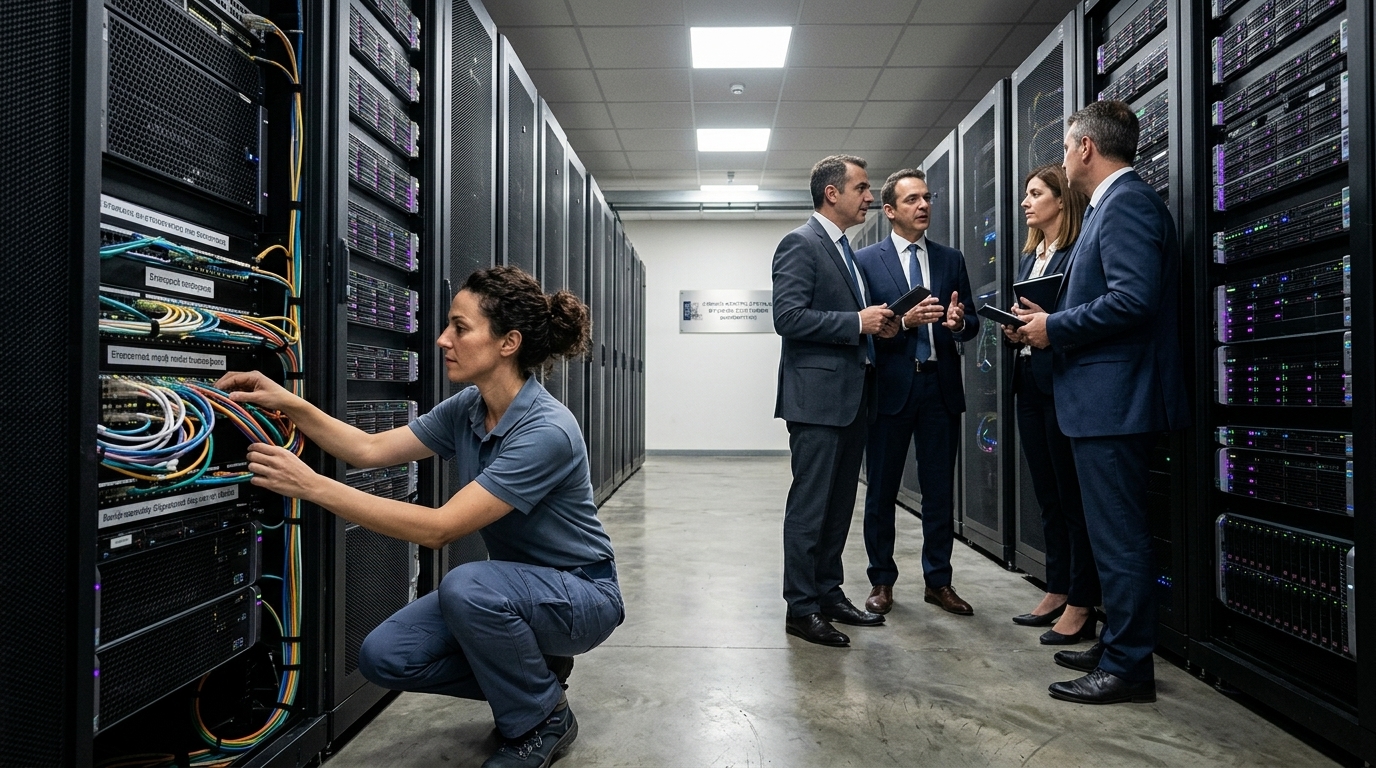
For Brinker, the journey toward AI didn't begin with flashy robotics or futuristic kiosks. It started with the grueling task of addressing "technical debt." Years ago, the company’s systems were a fragmented web of legacy software, siloed databases, and manual processes that stifled agility. Patra and his team dedicated significant resources to migrating operations to the cloud, consolidating customer data, and building a unified digital backbone.
This clean slate is now the fertile ground where AI algorithms thrive. Industry analysts point to Brinker’s journey as a masterclass for Fortune 500 companies: you cannot build a sophisticated AI superstructure on a crumbling foundation. By centralizing data, Chili’s now understands not just what customers order, but the context of their visits—timing, weather, and frequency—creating a 360-degree profile that was previously unattainable.
AI in the Kitchen: Precision and Efficiency
One of the most impactful applications of AI at Brinker lies in operational efficiency. The company is now leveraging predictive modeling for labor scheduling and inventory management. AI can forecast with startling accuracy how busy a specific location will be on a Tuesday night by analyzing local events, weather patterns, and historical trends. This allows managers to optimize staffing levels, preventing the service bottlenecks of understaffing and the wasted capital of overstaffing.
Furthermore, AI is making its way onto the line. Through algorithms that analyze prep times and kitchen throughput, Chili’s can synchronize orders so that every guest at a table receives their meal simultaneously and at the peak of quality. These micro-optimizations, while subtle at the individual level, aggregate into millions of dollars in savings and significantly higher guest satisfaction scores across hundreds of locations.
Personalization and the Future of Marketing
In marketing, Brinker is pivoting from mass promotions to a strategy of hyper-personalization. Utilizing Generative AI, the company can create dynamic content and offers tailored specifically to individual members of the My Chili’s Rewards program. If a guest consistently orders the famous baby back ribs, the AI will deliver a personalized incentive related to their preferences, rather than a generic discount on an item they’ve never shown interest in.
However, Brinker remains strategically cautious. Patra has emphasized that technology must enhance the human experience, not replace it. In Chili’s restaurants, the goal is for AI to handle the cognitive load of logistics, freeing up staff to focus on the art of hospitality. Balancing automation with the human touch is the critical tightrope the company must walk in the coming years.
Challenges and the Strategic Horizon
Despite the momentum, hurdles remain. Implementing AI requires a continuous pipeline of investment and top-tier talent at a time when capital costs are significant. Moreover, data privacy remains a paramount concern; any breach of guest trust could be catastrophic. Brinker appears to be taking a pragmatic approach, eschewing hype in favor of solutions that provide measurable ROI.
In conclusion, Brinker International is no longer just a restaurant operator; it is evolving into a technology company that serves food. Its ability to translate data into actionable insights will determine whether Chili’s continues to dominate the casual dining landscape or falls victim to more agile, digitally-native competitors. One thing is certain: the menu of the future will be written in code.