In the heart of the digital revolution sweeping the financial sector, a new and somewhat eerie trend is taking root: the replacement of real humans with "synthetic customers." According to recent industry reports and analyses, major banks and fintech companies are now turning to Artificial Intelligence (AI) clones to test new products, refine user interfaces, and assess credit risk. This shift is not merely a technical upgrade; it represents a fundamental change in how financial institutions perceive and interact with their audience.
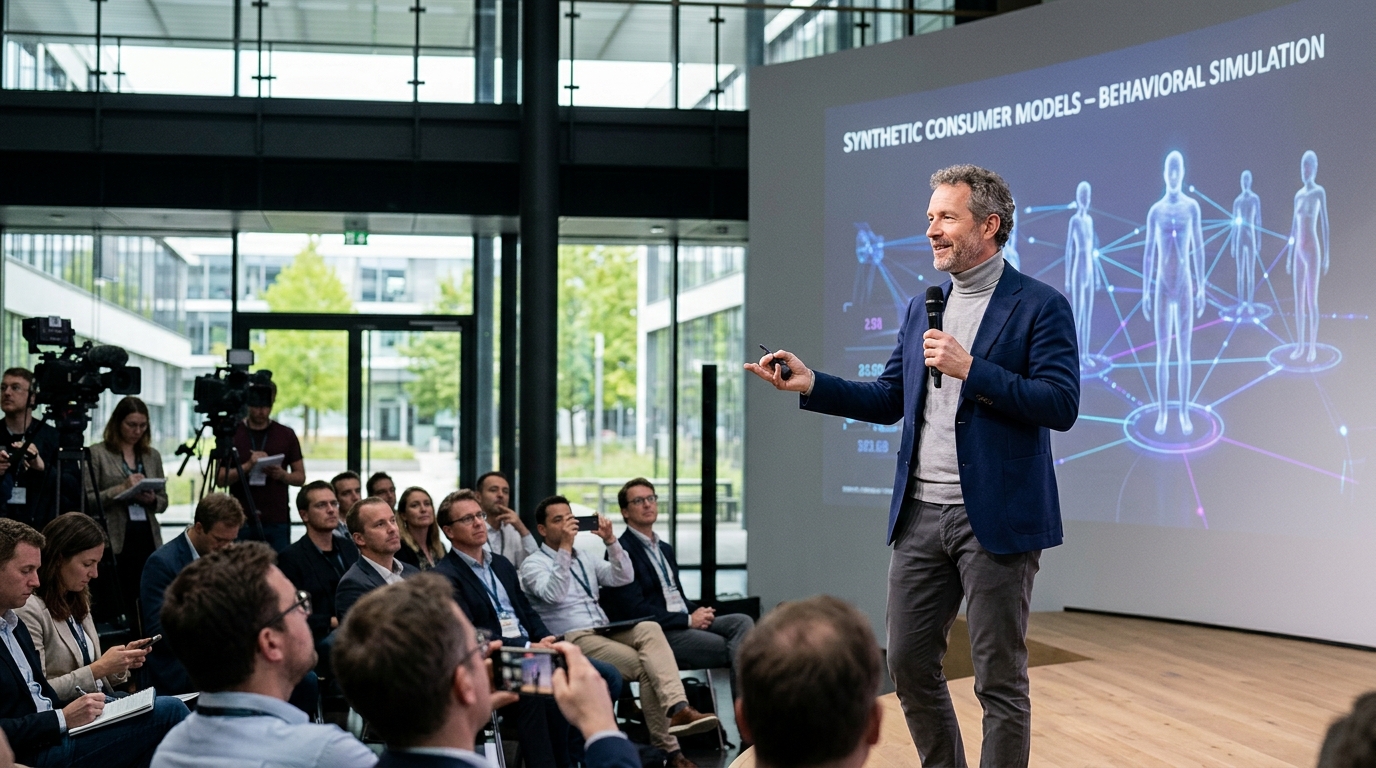
The traditional method of product testing involved focus groups, surveys, and volunteers testing beta versions of apps. However, this process is slow, expensive, and often restricted by stringent data protection regulations like GDPR. AI clones, or "synthetic agents," offer a way out. These are algorithmic models trained on massive datasets of real transactions, behaviors, and demographics, allowing them to react to new stimuli with a startling resemblance to real consumers.
The Technology Behind Digital Twins
The creation of these synthetic entities relies on Generative AI and advanced statistical modeling. Banks feed the system with anonymized data from millions of customers. The AI learns not just how people spend their money, but also how they react to interest rate changes, new fees, or a more user-friendly mobile app interface. The result is a "digital twin" that can predict with 90% accuracy whether a real customer would churn or purchase a new insurance product.
The major advantage here is scale. While a bank might take months to gather feedback from 1,000 real people, it can run simulations on 1,000,000 synthetic customers in a matter of minutes. This speed facilitates rapid innovation, allowing banks to discard failed ideas before they even hit the market, saving billions in development costs.
Privacy and Regulatory Compliance
One of the primary drivers of this shift is the increasing pressure for privacy protection. Using real customer data for testing is legally hazardous. Synthetic data, however, belongs to no real person. There is no risk of leaking personal information because the "customers" testing the system do not actually exist. This solves the regulatory compliance puzzle, allowing developers to work with data that "looks" and "behaves" like real data without being real.
However, the use of synthetic data is not without its risks. Critics warn of the "echo chamber" effect. If AI models are trained on historical data containing biases—for example, discrimination against specific social groups in lending—then the AI clones will replicate and amplify those biases. If banks stop listening to real people, they risk creating products that work perfectly in a digital world but fail spectacularly to meet the unpredictable needs of real life.
The End of the Human Touch?
Ethical questions also arise regarding the alienation of the financial system from humanity. When decisions about which products to offer are based on algorithmic simulations, the bank ceases to be an organization serving people and becomes a system optimizing mathematical parameters. The loss of "random" human feedback—that unpredictable observation a customer might make in a branch—could lead to a sterile and less inclusive banking experience.
In conclusion, the use of AI clones is a double-edged sword. On one hand, it promises safer, cheaper, and more personalized products. On the other, it threatens to create a gap between banks and the real social fabric they serve. The challenge for 2026 and beyond will be finding the golden mean: using AI for efficiency without losing the human empathy that forms the basis of trust in the economy.