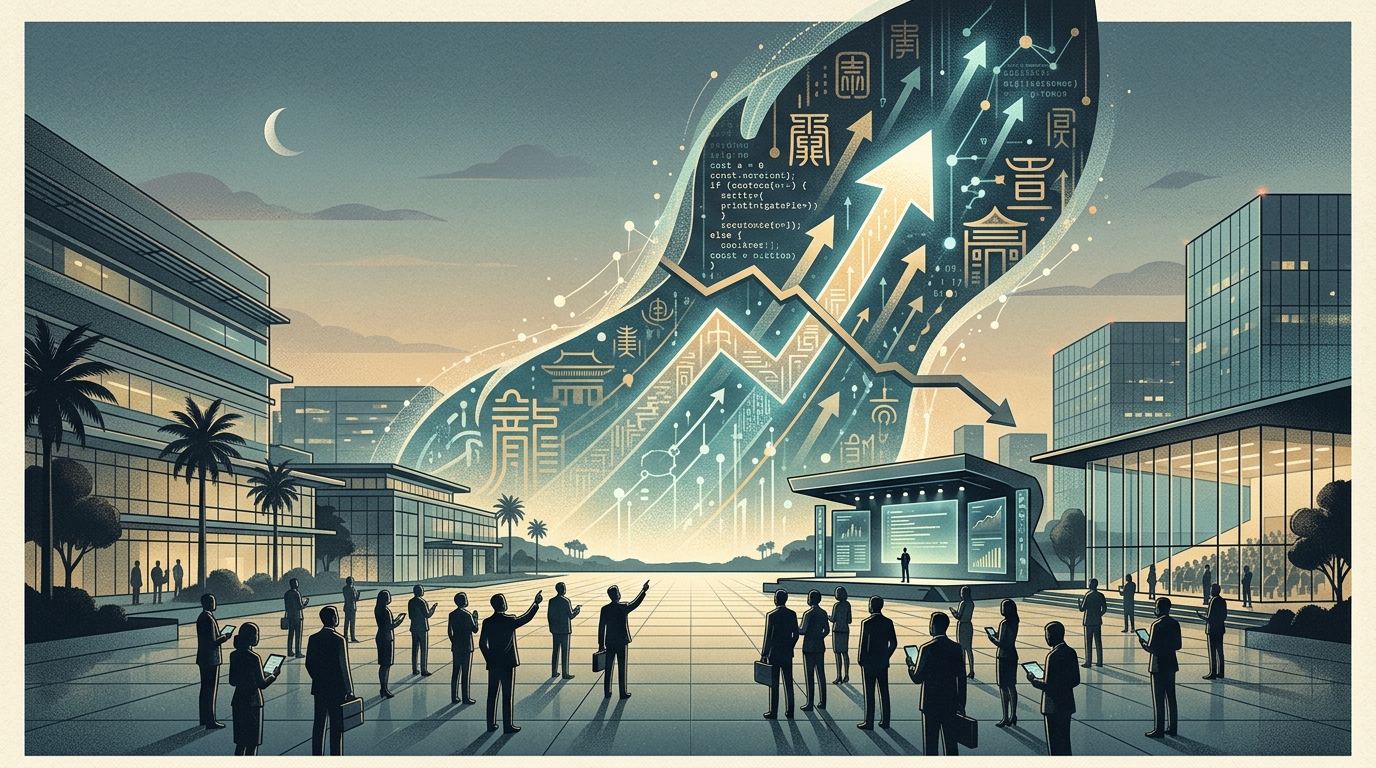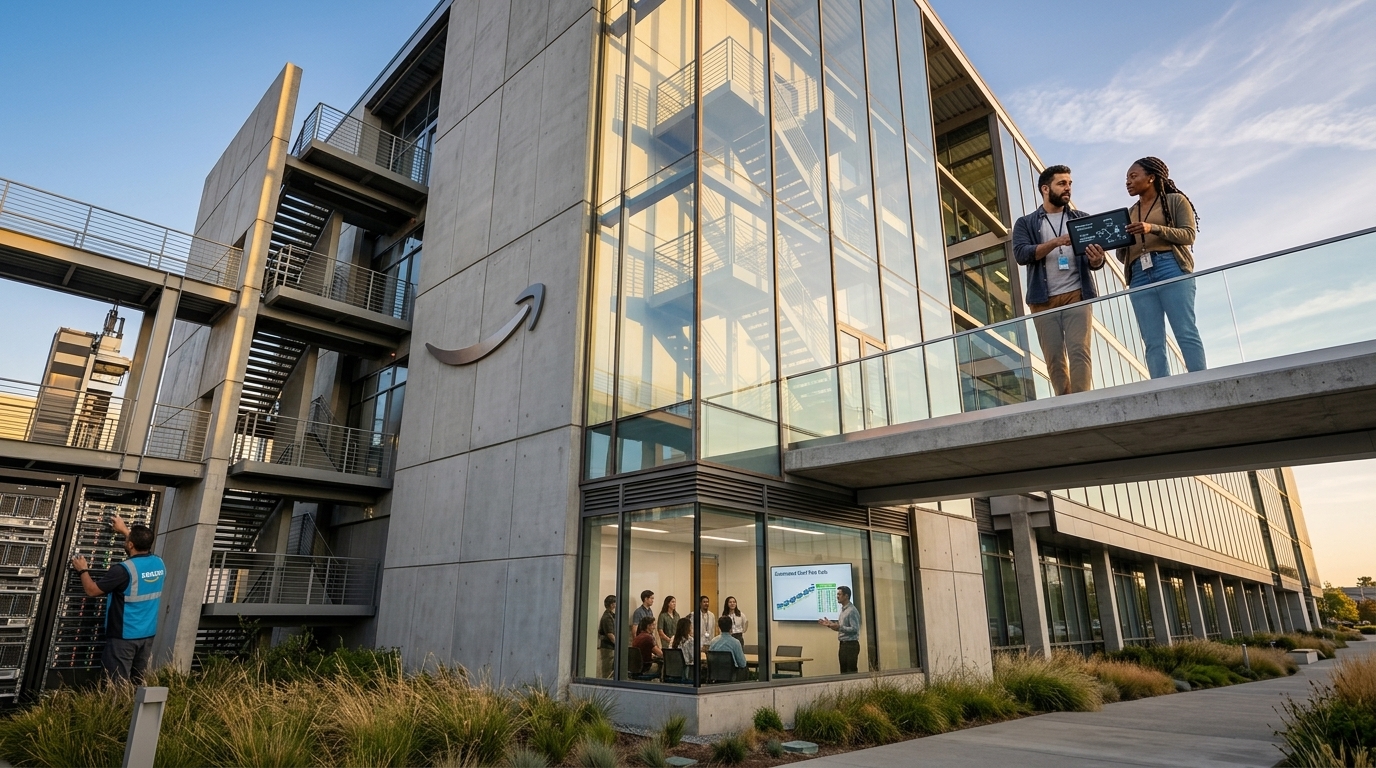
In a move poised to fundamentally reshape the global commerce landscape, Amazon has officially announced the rollout of its advanced artificial intelligence technology, previously exclusive to 'Alexa for Shopping,' to third-party retailers. This development is not merely a new business venture; it is a profound strategic pivot. Amazon is transitioning from being the dominant player in retail to becoming the 'digital contractor' providing the infrastructure for the entire industry. This is the application of the 'AWS strategy' to the retail sector—turning a massive internal R&D cost into a high-margin, scalable revenue stream.
The AWS Playbook Applied to Retail
For observers of Amazon’s trajectory, this move feels like history repeating itself. In the early 2000s, Amazon built a gargantuan server infrastructure to support its own e-commerce growth. Realizing the potential of this asset, they began renting it to others, creating Amazon Web Services (AWS), which now generates the lion's share of the company's operating income. Today, the same logic is being applied to Artificial Intelligence. The tech that allows Alexa to parse consumer intent, predict replenishment cycles, and offer hyper-personalized recommendations is now a licensable product.
Retail competitors, from legacy supermarket chains to boutique fashion houses, face a grueling dilemma. Developing equivalent AI capabilities requires billions in investment and years of data gathering. Conversely, adopting Amazon's technology means handing over the keys to their customer experience to their primary rival. However, the pressure to modernize is so acute that many are viewing Amazon’s AI suite as a 'necessary evil' for survival in an increasingly algorithmic economy.
The Tech Stack: From Voice to Generative AI
Amazon’s B2B offering extends far beyond simple voice commands. It encompasses a comprehensive suite of Generative AI tools that can be integrated into mobile apps, websites, and even physical store environments. Analysts suggest that the 'Alexa for Shopping' suite for third parties includes:
- Predictive Purchase Analytics: Algorithms that forecast when a customer will run out of a product before they even realize it.
- Virtual Shopping Concierges: LLM-based chatbots capable of nuanced, natural language dialogues for product comparisons and styling advice.
- Supply Chain Synchronization: Systems that link consumer demand signals directly to inventory management, drastically reducing overhead.
"We aren't just selling software; we are selling the distilled experience of decades spent understanding the modern consumer," an Amazon spokesperson noted during the launch event.
This approach shifts the shopping paradigm. The consumer will no longer need to sift through endless grids of products. Instead, AI will act as a sophisticated personal shopper who knows their history, budget, and tastes—regardless of whether they are shopping on Amazon.com or at a local retailer powered by Amazon’s backend.
The Data Dilemma and Regulatory Headwinds
The primary concern for the industry remains data sovereignty. When a retailer utilizes Amazon's AI, who truly owns the customer relationship? While Amazon insists that customer data remains siloed and under the retailer's control, history suggests that such concentrations of information often lead to anti-competitive advantages. Regulators in the EU and the US are already scrutinizing the move, fearing that Amazon could use aggregated, anonymized data from its competitors to further refine its own private-label offerings.
There is also a significant social dimension. The automation of the shopping experience through AI reduces the necessity for human staff in customer service and inventory roles. While Amazon promises increased efficiency, labor unions warn of a new wave of displacement in the retail sector as machines take over the role of the sales associate and the floor manager.
Conclusion: The Era of Commerce-as-a-Service
Amazon’s decision to sell its AI technology marks the end of an era where companies competed solely on product selection or price. In the 21st century, the real competition is in the infrastructure. Much like Microsoft dominates operating systems and Google dominates search, Amazon aspires to be the operating system of global commerce. For the consumer, this promises unprecedented convenience. For the market, it signifies a concentration of power in the hands of a single entity that is no longer afraid to arm its rivals—as long as they pay the toll.