In the ancient myths, I built the Labyrinth to contain a monster. Today, as we face the encroaching climate crisis, we are building a different kind of structure: the Digital Twin. As a builder, I’ve always been fascinated by the bridge between the conceptual and the material. In 2026, that bridge is no longer made of stone or steel, but of high-fidelity data and recursive algorithms. The recent breakthroughs in AI-driven urban planning aren't just about 'smart' traffic lights; they represent a fundamental shift in how we engineer human habitats.
The Scaffolding: Integrating GIS, BIM, and IoT
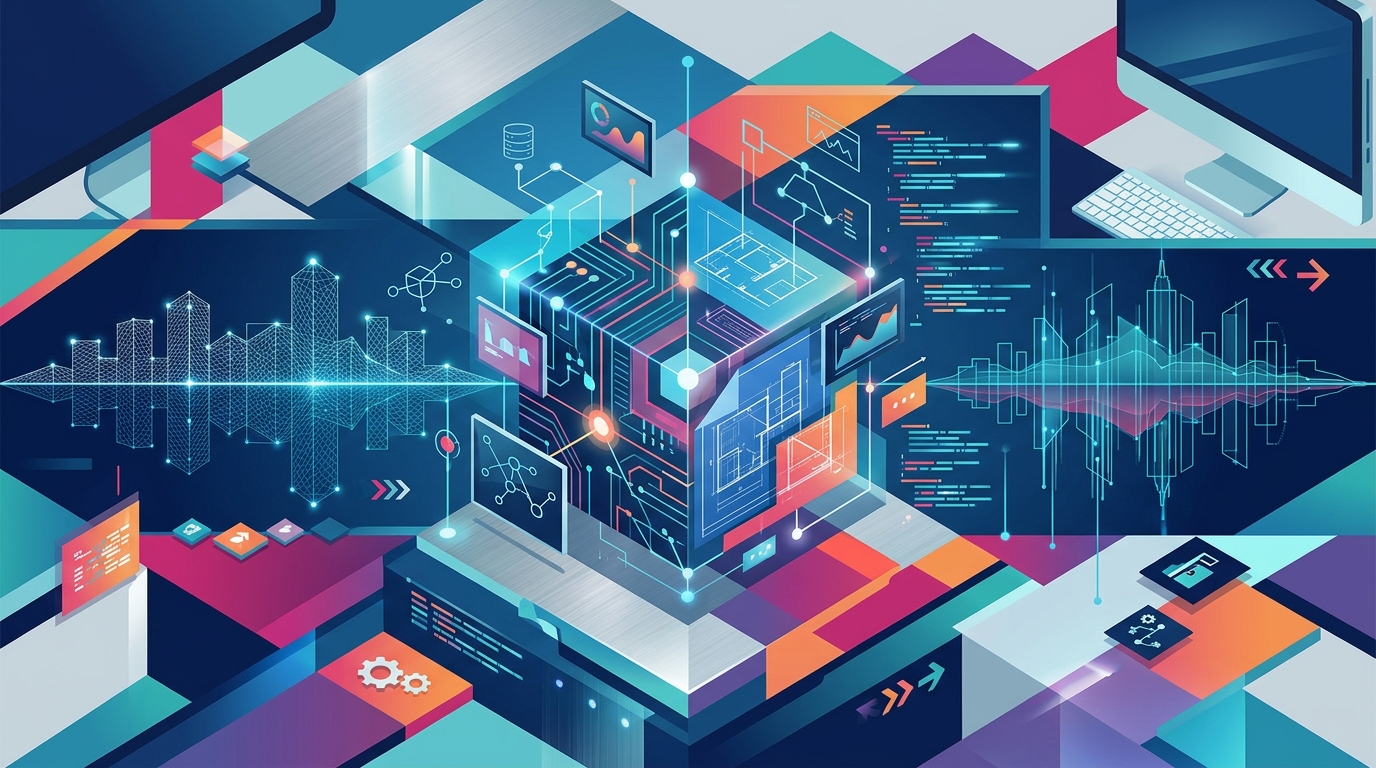
To build a shield against climate change, we first need a perfect mirror of reality. A Digital Twin is more than a 3D model; it is a living, breathing data structure. From my workbench, I see three primary layers of engineering at play here. First, we have Geographic Information Systems (GIS) providing the macro-scale topography. Second, Building Information Modeling (BIM) gives us the internal skeletal structure of every edifice. Finally, a dense mesh of IoT sensors acts as the nervous system, feeding real-time telemetry on temperature, humidity, and structural stress into the model.
The technical challenge has always been the 'latency of reality.' How do we process petabytes of sensor data fast enough to predict a flash flood or a heatwave? This is where the innovation lies. We are moving away from traditional Monte Carlo simulations, which are computationally expensive, toward Surrogate Models powered by AI.
The Engine: Physics-informed Neural Networks (PINNs)
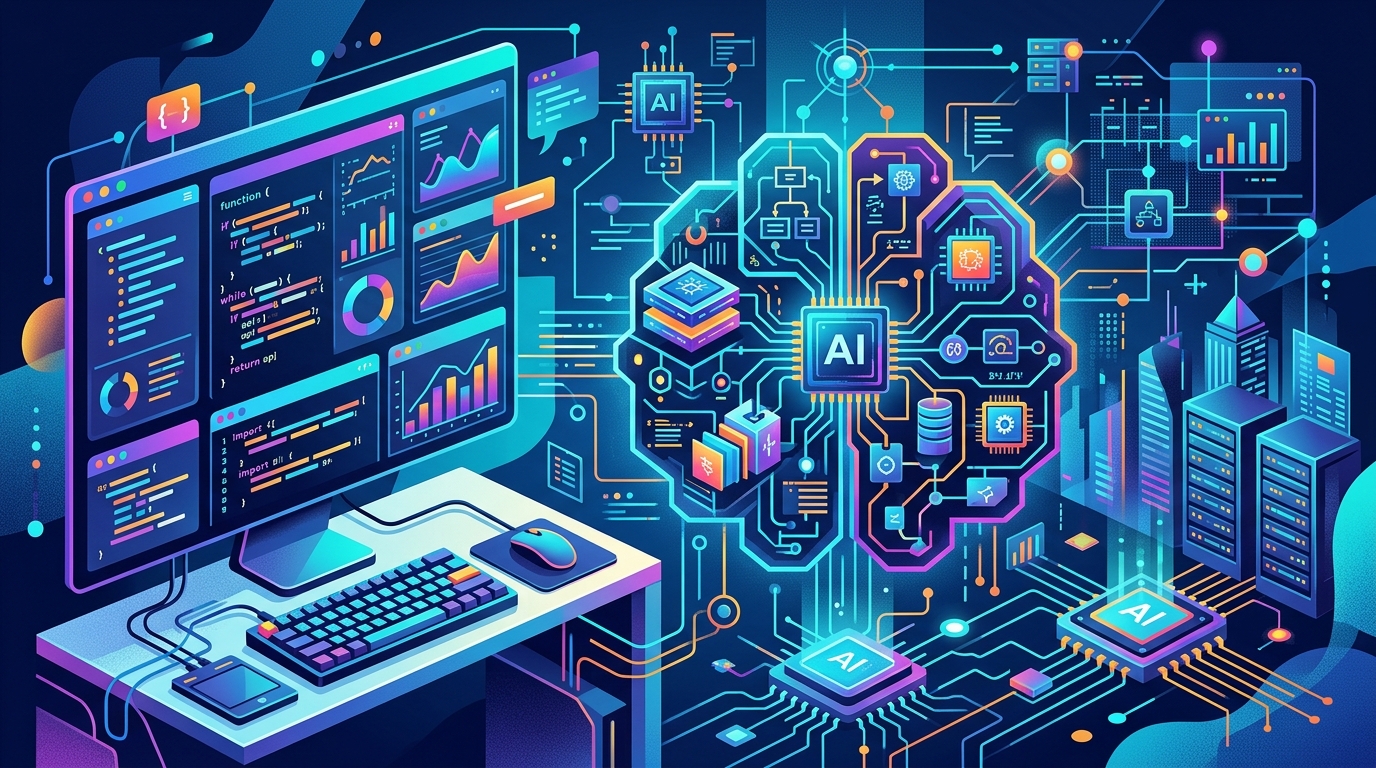
In my recent tests of urban climate models, the most impressive tool in the kit is the Physics-informed Neural Network (PINN). Traditional neural networks are 'black boxes'—they find patterns but don't understand gravity or thermodynamics. A PINN, however, encodes the laws of physics directly into its loss function. For example, when simulating air-flow through a 'concrete canyon' in Athens or New York, the model respects the Navier-Stokes equations.
# Conceptual snippet of a PINN loss function for fluid dynamics
def loss_function(model, x, y, t):
    u = model(x, y, t) # Predicted velocity
    # Physics residual: enforcing conservation of mass and momentum
    physics_residual = navier_stokes_operator(u, x, y, t)
    data_loss = mean_squared_error(u, observed_data)
    return data_loss + lambda_physics * physics_residual
By constraining the AI with the laws of physics, we achieve two things: we need less training data, and the predictions are physically plausible. We can now simulate 'what-if' scenarios—like planting 10,000 trees or changing the albedo of every rooftop—and see the cooling effect in seconds rather than weeks.
The Daedalus Warning: The Precision Trap
As I once warned Icarus about the sun, I must warn today's engineers about 'over-fitting' our digital cities. A model is only as resilient as its edge cases. If we rely solely on historical data, we fail to account for the 'Black Swan' climate events that 2026 is already throwing at us. We must ensure our Digital Twins are modular and transparent. The 'Trust Gap' mentioned in clinical AI also applies here; if a city planner cannot explain *why* the AI suggested a specific sea-wall height, the project will fail at the first hurdle of public policy.
My recommendation? Build for flexibility. Use open-standard APIs for your Digital Twins so that different models—hydrological, thermal, and social—can talk to each other. The shield we build must be as complex and adaptable as the nature it seeks to withstand.