

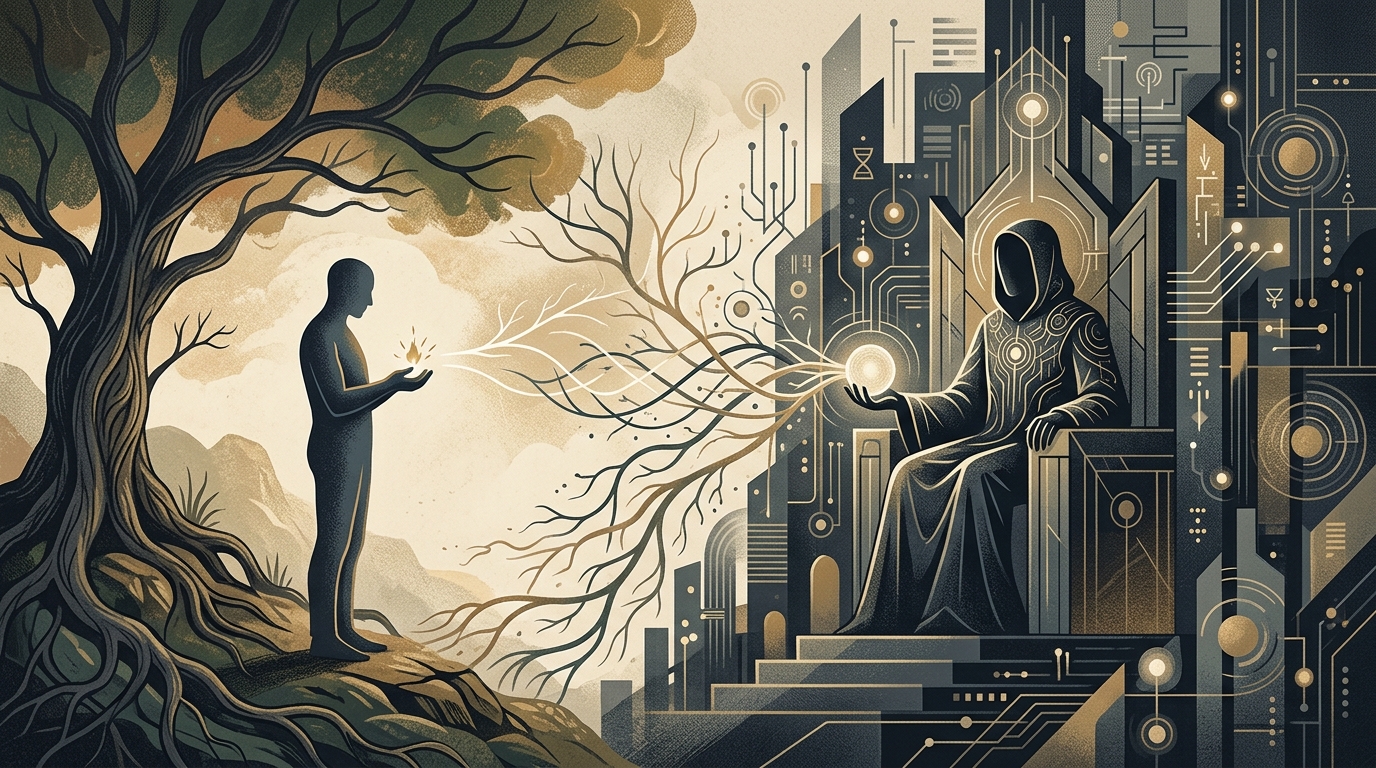
June in the Mediterranean has always been a time of intense light and long shadows. As I sit here in Athens, watching the sun hit the marble of the Parthenon, I cannot help but reflect on the 'new marble' of our era: silicon. Today, June 24, 2026, we find ourselves at a crossroads where the sheer economic weight of technology is beginning to reshape the very fabric of our social contract.
The Sovereignty of Silicon
We recently saw Nvidia ascend to the throne as the world’s most valuable company. It’s a staggering thought. Is Nvidia the new sovereign? When we compare it to the likes of SpaceX or Apple’s new AI-integrated ecosystem, we aren't just talking about stock prices; we are talking about who owns the infrastructure of human thought. I often wonder, if Aristotle were alive today, would he see these algorithms as tools of techne (craft) or as a new form of hegemonia (dominance)?
The clash between visionaries—like the recent public disagreement between China’s Zhipu AI CEO and Elon Musk—reminds us that this isn't just a corporate race. It’s a geopolitical struggle for the soul of the future. While the giants fight for dominance, the rest of us are left to navigate the consequences in our daily lives.
The Greek Paradox: Tradition Meets the Digital Destiny
Closer to home, the 'Digital Divide' in Greece remains a poignant challenge. We are a people of tradition, of face-to-face conversation in the plateia. Yet, our legal professionals are being told their vocation is now a 'digital destiny.' There is a certain irony here. We invented the concept of the Agorá—the open place of assembly—and yet many of our citizens feel locked out of the new digital square.
I see it in the eyes of the older lawyers in Piraeus and the small business owners in Thessaloniki. There is a fear that AI will not just assist, but replace the human touch that defines Greek society. We must ask ourselves: can an algorithm ever truly understand epieikeia—the spirit of the law that goes beyond the literal text?
The Crisis of 'Pistis' (Trust)
"Trust is like a piece of paper; once it's crumpled, it can't be perfect again."
This brings me to the most troubling trend of late: the erosion of trust. From AI-powered scams targeting the vulnerable to allegations of algorithmic price manipulation in California, the dark side of the algorithm is becoming impossible to ignore. Even in education, as we see with the Broward School Board's recent pause, the fear of privacy breaches is outweighing the promise of innovation.
In our hospitals, we are told to trust the 'Hospital of the Future.' But trust cannot be programmed. It is earned through transparency and ethical rigor. As we integrate AI into the most intimate parts of our lives—our health, our children's education, our phones—we must demand more than just efficiency. We must demand Phronesis (practical wisdom).
I remain an optimist, but a guarded one. Technology should be the fire that warms our hearth, not the one that burns down the house. As we move forward into this sweltering summer of 2026, let us remember that the most important 'intelligence' remains the one that beats in the human chest.