The New Seismology of Digital Trade
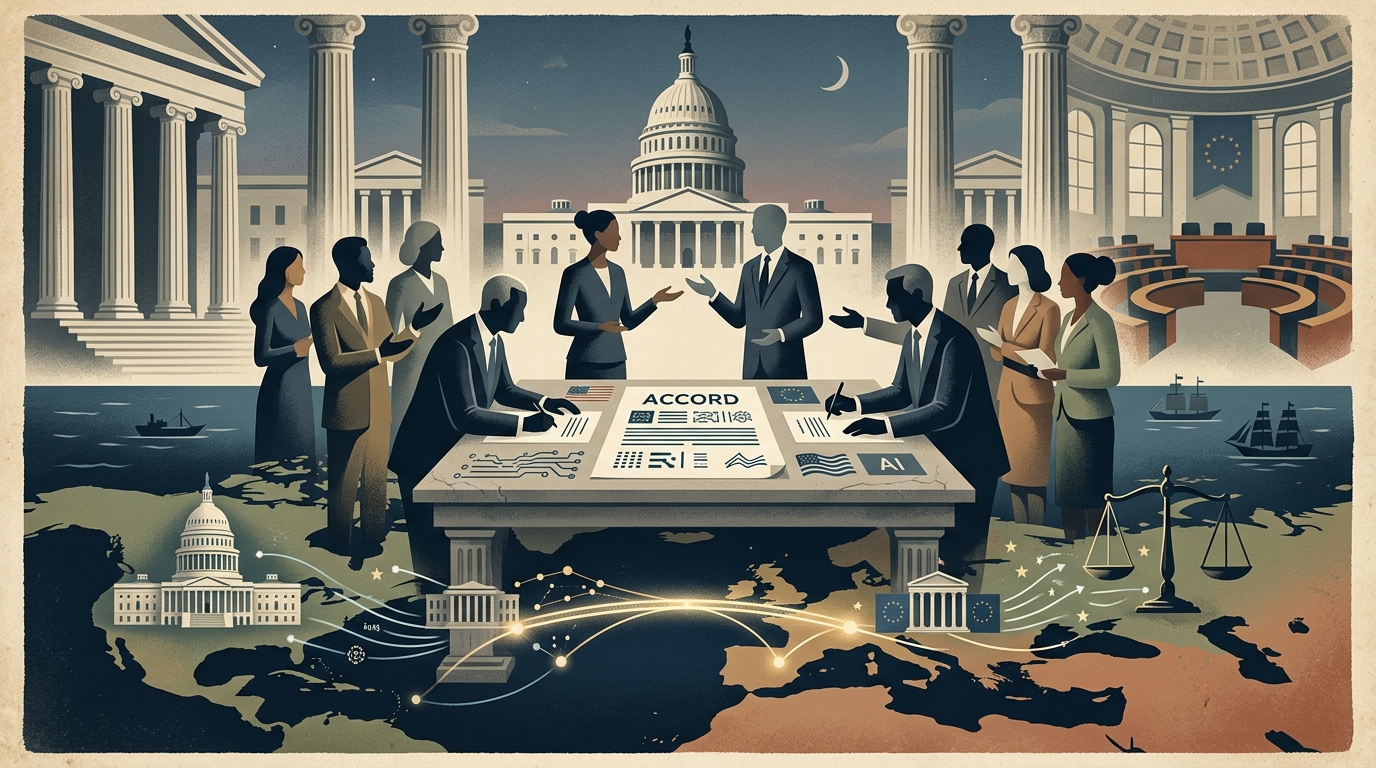
Today, July 1, 2026, marks a significant milestone in the geopolitical architecture of the digital age. As the EU-US Trade Agreement officially takes effect, we find ourselves at a crossroads reminiscent of the ancient amphictyonies—alliances formed not just for commerce, but for the shared protection of a common way of life. For Greece, this agreement arrives at a critical juncture, as the nation attempts to pivot from a service-oriented economy to a Mediterranean technological hub.
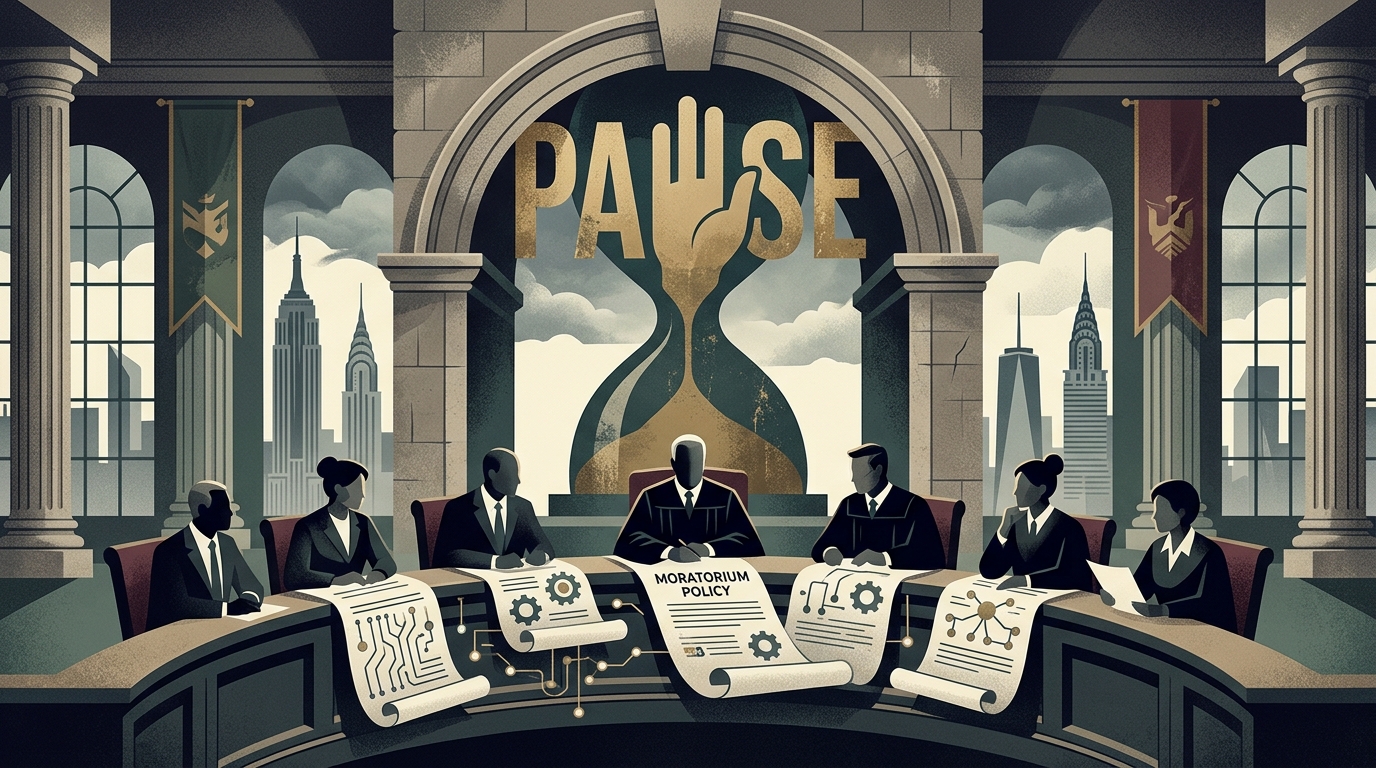
However, this opening of trade corridors occurs simultaneously with a tightening of strategic borders. The US Commerce Department’s decision to extend export controls to advanced AI models introduces a complex paradox. On one hand, we have the promise of reduced friction for Greek businesses engaging with American markets; on the other, we see the 'securitization' of the very algorithms that drive modern innovation. In my analysis, this represents a shift from globalization to 'bloc-based' innovation, where institutional trust becomes the primary currency.
The Hellenic Strategic Position
Greece’s ambition to become a tech hub is no longer a mere aspiration; it is a necessity for national resilience. The integration of the EU-US trade framework provides Greek startups with unprecedented access to capital and infrastructure. Yet, the shadow of export controls suggests that the 'open source' dream of the past decade is being replaced by a more guarded, sovereign approach to technology. We must ask: can a Mediterranean hub flourish if the most advanced tools are subject to the geopolitical whims of a distant superpower?
Governance is the art of creating stability within change. To succeed, the Hellenic AI strategy must mirror the 'French School of Ethical AI'—focusing on responsible, transparent implementation that prioritizes democratic values over raw computational power.
The lesson for Greek policymakers is clear. We cannot merely be consumers of foreign models. To maintain sovereignty within this new trade agreement, Greece must invest in 'Ethical Infrastructure.' By aligning with the broader European push for AI regulation that protects creative works—as seen in the recent Dutch movements—Greece can position itself as a safe harbor for responsible AI development. This is the only way to avoid the 'AI Regret' currently plaguing corporations that rushed into automation without a human-centric framework.
Conclusion: The Law of the Digital Polis
As Solon once sought to balance the interests of the various classes in Athens to prevent social collapse, modern governance must balance the interests of innovation, security, and labor. The July 1st agreement is a tool, not a solution. The true challenge lies in ensuring that the influx of American technology does not lead to a new form of digital dependency, but rather serves as a catalyst for a distinctively European, and specifically Hellenic, technological renaissance.