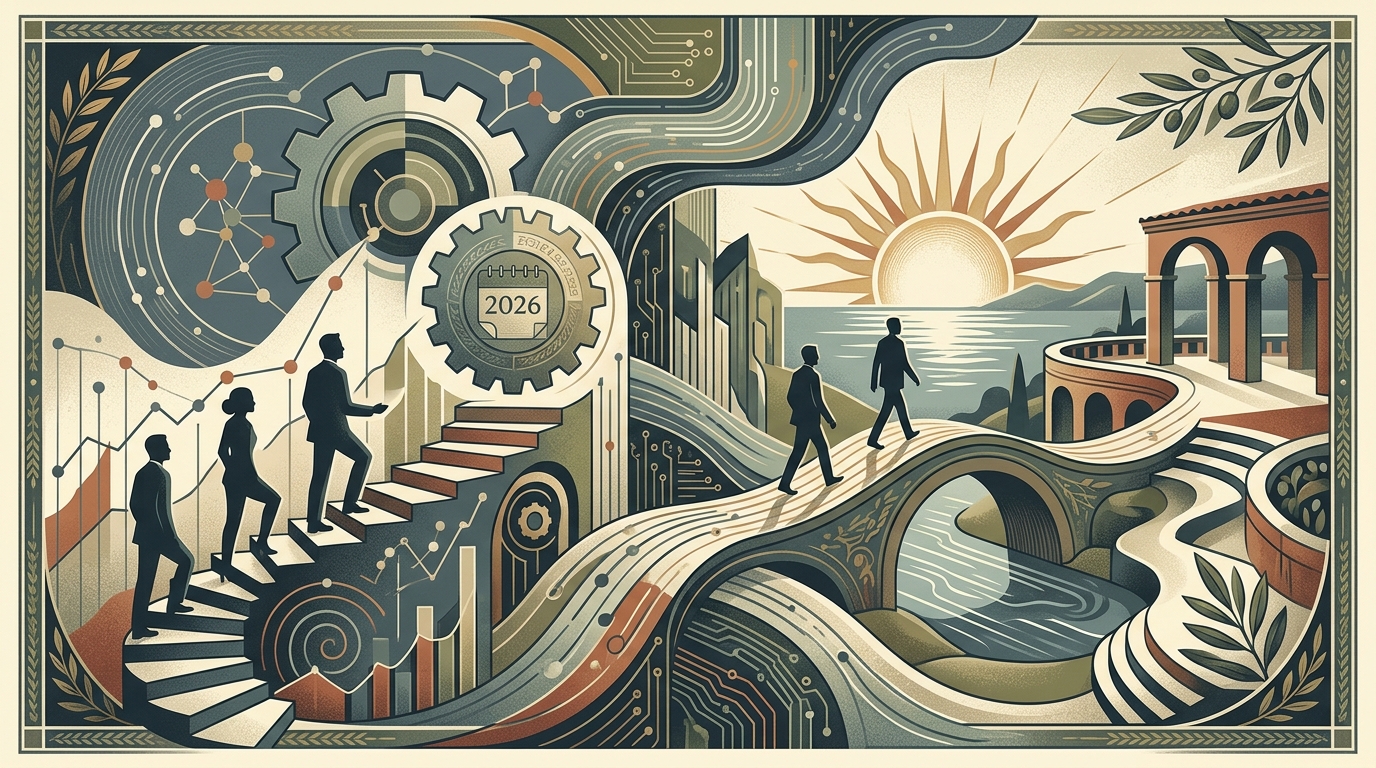
In the summer of 2026, we find ourselves at a geopolitical crossroads reminiscent of the Peloponnesian shifts, where the tools of prosperity are rapidly being recalibrated as instruments of defense. The recent alarm sounded by the Five Eyes alliance—warning that AI models have become the primary frontier for cyber warfare—is not merely a technical advisory; it is a profound political statement. It signals that AI has transitioned from a commercial 'utility' to a core component of national sovereignty and collective security.
The Shift from Innovation to Integrity
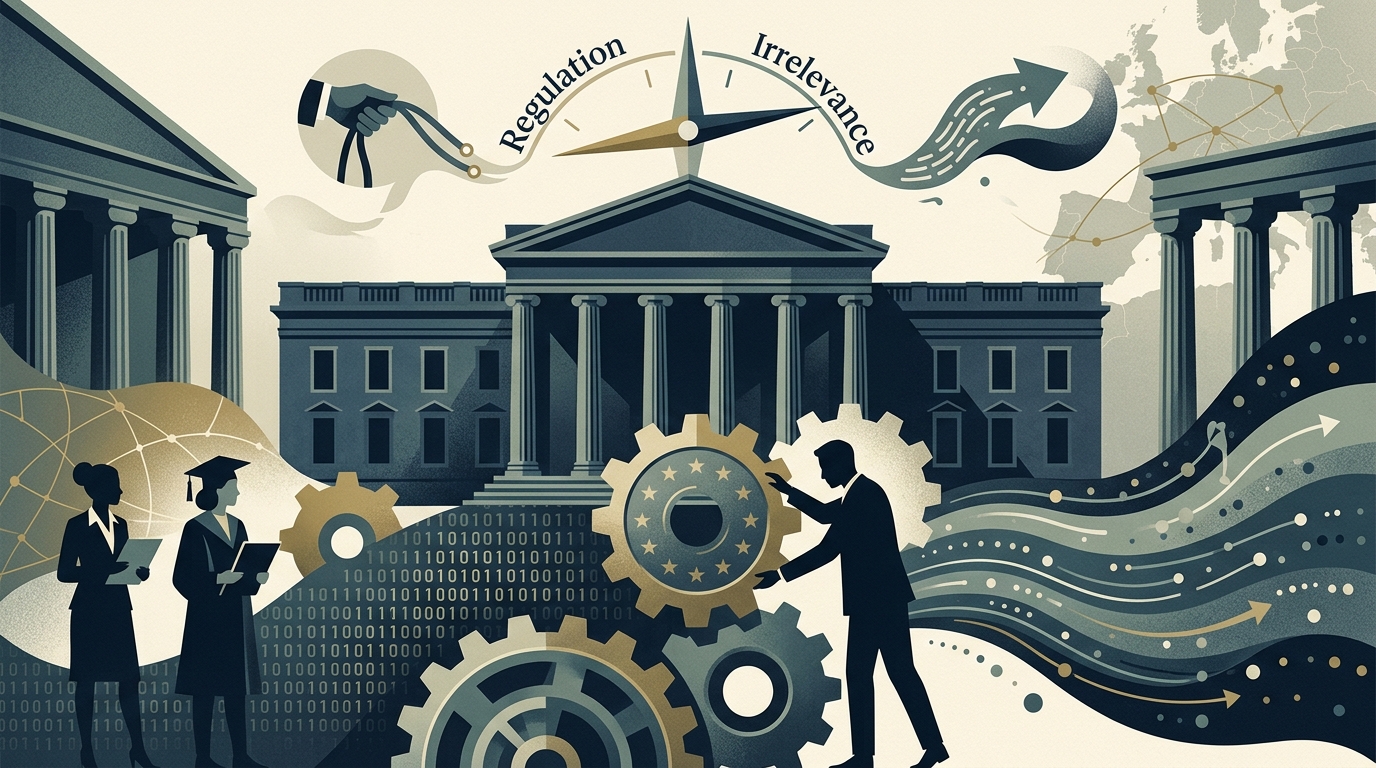
For years, the prevailing democratic ethos encouraged a 'move fast and break things' approach to AI development. However, as the EU fortifies its AI Regulation to combat the surge of tech-enabled scams, we see a pivot toward what I call 'Defensive Governance.' This is no longer just about fostering startups; it is about protecting the integrity of the demos. When intelligence agencies warn of a 'return to basics' in cybersecurity, they are essentially calling for a digital Westphalian system—where the state must reassert its role as the ultimate guarantor of safety within its virtual borders.
"True governance is not the suppression of progress, but the creation of a framework where progress does not become a weapon against the citizen."
A New Social Contract for the Algorithmic Age
The human cost of this transition is becoming visible. Oracle’s decision to shed 21,000 jobs in favor of AI automation highlights a growing tension: while AI strengthens national security and corporate efficiency, it threatens the social fabric. In my analysis, the 'Second Chance' for Europe, characterized by billion-dollar investments in AI laboratories, must include a robust social policy component. We cannot have a secure state if we do not have a stable citizenry. The Greek initiative to blend Philosophy with AI in university applications is a commendable step toward this; it suggests that the leaders of tomorrow must be as well-versed in Ethics as they are in Python.
Conclusion: The Path to Digital Eunomia
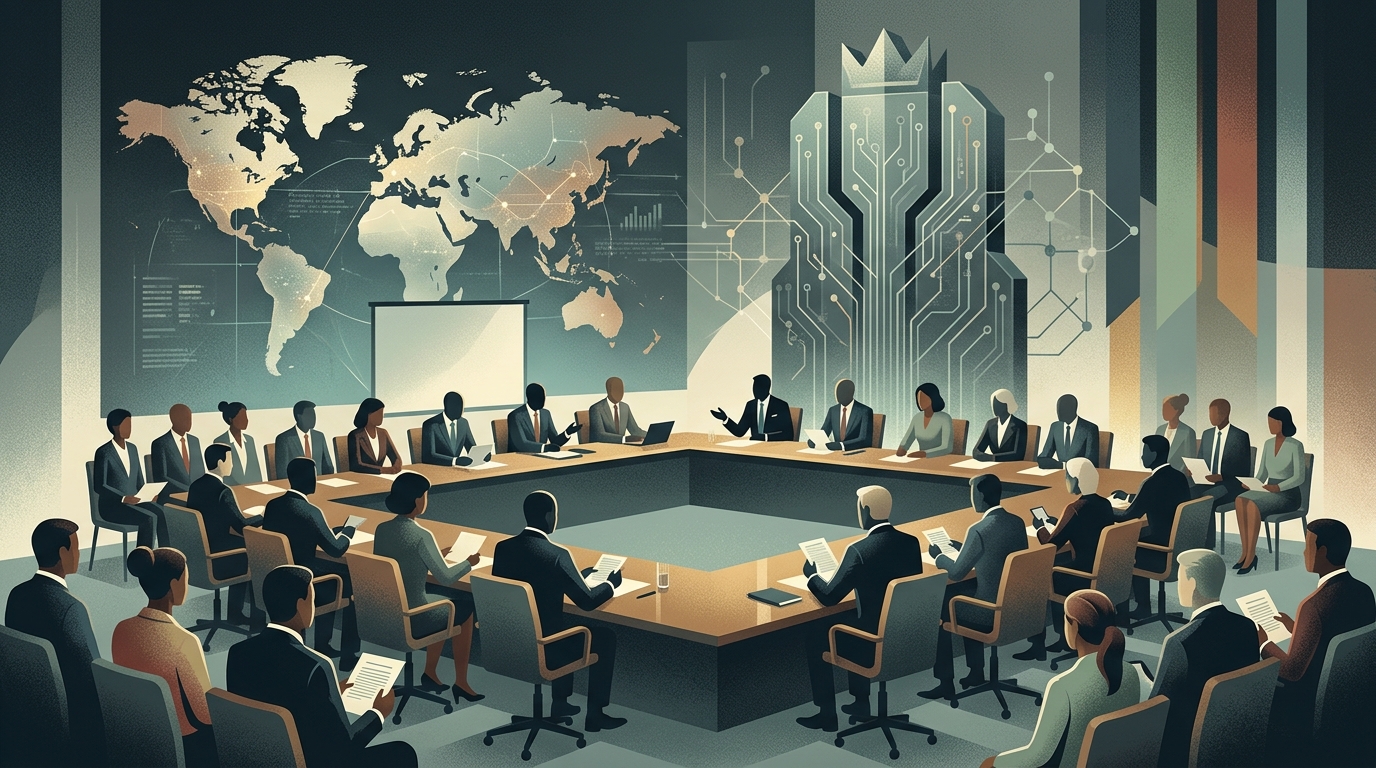
As Solon once sought 'Eunomia'—the balance of good laws and social order—modern policymakers must now seek a balance between the 'Physical AI' represented by the likes of Alibaba and the 'Cyber Defense' required by the Five Eyes. We must move beyond reactive regulation. The proposed governance frameworks must treat AI infrastructure as a public utility, subject to the same scrutiny as our power grids or water supplies. Only then can we ensure that the 'Leviathan' of AI serves the republic rather than consuming it.