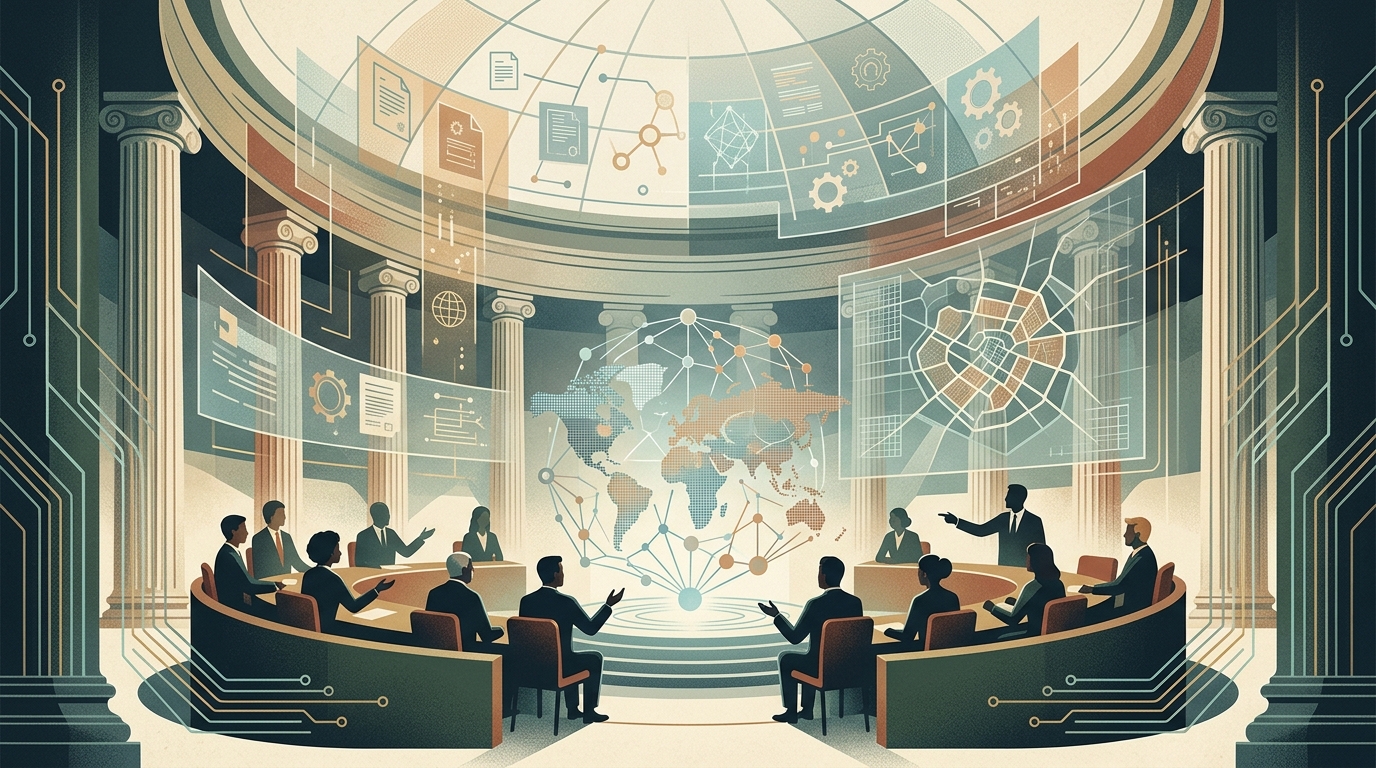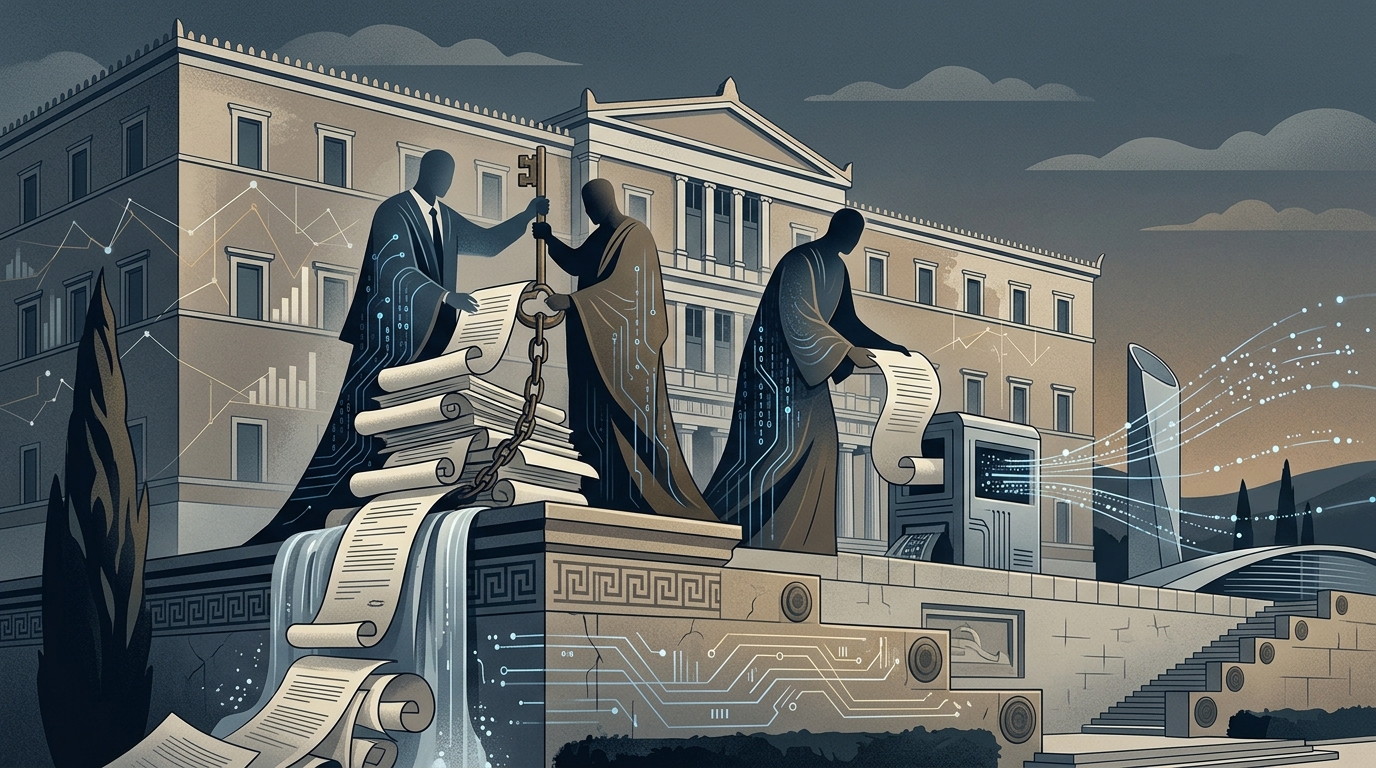
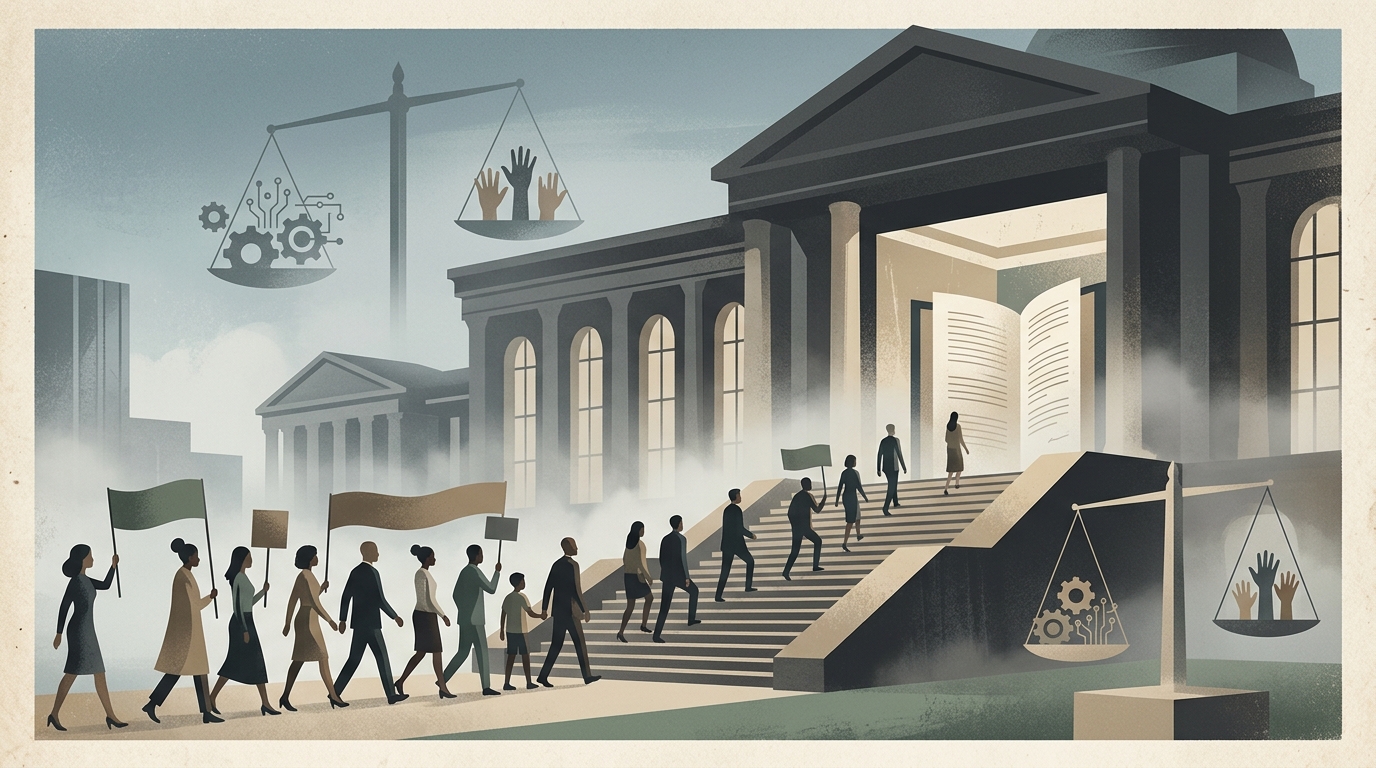
In the early summer of 2026, we find ourselves at a historical crossroads reminiscent of the social upheavals that necessitated the reforms of ancient Athens. The 'Great Labor Counter-Strike of 2026' is not merely a dispute over wages or hours; it is a fundamental challenge to the legitimacy of the current technological order. As political analysts, we must look beyond the picket lines to the underlying erosion of the social contract. When the Commonwealth Bank of Australia sounds the alarm on 'work slop' and surging costs, and community health workers express a profound 'trust gap,' the message to policymakers is clear: the benefits of the AI revolution are perceived as dangerously concentrated.
The Crisis of Legitimacy and the Trust Gap
The current unrest stems from a perceived decoupling of productivity and human welfare. In my analysis, the 'Trust Gap' identified in the healthcare sector is a microcosm of a broader geopolitical and domestic instability. When workers feel that AI is not a tool for their empowerment but a mechanism for their displacement, the democratic foundation of our institutions begins to fracture. Governance cannot remain neutral in this transition. We are witnessing the birth of a new form of class struggle, where the ownership of data and the control of algorithmic decision-making have become the new 'means of production.' To ignore the CBA’s warnings about 'work slop'—the degradation of quality through unmonitored automation—is to risk a systemic collapse of professional standards and public trust.
The Greek Paradigm: Education as a Democratic Safeguard
However, amidst these tensions, there are models of constructive governance. The recent emergence of the 'AI Hub' in Greece offers a compelling alternative to the narrative of displacement. By focusing on practical AI education, Greece is attempting to democratize expertise. This is, in essence, a modern Seisachtheia—a shaking off of the burdens of technological obsolescence. Governance frameworks must prioritize this 'Practical AI Education' as a fundamental right. If the state provides the infrastructure for reskilling, the 'Labor Counter-Strike' can be transformed from a destructive conflict into a negotiation for a more equitable distribution of the 'AI dividend.'
"True governance is not the suppression of progress, but the harmonious integration of innovation into the fabric of the city-state."
In conclusion, the path forward requires a three-pillar institutional response. First, we must establish Algorithmic Accountability, ensuring that AI-driven labor decisions are transparent and contestable. Second, we must treat AI Literacy as a public utility, following the Greek example of national AI Hubs. Finally, we must explore Economic Rebalancing—perhaps a digital tax or an AI dividend—to ensure that the 'Golden Age' of AI does not become a Gilded Age for the few and a dark age for the many. The stability of our democracies depends on our ability to write this new social contract before the summer of 2026 turns into a winter of discontent.