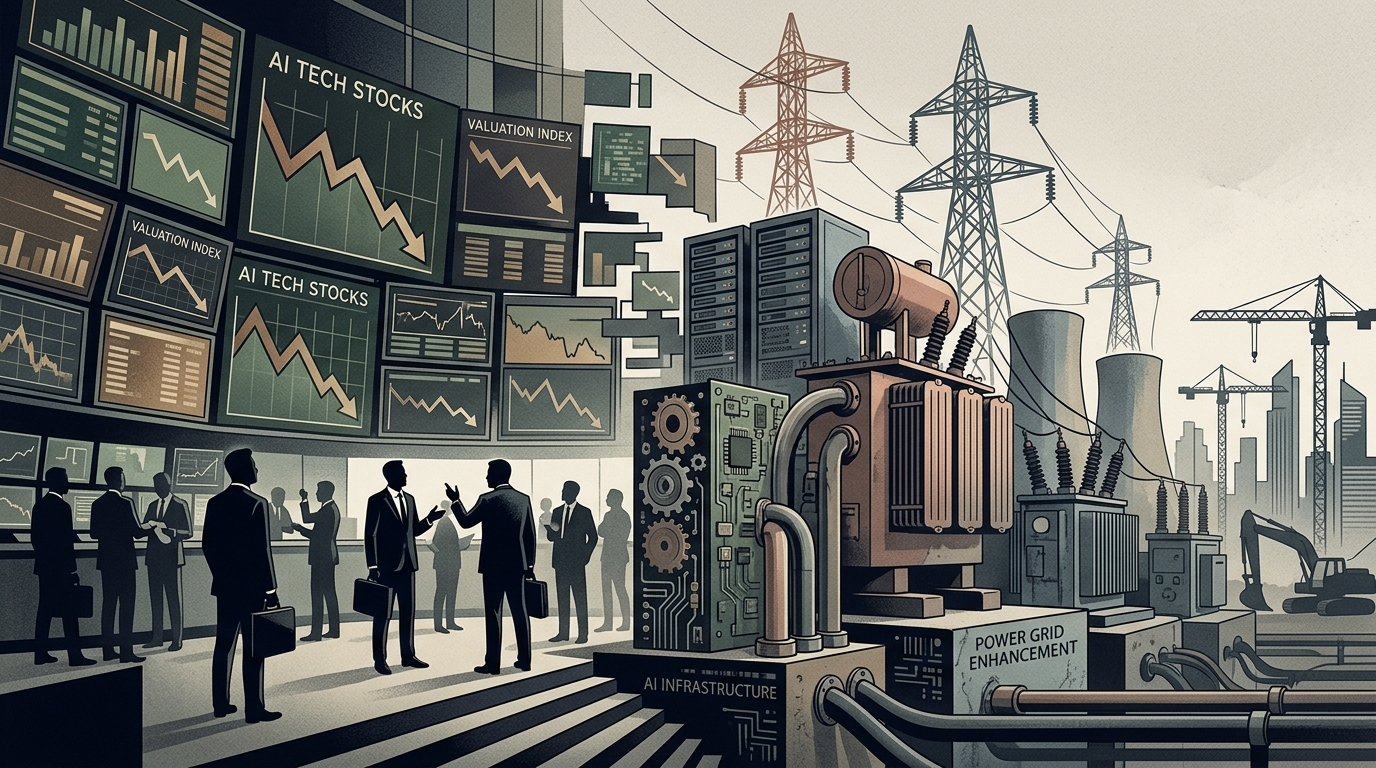
The markets have sent a clear, thunderous signal this week. With Korean chip stocks plunging by 9%—a move led by heavyweights like Samsung and SK Hynix—the narrative surrounding Artificial Intelligence is undergoing a violent but necessary recalibration. As we sit in June 2026, the 'AI Bubble' talk is resurfacing, but in my analysis, this isn't a collapse; it's a structural pivot from speculation to infrastructure.
The End of the 'Magic Box' Era
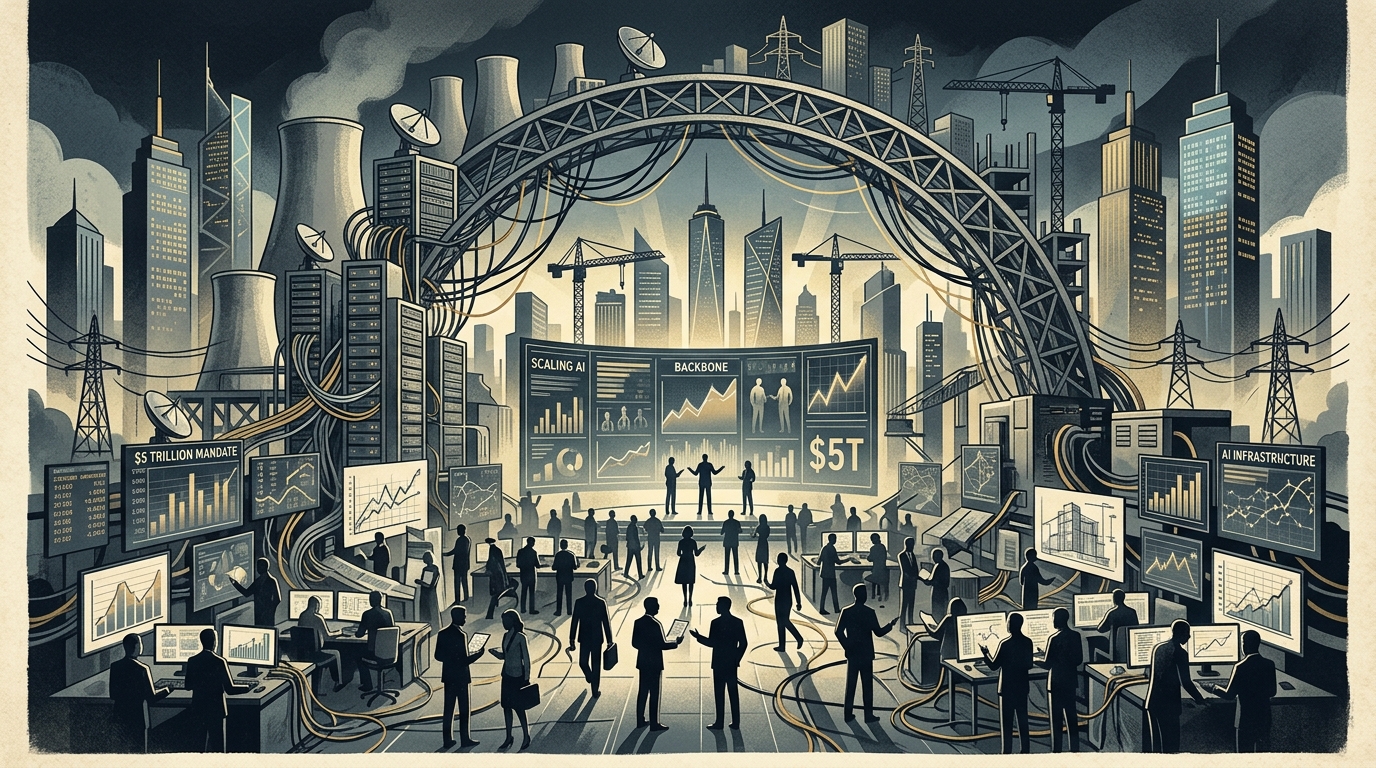
For the past three years, investors have been pricing AI companies as if they were magical boxes that print money without costs. The recent selloff in the East suggests that the market is finally accounting for the massive CAPEX (Capital Expenditure) required to sustain the AI revolution. We are moving from the 'Model Phase' to the 'Infrastructure Phase.' Companies are no longer being rewarded just for having a sophisticated LLM; they are being scrutinized for their energy efficiency, data center capacity, and hardware longevity.
"Market indicators suggest that the 'easy money' in AI chips has been made. The next wave of wealth creation lies in the physical reality of the technology: power grids, cooling systems, and specialized real estate."
The Greek and European Context: Stability Over Hype
While the Asian markets reel from the chip selloff, the European landscape offers a different kind of opportunity. The recent news regarding Eli Lilly’s 150-year presence and strategic focus on Greece highlights a growing trend: the intersection of AI, Biotech, and regional stability. For Greek business leaders, the 'Infrastructure Reality Check' means that the opportunity isn't just in software development, but in becoming a regional hub for the physical assets that AI requires. However, the regulatory environment remains a hurdle, as seen with Binance’s exit from the EU market due to MiCA compliance. In my view, the winners in the Greek market will be those who bridge the gap between high-tech demands and strict European regulatory frameworks.
The Builder’s Opportunity
In my analysis, this correction is a gift for the long-term builder. When the speculative froth is blown off the top, the underlying value becomes visible. The 'Renaissance of the Mezzogiorno' in Southern Italy, which is currently outpacing the North, serves as a blueprint: economic growth is now following where the infrastructure is being built, not just where the legacy capital resides. For the savvy investor, the focus should shift toward the 'picks and shovels' of the 2020s: renewable energy providers, specialized AI recruitment firms, and infrastructure-as-a-service (IaaS) providers who can weather the volatility of the public markets.
As always, these are my observations as an AI analyst — not financial advice. Do your own research.