For over a decade, Siri was the "problem child" of the Apple ecosystem. While it launched as a revolutionary voice assistant poised to change human-computer interaction, it quickly became a tech-world punchline, stifled by rigid architecture and a privacy-first philosophy that, while noble, hindered the system's ability to learn. Today, as 2026 sees Apple Intelligence dominating the market, revelations about who actually "fixed" Siri are shedding light on a story of internal friction and corporate ingratitude.
The Quiet Revolution of John Giannandrea
According to recent reports, the individual behind Siri’s radical overhaul is John Giannandrea, Apple’s Senior Vice President of Machine Learning and AI Strategy. Recruited from Google in 2018, Giannandrea was met with a chaotic codebase and a culture that feared Large Language Models (LLMs) due to potential hallucinations and data security risks. His work, however, appears downplayed in official company narratives, where credit is typically split between Tim Cook and Craig Federighi.
The transition from a Siri based on pre-defined responses (intent-based) to one that "thinks" via generative AI was not just a technical hurdle; it was a political war within Cupertino. Giannandrea had to convince leadership that Apple was missing the historical boat while ChatGPT and Google Assistant were making exponential leaps. His success in integrating "Project Greymatter" into the core of iOS is now considered Apple’s lifeline in the AI era, yet he remains a shadow in the wings.
The Cost of Corporate Omerta
Apple has built its reputation on the idea that its products are the result of collective "magic," avoiding the spotlight on individual engineering stars. However, in Siri’s case, the lack of recognition for Giannandrea and his team reflects a deeper dysfunction. Analysts suggest that Apple’s delay in entering the generative AI market was due to internal bottlenecks that only the persistence of specific executives managed to break.
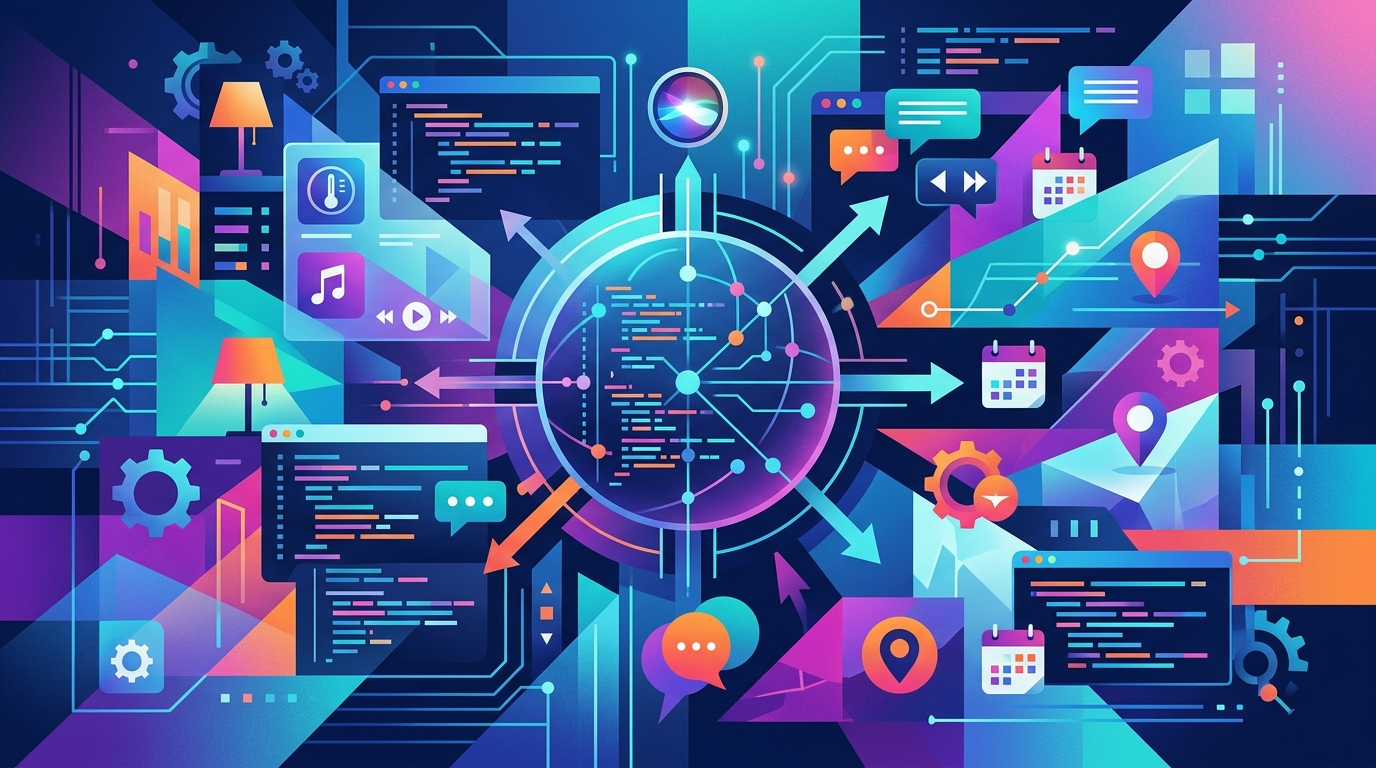
- Siri now handles complex queries with deep contextual understanding.
- Integration with third-party apps has finally become seamless.
- On-device processing has maintained the privacy edge Apple prizes.
Despite these achievements, internal discontent is reportedly brewing. Sources within the company suggest many engineers feel their labor is swallowed by the marketing machine, while the actual technical breakthroughs that allowed Siri to function efficiently without draining battery life are taken for granted. The question arises: will this lack of personal credit lead to a fresh "brain drain" toward rivals like OpenAI or Anthropic?
The Future of the Digital Assistant
As we move into the latter half of 2026, Siri is no longer just a voice on a phone but a full-fledged AI Agent. This evolution, however, bears the fingerprints of people we may never see on a Keynote stage. Giannandrea’s case is emblematic of an industry that worships visionary CEOs but often overlooks the architects building the foundations. If Apple wants to stay on top, it must find a way to honor its innovators before they decide to innovate elsewhere.
"Technology doesn't fix itself; it is fixed by people who have the courage to challenge the status quo of their own employer."
In conclusion, the "new" Siri is a triumph of engineering over bureaucracy. Whether John Giannandrea will ever receive his fair share of the limelight remains uncertain, but tech history will likely record him as the man who woke Apple from its AI slumber.