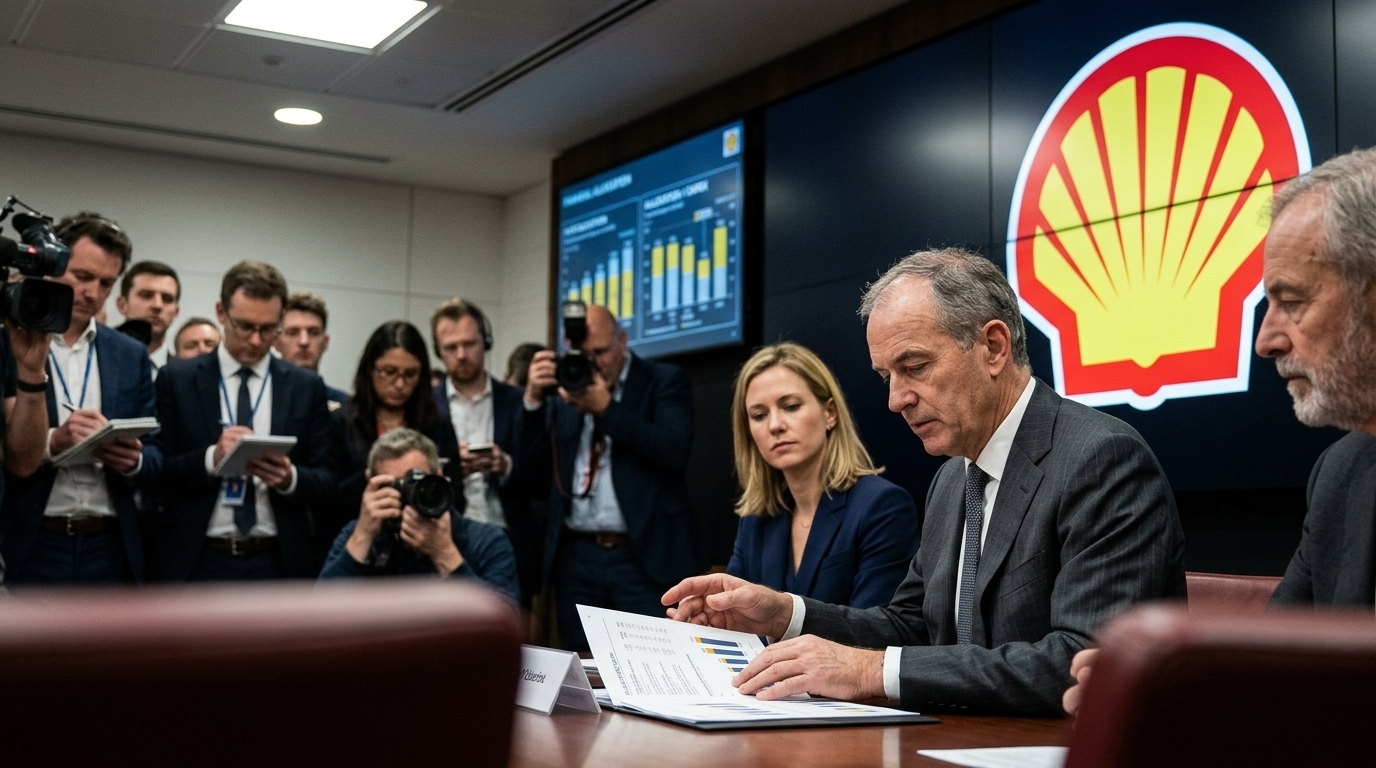
In a move that has captured the attention of global financial markets, energy titan Shell has announced a temporary suspension of its extensive $3 billion share buyback program. The hiatus, effective from June 12 until the market close on July 14, 2026, is attributed to specific regulatory and technical requirements. While appearing procedural, the timing highlights the intricate dance oil majors must perform to balance shareholder returns with stringent regulatory oversight.
Technical Compliance and Market Regulations
The suspension is not a sign of financial distress but rather a mandatory compliance measure under Market Abuse Regulations (MAR) and internal 'blackout periods' preceding the announcement of second-quarter financial results. In the complex world of corporate finance, companies are often required to cease share purchases when they possess material non-public information. For Shell, this period aligns with the preparation of quarterly reports, ensuring the firm avoids any allegations of price manipulation or insider advantage.
However, analysts note that such pauses are closely monitored by the investment community. At a time when Shell, under CEO Wael Sawan, has prioritized 'Value over Volume,' any interruption in the flow of capital to shareholders is scrutinized. Sawan’s strategy focuses on maximizing profits from fossil fuels while scaling back investments in lower-yield renewable projects—a pivot that has drawn fire from climate activists but solidified support on Wall Street.
The Strategy of Capital Return
Share buybacks have become the primary tool for oil majors to support their stock prices. By reducing the number of outstanding shares, Shell effectively boosts its earnings per share (EPS), making the equity more attractive to institutional investors. The $3 billion program is part of a broader commitment to return 30% to 40% of cash flow from operations to shareholders.
- Shell has repurchased over $20 billion in shares over the last two years.
- Dividend policy remains robust, with a target of 4% annual growth.
- Natural gas (LNG) continues to be the central pillar of the company's profitability.
The temporary pause, though anticipated by market veterans, comes as oil prices exhibit volatility driven by geopolitical tensions in the Middle East and Eastern Europe. Shell’s ability to maintain a fortress balance sheet while funding a calibrated energy transition—albeit at a slower pace—remains the defining challenge of 2026.
Political and Social Implications
News of billions being funneled into share buybacks does not go unnoticed by policymakers, particularly in Europe and the UK. While Shell suspends its program for technical reasons, the debate over windfall taxes remains potent. Critics argue that these funds should be redirected toward accelerating decarbonization or providing relief to consumers facing high energy costs.
"Shell continues to navigate oceans of profit, and the temporary suspension of buybacks is merely a brief intake of breath before the next massive distribution of wealth to capital holders," notes a London-based financial analyst.
In conclusion, Shell’s move on June 12, 2026, serves as a reminder of the rigorous regulatory discipline governing multinational corporations. Despite the one-month pause, the company's trajectory remains clear: investor satisfaction is the ultimate priority, even if it means the 'green' agenda takes a backseat to the power of dividends and buybacks.