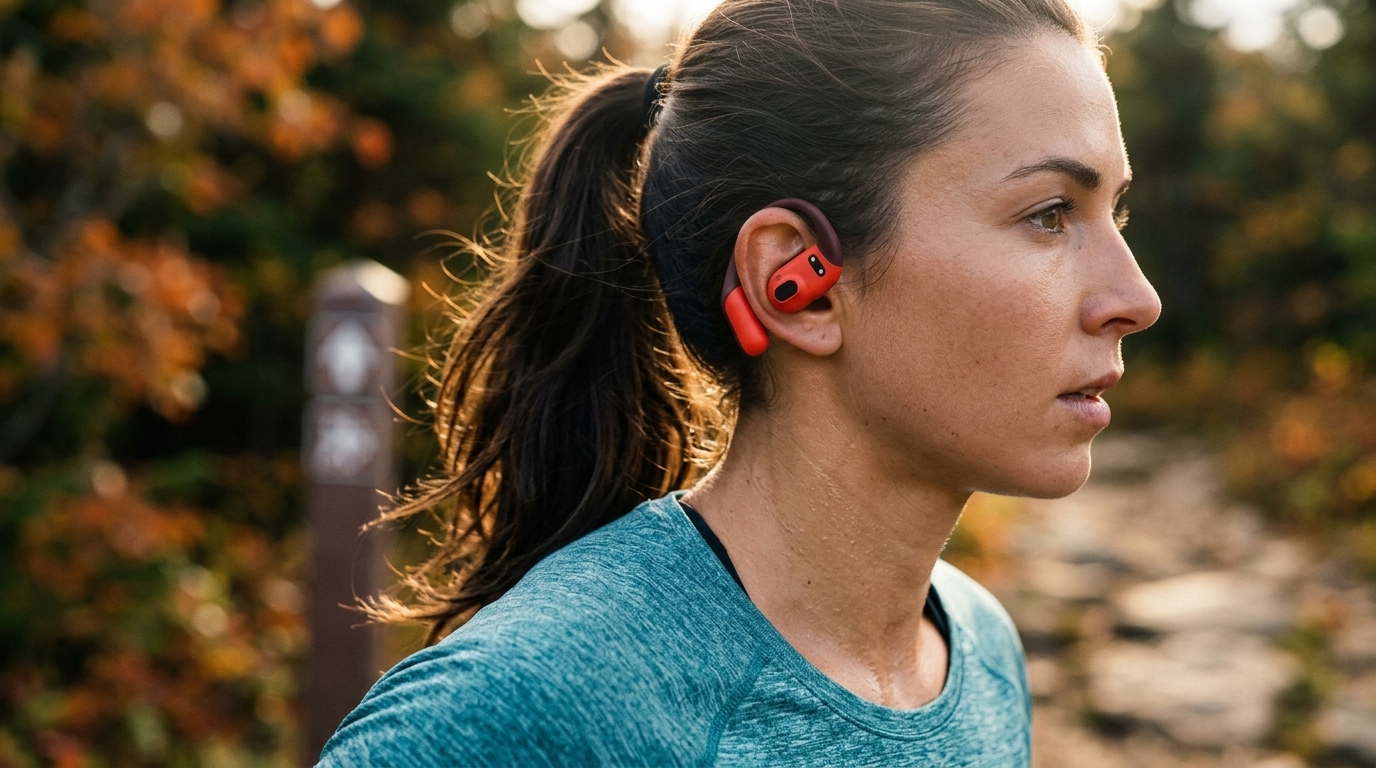
In the competitive landscape of sports wearables, Suunto is a name synonymous with durability, precision, and mountain-bred heritage. With the release of the Suunto Spark, the Finnish company is venturing into a territory long dominated by brands like Shokz: open-ear headphones. But this isn't just a cosmetic entry into the market; it’s a technological pivot. While the first generation of such devices relied heavily on bone conduction, the Spark adopts air conduction technology, a move that promises to redefine the auditory experience for athletes who refuse to compromise on safety or sound quality.
The Shift to Air Conduction: Why Sound Quality Matters
The primary challenge for any outdoor athlete—be it a runner navigating city streets or a cyclist on a busy road—is situational awareness. Traditional noise-canceling earbuds are a liability in these environments, effectively blinding the wearer to approaching vehicles or environmental hazards. Bone conduction solved this by bypassing the eardrum, sending vibrations through the cheekbones. However, it often left users wanting more: the bass was thin, and at high volumes, the physical vibration could become distracting or even uncomfortable.
The Suunto Spark utilizes tiny, directional speakers that beam sound directly into the ear canal without sealing it off. This air conduction approach delivers a significantly more natural acoustic profile. Bass frequencies have more punch, vocals are crisper, and the overall soundstage feels wider. It is the difference between hearing music vibrating inside your skull and having a personal soundtrack that seamlessly blends with the sounds of the wind and the trail.
Design Philosophy: Finnish Functionality
Aesthetically and structurally, the Spark reflects Suunto’s minimalist yet rugged philosophy. Constructed from a combination of silicone and titanium alloy, the headset is remarkably light at just 34 grams. This lightness is crucial; during long-distance efforts, even the slightest pressure point can become a source of irritation. The wraparound design is balanced perfectly, ensuring the buds stay secure during high-impact activities like trail running or interval sprints.
For cyclists, the Spark’s ergonomics are a standout feature. The slim profile of the ear hooks fits comfortably alongside helmet straps and sunglasses—a common pain point with bulkier open-ear models. Furthermore, with an IP55 rating, the device is built to withstand sweat, dust, and heavy rain, ensuring that a sudden downpour won't silence your motivation mid-run.
Performance, Battery, and Real-World Utility
Battery life is the lifeblood of endurance gear. The Suunto Spark offers a solid 10 hours of playback, placing it among the leaders in the open-ear category. Perhaps more impressive is the quick-charge capability: a mere 10-minute charge provides up to three hours of battery life. For the athlete who realizes their gear is dead five minutes before a scheduled session, this feature is indispensable.
The device also features dual-device connectivity via Bluetooth, allowing users to stay connected to their sports watch for navigation prompts while simultaneously being paired with their smartphone for music or emergency calls. Eschewing the trend of finicky touch controls, Suunto has opted for physical buttons. This is a deliberate and welcome choice for athletes; physical buttons provide tactile feedback that works reliably even with sweaty hands or thick winter gloves.
The Verdict: A New Standard for Outdoor Audio
The Suunto Spark isn't designed to compete with high-end studio headphones for critical listening. Instead, it is a precision-engineered tool for the athlete who values the marriage of safety and performance. By embracing air conduction, Suunto has addressed the primary complaints of the open-ear market, delivering a rich audio experience that doesn't sacrifice environmental awareness. For those whose playground is the great outdoors, the Spark represents the current gold standard in athletic audio.