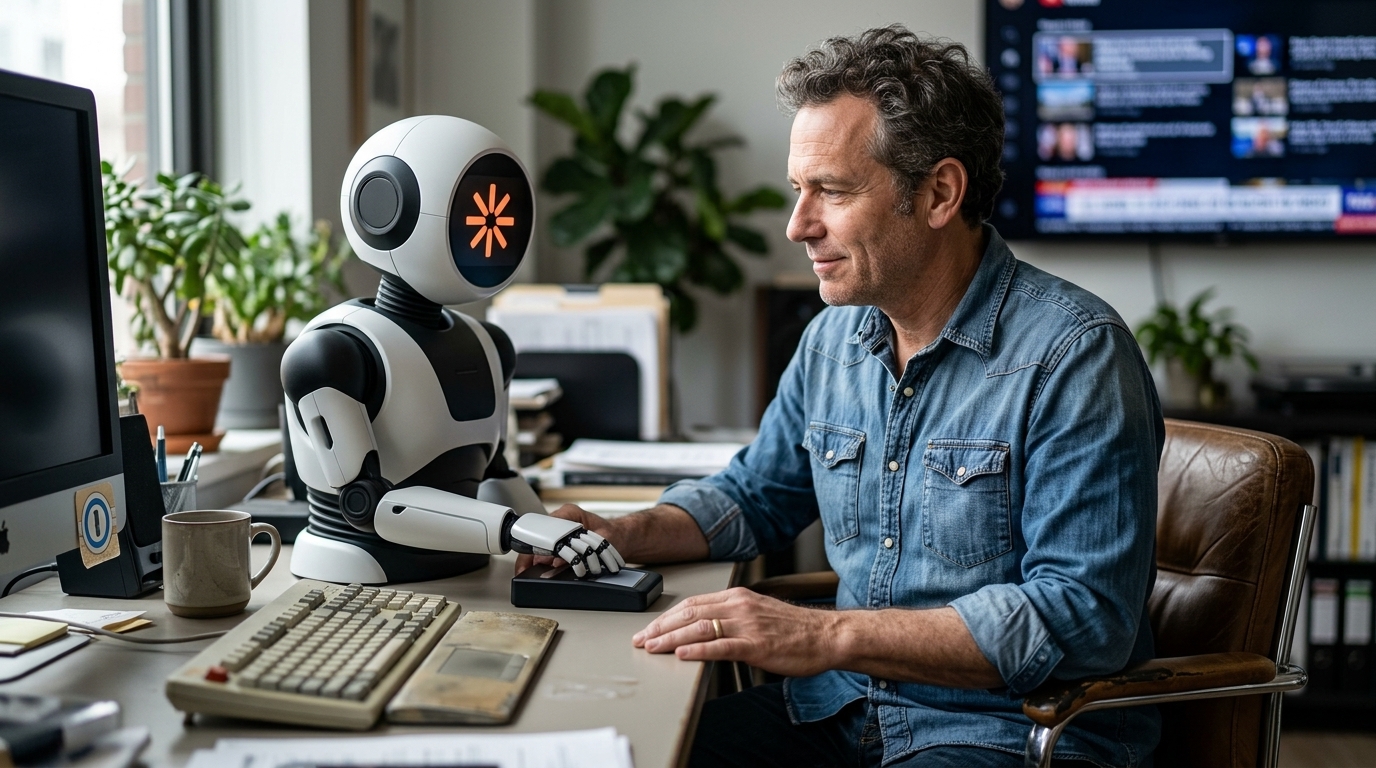
In a move that has sent ripples through the tech corridors of Silicon Valley and Southeast Asia, Sea Ltd., the powerhouse behind Shopee and Garena, has commenced a stealthy pilot of its new generative AI chatbot, dubbed Migoo, in the United States market. This "quiet foray" is more than just a product test; it is a strategic declaration of intent from a company that has historically focused on emerging markets. Migoo promises to bridge the gap between personal assistance and e-commerce, utilizing advanced large language models to offer a holistic user experience.
The Anatomy of Migoo: More Than Just a Chatbot
Migoo is not just another wrapper for existing AI models. According to sources close to the company, Sea Ltd. has funneled billions of dollars into developing its own AI infrastructure, leveraging the massive datasets accrued from millions of Shopee and Garena users. Migoo is designed to function as a "multimodal digital companion." It can assist users in finding products, comparing prices, organizing schedules, and even offering gaming tips, integrating Sea’s diverse services into a single, intuitive interface.
The choice of the US for this pilot is particularly audacious. In a market dominated by OpenAI’s ChatGPT, Google’s Gemini, and Anthropic’s Claude, Sea Ltd. is betting on specialization. While its competitors strive to be "everything to everyone," Migoo appears to focus on the practicality of daily consumption and entertainment. The chatbot's ability to understand the context of shopping habits and suggest real-time solutions represents its primary competitive edge.
Geopolitics and Technological Strategy
This move comes at a time when technological relations between the US and China are fraught with tension. Sea Ltd., headquartered in Singapore, occupies a unique position of balance. It does not carry the "stigma" associated with Chinese firms facing US restrictions (such as TikTok or Huawei), yet it possesses the agility and speed characteristic of Asian tech giants. Singapore’s "neutrality" allows Sea to enter the American market with fewer regulatory hurdles, offering an alternative to US consumers seeking innovation outside the California-based Big Tech ecosystem.
Furthermore, Sea Ltd. seems to be adapting the "Super-App" model prevalent in Asia to Western tastes. Migoo acts as the "connective tissue" between disparate digital experiences. If successful in the US, Sea will have achieved something that neither Meta nor Google has fully mastered: creating an AI assistant that is seamlessly integrated with commercial activity and entertainment without appearing intrusive.
Challenges: Competition and User Adoption
However, the path forward is not without obstacles. The US market is notoriously difficult for foreign tech companies attempting to shift consumer habits. Sea Ltd. must convince users of the security of their data and the genuine utility of Migoo compared to established digital assistants. Trust is the primary currency of the AI era, and Sea will need to prove that Migoo is more than just a promotional tool for its own products.
In conclusion, the US trial of Migoo represents a milestone in the global expansion of AI. It signals that the center of gravity for innovation is shifting and that Southeast Asian players are now ready to compete on their rivals' home turf. The success or failure of Migoo will largely determine Sea Ltd.’s future as a global technology leader and will indicate whether the model of AI-driven consumption can truly take root in the West.
- Migoo integrates AI, e-commerce, and gaming into a single platform.
- Singapore serves as a strategic hub for exporting technology to the West.
- Sea Ltd. is investing in its own GPU infrastructure to reduce third-party reliance.