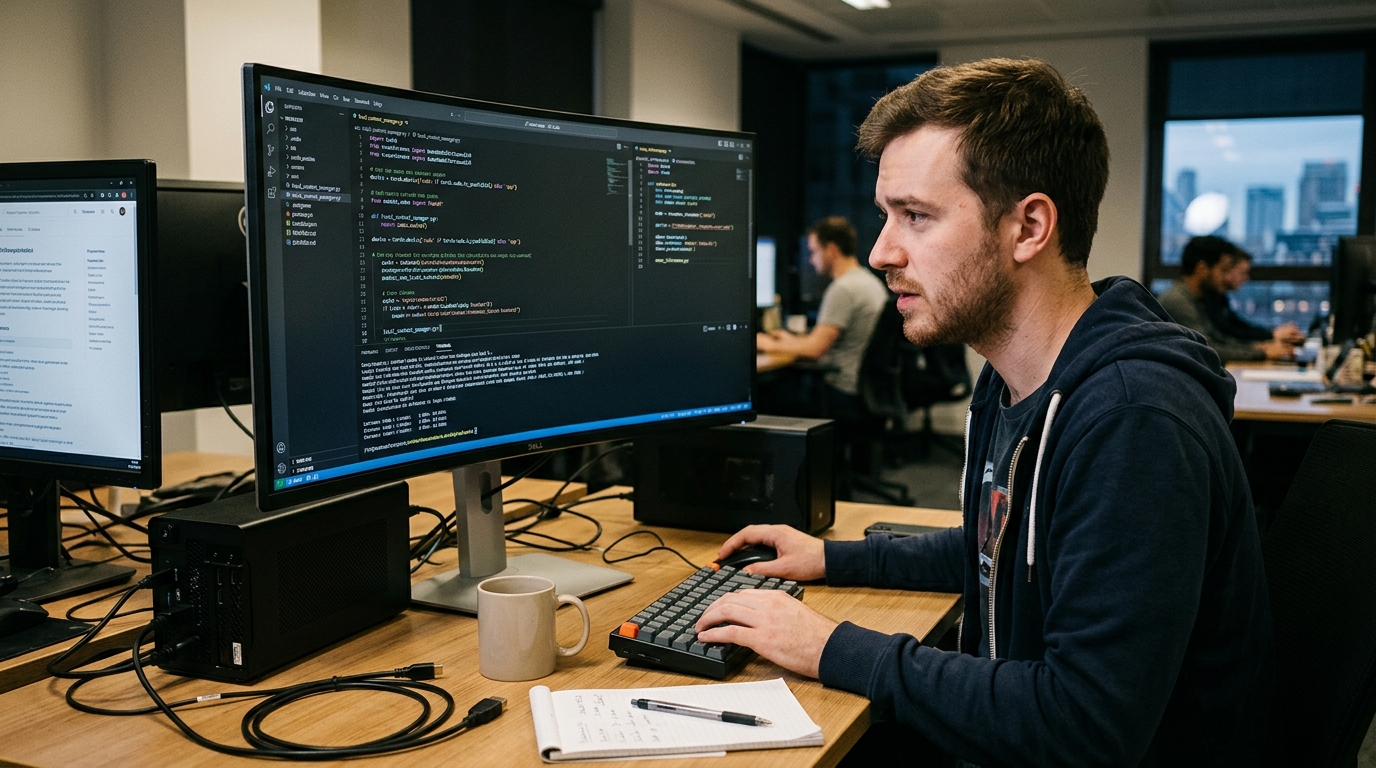
In a move that caught the tech community off guard, OpenAI, the titan behind ChatGPT, is preparing to cross the threshold into hardware. Through a cryptic teaser video on social media, the company revealed a collaboration with boutique design firm Work Louder, showcasing a device that appears to be the first physical companion for Codex—the AI model powering modern automated code completion.
The Return to Tactile Interaction
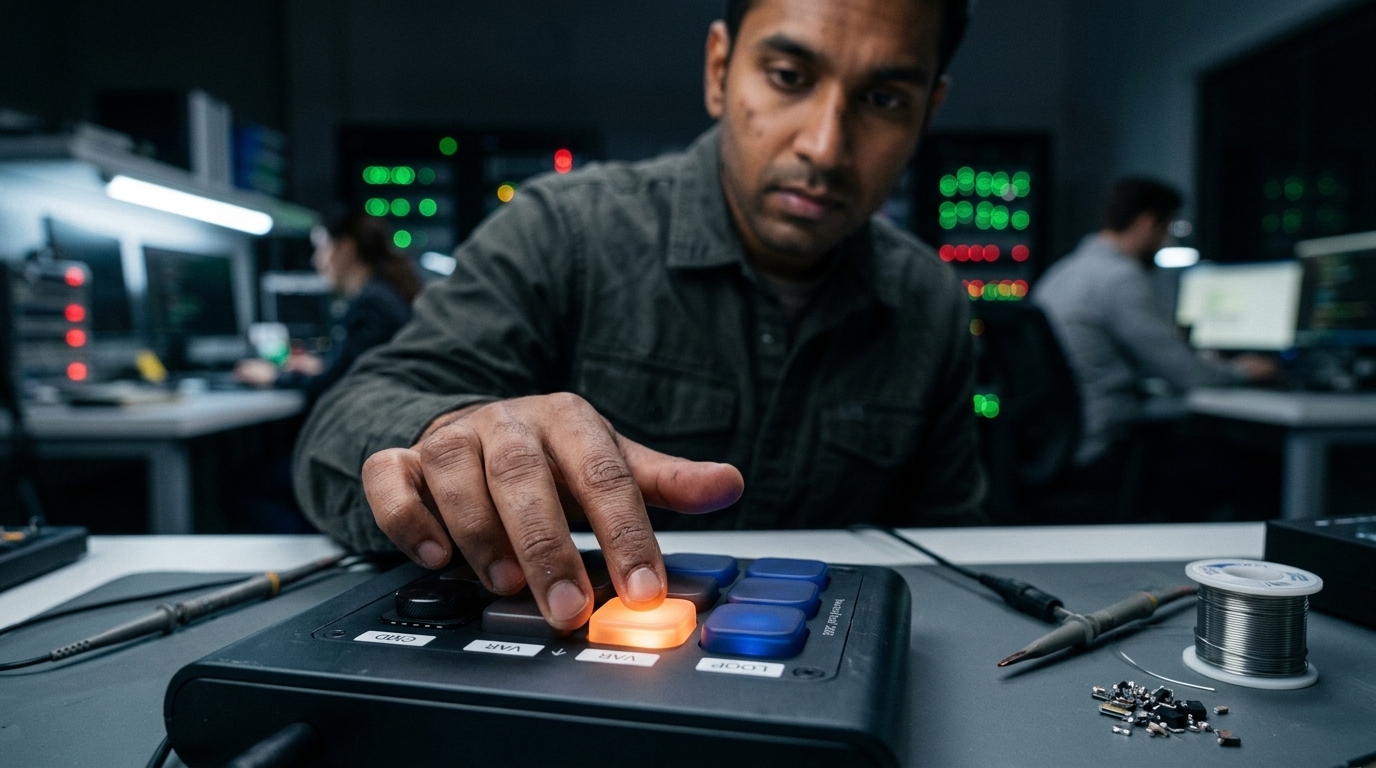
For years, the evolution of artificial intelligence has been confined to the screen. Prompts, dialogues, and lines of code were intangible. However, OpenAI's new device, slated for release on July 15th, suggests something different: a return to touch. It is a square-shaped macro pad, equipped with programmable keys and rotary encoders, specifically designed to optimize the workflow of developers utilizing Codex.
The choice of Work Louder as a partner is no accident. The company is well-regarded within the mechanical keyboard enthusiast community for its industrial, almost retro-futuristic aesthetic. This partnership indicates that OpenAI is not targeting a mass-market consumer device, but rather a high-aesthetic, high-functionality tool for professionals.
"Your favorite Codex shortcuts are getting an upgrade," OpenAI’s caption reads, implying that the device will allow for the immediate triggering of complex AI functions without the need to type out lengthy command prompts.
Why Hardware? The Strategy Behind the Product
Many wonder why a multi-billion dollar software company would bother manufacturing a keyboard. The answer lies in the concept of "workflow friction." Despite the power of Codex, switching between typing code and drafting prompts for the AI remains a cognitive load. A physical button that executes a specific function—such as "refactor code" or "generate unit tests"—minimizes this gap.
- Instant Access: The ability to map specific AI tasks to physical keys.
- Specialization: Creating an ecosystem where AI isn't just a browser tab, but a part of the physical workspace.
- Brand Loyalty: Having an object with the OpenAI logo sitting on a user's desk strengthens the brand connection.
The Legacy of Codex and the Future of Programming
Codex, which serves as the foundation for GitHub Copilot, has already transformed how software is written globally. According to recent studies, developers using AI assistants complete tasks up to 55% faster. The introduction of specialized hardware is an admission that AI has matured enough to require its own "control instruments."
However, this move is not without risk. Tech history is littered with failed attempts by software companies to enter hardware (e.g., the Facebook Phone or the Amazon Fire Phone). The difference here is that OpenAI isn't trying to replace an existing device, but rather add a new layer of control to an already successful service.
Competition and Market Dynamics
The macro pad and productivity controller market is currently dominated by players like Elgato with their Stream Deck. While the Stream Deck is already used by many developers for automation, native integration with Codex could give OpenAI a significant edge. The price of the device has not yet been announced, but judging by Work Louder's previous products, it is expected to fall in the premium category, likely between $150 and $250.
In conclusion, OpenAI's move signals a shift toward the "materialization" of AI. It is no longer just about what the model can do on the server, but how humans interact with it in the physical world. On July 15th, we will find out if this small box is the future of programming or just an expensive accessory for the few.