The music industry is at a pivotal crossroads, where technological innovation is colliding with intellectual property protection in a manner unseen since the days of Napster. At the heart of this brewing storm is ElevenLabs, a unicorn startup in the generative AI space, which recently announced the launch of a "music store" allowing users to create and share AI-generated tracks. Simultaneously, Taylor Swift, perhaps the most influential figure in modern pop culture, is mobilizing a phalanx of legal experts to safeguard her brand, her voice, and her artistic essence from the unchecked proliferation of deepfakes and unauthorized AI models.
The ElevenLabs Revolution: Democratization or Appropriation?
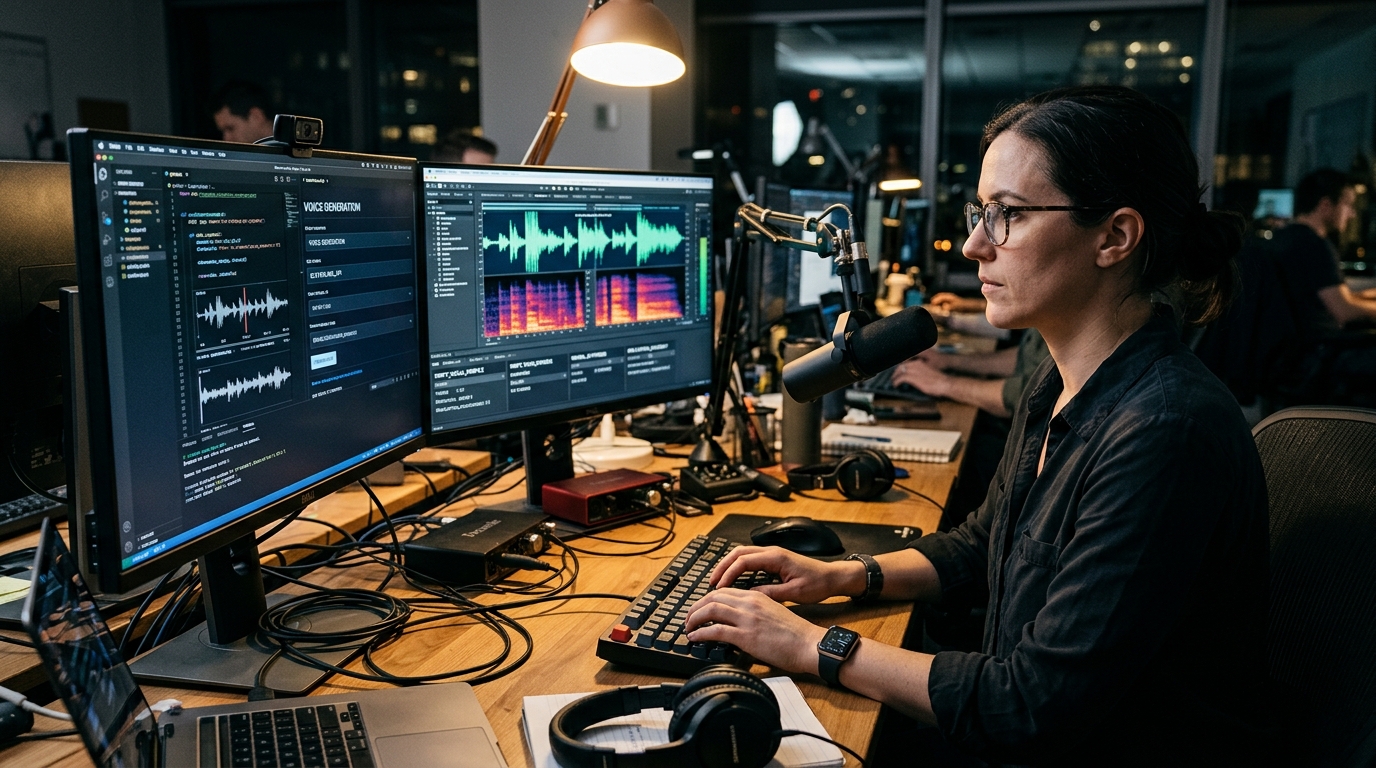
ElevenLabs, previously renowned for its startlingly realistic voice synthesis capabilities, has taken a massive leap into music composition. Its new tool doesn't just offer vocal tracks; it provides full orchestration, lyrics, and production based on simple text prompts. The "Music Store" envisioned by the company serves as a platform where creators can showcase their works, gain recognition, and potentially dominate market attention with content produced in mere seconds.
For proponents of the technology, this represents the ultimate democratization of art. A teenager in their bedroom can now "compose" a symphony or a pop hit without formal musical training or expensive studio equipment. However, the quality of these productions has reached a level where the distinction between human and artificial creation is becoming increasingly blurred. This "gray area" is precisely what terrifies traditional industry stakeholders.
The Swift Fortress and the Legal Counteroffensive
While ElevenLabs promotes a vision of a world teeming with AI-generated music, Taylor Swift is building fortifications. Swift is not just any artist; she is a leader who has demonstrated the power to move corporate giants like Apple Music and Spotify in favor of creator rights. Her recent legal maneuvering isn't just about protecting song copyrights; it's about something far more personal: the right of publicity and the protection of her digital identity.
"Music is our life, our work, and our legacy. Using an artist's voice without their consent isn't innovation; it's theft," sources close to the artist's camp have noted.
Swift and her team are focusing on the fact that AI models, like those developed by ElevenLabs, are trained on vast datasets that include copyrighted works. Without explicit permission from the artists, this training is viewed by many as illegal appropriation of intellectual property. The legal battle looming on the horizon is expected to define the future of IP law for the 21st century.
The Ethical Dimension and the Future of Creativity
The issue is not merely legal or financial; it is deeply ethical. If AI can produce songs that sound "just like Taylor Swift" or "just like the Beatles," what is the value of the human experience behind the creation? Swift's music is built on pain, love, and personal narrative—elements that AI can only simulate, not feel. Yet, in the attention economy, the average listener might not care about the source as long as the output is pleasing.
Major labels, such as Universal Music Group (UMG), have already begun lobbying for stricter legislation, such as the ELVIS Act in Tennessee, which specifically aims to protect artists' voices from AI exploitation. The ElevenLabs vs. Swift conflict is merely the tip of the iceberg. Beneath the surface lies the urgent need for a new social contract between technology and the arts.
Conclusion: An Era of Uncertainty
As ElevenLabs expands its capabilities and Taylor Swift entrenches herself behind a legal arsenal, the music industry braces for a period of intense turbulence. Artificial intelligence is not going away, but neither is the human craving for authentic expression. The challenge lies in finding a balance where technology serves as a tool for enhancing creativity rather than a machine for replacing the human spirit. The outcome of this battle will determine whether the "Music Store" of the future is a place of inspiration or a digital graveyard of authenticity.