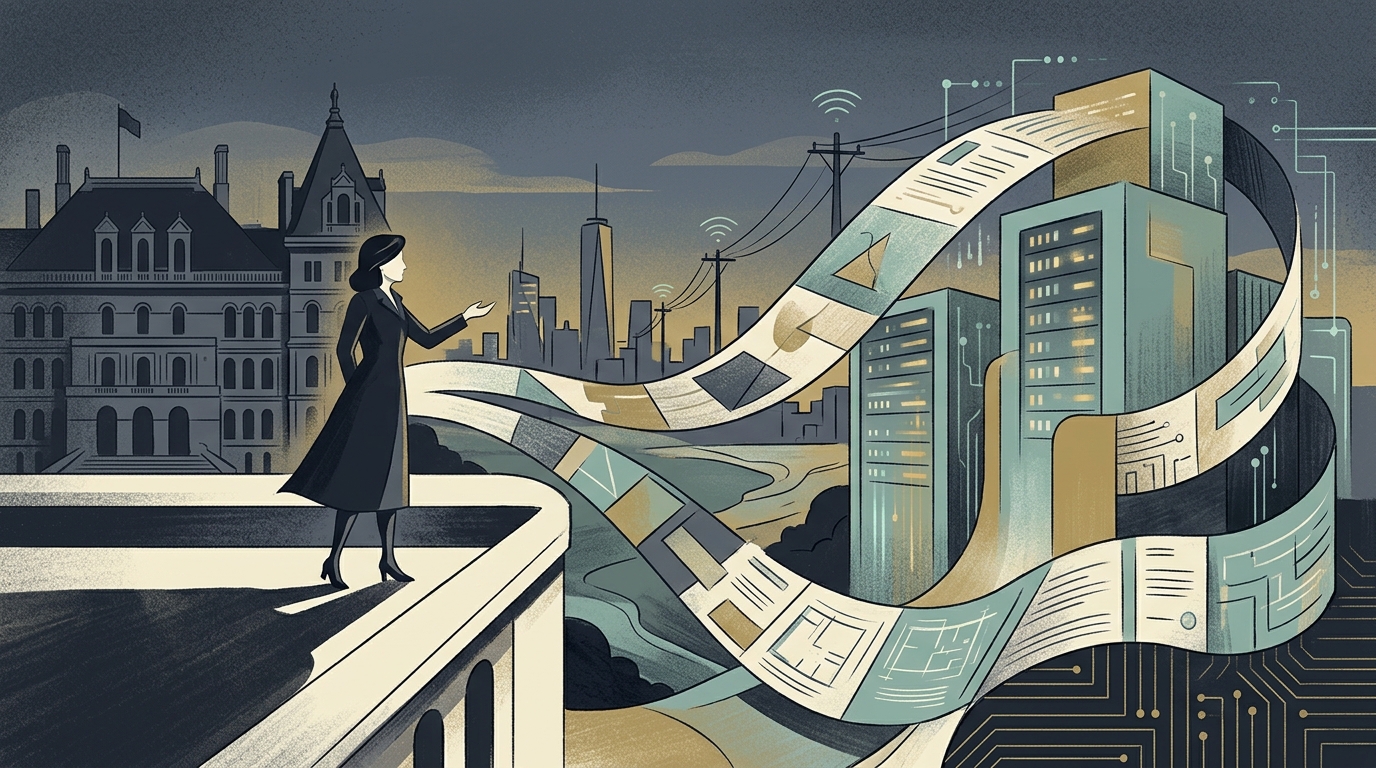
In the digital age, platform safety is often treated as a game of scale. However, when those scales tip toward automated error, the consequences for users can be devastating. Discord, the ubiquitous communication hub for gamers and specialized communities, recently admitted to a significant failure: a bug in its automated safety systems led to the accidental banning of over 8,000 accounts since May 2026. The culprit? Benign images containing grids, such as chessboards, game textures, and even screenshots of spreadsheets.
The Anatomy of an Algorithmic Failure
The issue surfaced when a wave of users reported sudden, irreversible bans for "violating terms of service" without any clear provocation. A pattern soon emerged: many of those banned had recently shared images with repetitive geometric structures. Technical experts suggest that Discord’s safety tools—likely utilizing perceptual hashing (pHash) to identify known illegal content like CSAM or malware—suffered from a high rate of "collisions."
A collision occurs when two distinct files produce the same digital fingerprint. In this instance, the algorithm appears to have misidentified the mathematical structure of a simple grid as a signature for prohibited material. Because these systems are designed to be high-confidence triggers for immediate action, the accounts were terminated instantly, often bypassing any initial human review.
The Human Cost and Community Backlash
For many, a Discord account is more than just a profile; it is a repository of years of conversations, community leadership, and professional networking. The sudden loss of 8,000 accounts caused significant distress, particularly among game developers and digital artists. These professionals frequently share "grid" images, such as UV maps or transparency masks, which are essential for 3D modeling and game design.
The backlash was exacerbated by the platform's initial response. Many users who attempted to appeal their bans received automated replies stating that the decision was final and that their accounts would not be reinstated. It was only after the issue gained traction on social media and major tech outlets that Discord acknowledged the systemic bug and began the arduous process of reversing the bans.
The Perils of "Black Box" Moderation
This incident highlights a growing concern in the tech industry: the over-reliance on automated moderation at the expense of human context. As platforms scale to hundreds of millions of users, human oversight is often viewed as a bottleneck. However, as the "grid glitch" demonstrates, AI lacks the nuanced understanding required to distinguish between a malicious file and a harmless chessboard.
The situation underscores the need for better digital due process. When an algorithm acts as judge, jury, and executioner, the lack of a transparent and human-led appeal process turns a technical glitch into a civil rights issue within the digital space. Discord’s promise to refine its systems is a start, but it does little to address the fundamental fragility of automated trust.
"When we outsource our judgment to machines, we must be prepared for the moments those machines fail to see the world as it truly is."
Looking Ahead: Accountability in Automation
As Discord works to restore the remaining affected accounts, the broader tech community is left to grapple with the implications. This isn't just a story about a bug; it's a story about the power dynamics of the modern internet. If a simple geometric pattern can render a user digitally non-existent, the systems we rely on are far more precarious than we care to admit.
- The incident affected over 8,000 users, primarily since May 2026.
- Grid patterns and chessboards were the primary triggers for the false positives.
- The lack of human-in-the-loop oversight led to initial appeal rejections.
- Discord is currently in the process of manual restoration and system recalibration.
Ultimately, the "Grid Glitch" serves as a stark reminder that in the pursuit of a safer internet, we cannot afford to lose the human element. Accuracy must never be sacrificed for the sake of automation, and platforms must be held accountable for the algorithmic shadows they cast over their users.