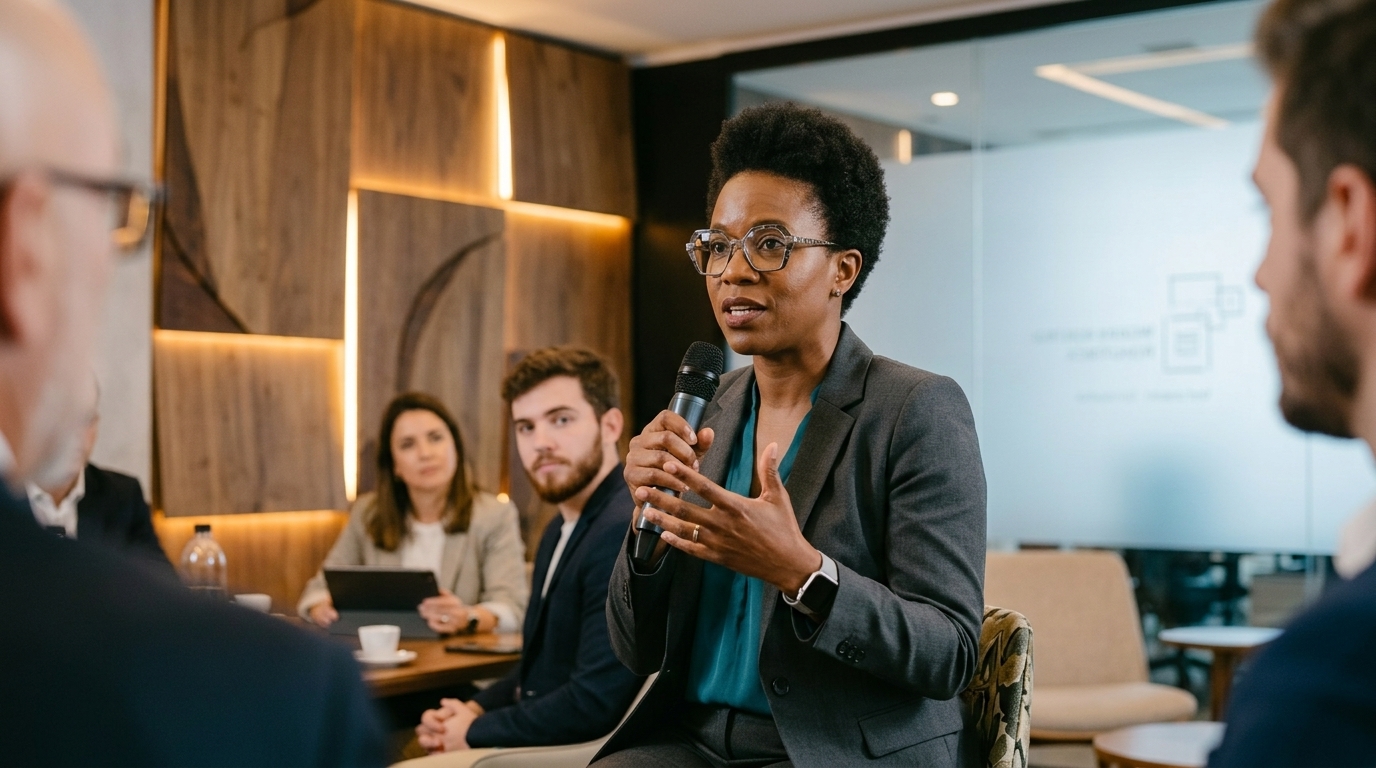
In an era where Artificial Intelligence is no longer a futuristic promise but the daily operational backbone of global enterprises, the prevailing question is no longer "what can AI do," but "what is left for humans." At the Workplace Innovation Roundtable 2026 organized by Fortune Greece, Dimitris Koutsopoulos, CEO of Deloitte Greece, provided a powerful answer while presenting the findings of the global "Human Capital Trends 2026" report. The central conclusion is paradoxical yet hopeful: the more work becomes automated, the more the value of uniquely human characteristics increases.
From Technical Skills to Human Capabilities
For decades, the labor market focused on the acquisition of specific technical skills (hard skills). However, in 2026, the speed at which Generative AI learns and executes technical tasks has rendered many of these skills disposable. Mr. Koutsopoulos highlighted that Deloitte's research shows a decisive shift toward "human capabilities." These are timeless abilities such as curiosity, emotional intelligence, ethical judgment, and strategic thinking.
According to the data, companies that invest in cultivating these traits are 1.8 times more likely to achieve their financial goals. "AI can process data at speeds the human brain cannot comprehend, but it cannot feel a customer's distress or understand the cultural context of a negotiation," noted the CEO of Deloitte Greece. The challenge for 2026 is creating a hybrid model where technology handles the "operational load" and humans provide the "creative meaning."
Trust as Currency in Digital Work
One of the most compelling aspects of the discussion concerned the relationship of trust between employer and employee. In an environment where AI monitoring can become stifling, Deloitte proposes a model of "transparent performance." Workers in 2026 demand to know how their data is being used and how AI influences their career progression prospects. Mr. Koutsopoulos emphasized that trust is no longer a "soft" concept but a measurable factor affecting talent retention.
- Transparency in evaluation algorithms reduces employee stress by 35%.
- The ethical use of AI in daily operations strengthens executive loyalty.
- Leaders who openly communicate the changes brought by automation win the battle of adaptability.
Leadership in the Era of the Great Realignment
In 2026, the role of the leader is being radically transformed. The leader is no longer the "all-knowing" figure giving orders, but the "orchestrator" coordinating both people and algorithms. Dimitris Koutsopoulos mentioned that leadership must focus on creating an environment of psychological safety. When employees fear being replaced by a machine, their creativity freezes. Conversely, when AI is presented as a "copilot" that frees up time from repetitive tasks, innovation flourishes.
"A company's competitive advantage in 2026 will not be the software it purchases, but the ability of its people to use that software in a way that generates unique value," Mr. Koutsopoulos noted.
Closing his presentation, the CEO of Deloitte Greece urged Greek businesses not to fear technological lagging, but rather "human lagging." Investing in reskilling and upskilling is no longer optional; it is a matter of survival. The Workplace Innovation Roundtable 2026 proved that, despite the digital storm, the heart of the business remains human, and that is where the winners of the next decade will be determined.