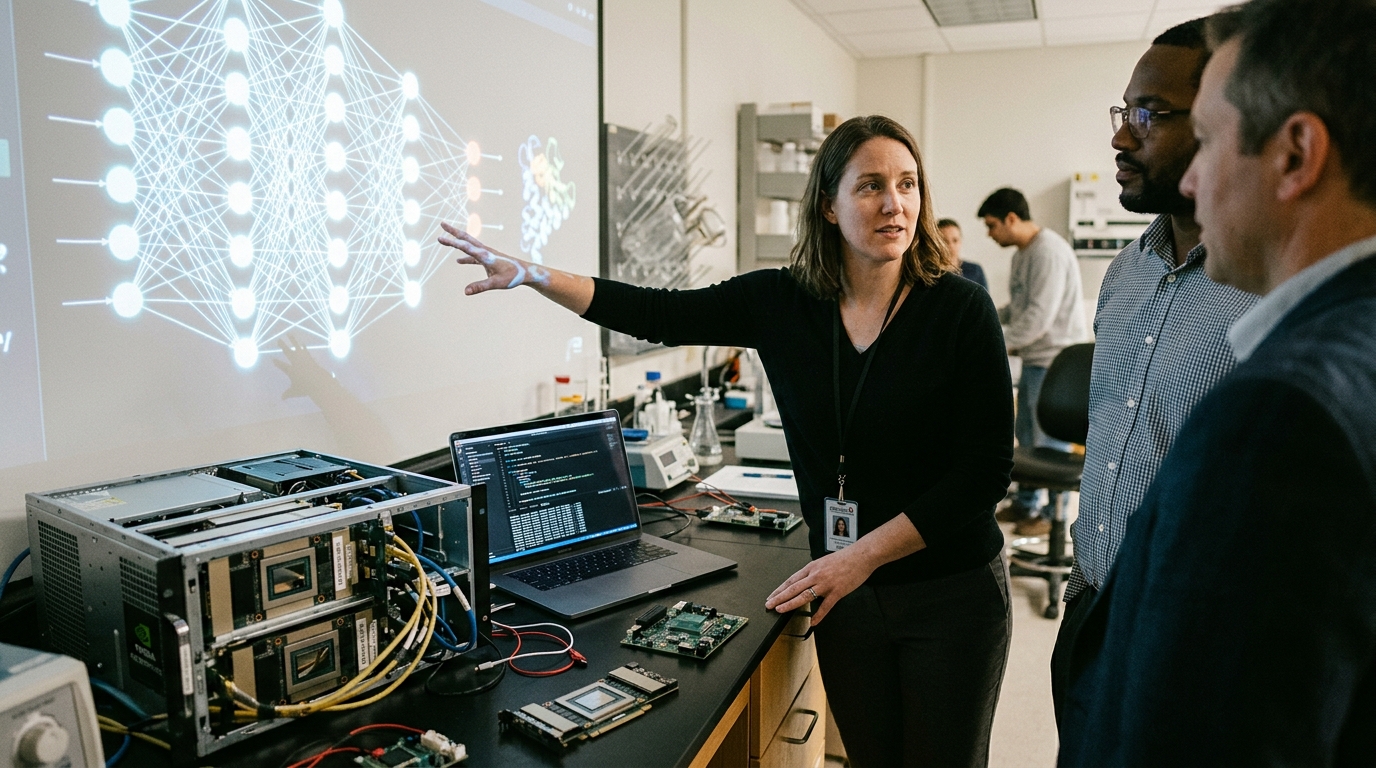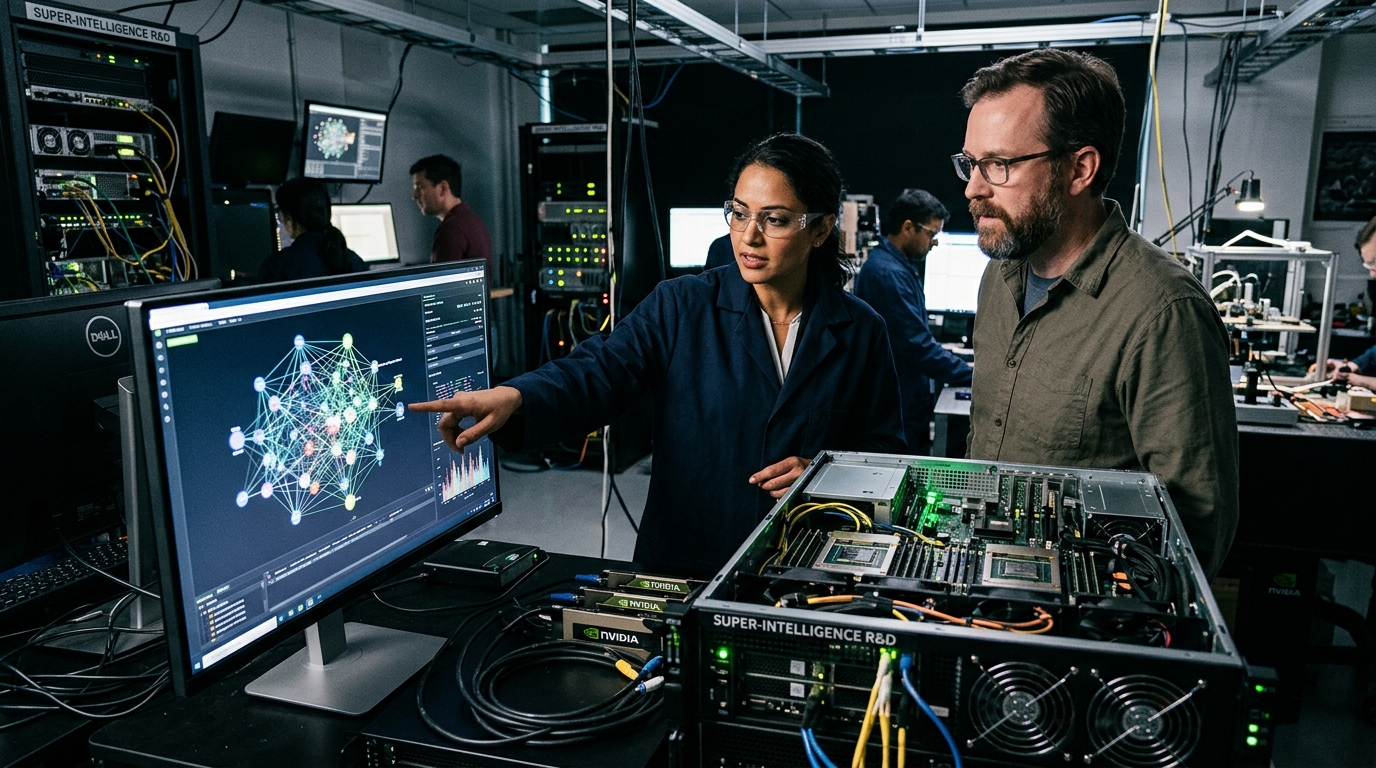
In the early 2020s, the narrative surrounding Artificial Intelligence was dominated by the idea of "one model to rule them all." Big Tech companies competed to build the largest, most comprehensive "digital brain." However, as we navigate the summer of 2026, the reality in both research and industry has shifted radically. Specialization is no longer just an option; it is a necessity dictated by the laws of economics, physics, and practical utility.
The Economic and Performance Ceiling
The first and perhaps most pressing reason for the shift toward specialization is cost. General-purpose Large Language Models (LLMs) are incredibly expensive to maintain and operate. For a business that needs AI to analyze legal documents or optimize software code, using a trillion-parameter model that simultaneously knows how to write poetry and explain quantum physics is a waste of resources. This "computational overkill" leads to high latency and prohibitive inference costs.
According to recent analyses from the Hugging Face and Dharma AI communities, specialized models can achieve superior performance in specific domains while being 1/10th the size of a generalist model. This is achieved through techniques such as knowledge distillation and fine-tuning on high-quality, domain-specific data. The result is faster, cheaper, and more accurate tools.
Data Sovereignty and Vertical Specialization
Another critical factor is data quality. General-purpose models are trained on the "open web," which is rife with noise, inaccuracies, and bias. In contrast, vertical specialization (Vertical AI) allows for training on closed, curated datasets belonging to specific sectors, such as medicine, engineering, or finance.
- Accuracy: Specialized models exhibit significantly fewer hallucinations because their domain is limited and well-defined.
- Security: Enterprises prefer to run smaller models on-premise to ensure data protection, a feat nearly impossible with monolithic cloud-based models.
- Compliance: In heavily regulated industries, the ability to audit the source of training data is non-negotiable.
"The era of the 'generalist' ends where the need for real reliability begins. In science and industry, being a jack-of-all-trades is more dangerous than being a master of none," notes the Dharma AI research team.
From Monolithic Models to Agentic Ecosystems
This evolution is leading to a new architecture: the Multi-Agent System. Instead of a single central model, we are seeing the collaboration of many small, specialized models, each performing a specific task flawlessly. One model might specialize in information retrieval, another in mathematical verification, and a third in technical writing.
This approach mirrors human society or a modern hospital. There isn't one doctor who knows everything, but a team of specialists collaborating. Specialization allows for the continuous improvement of each individual component without the need to retrain the entire system, providing tremendous flexibility in software development.
Conclusion
The future of Artificial Intelligence is not a digital deity answering all questions, but a sophisticated laboratory filled with the world’s best experts. The shift toward specialization, as highlighted by recent developments on Hugging Face, marks the transition from hype to substantive productivity. For businesses and researchers alike, the message is clear: specialization is not a limitation; it is the ultimate power.