For centuries, humanity has sought the 'elixir of youth' in mythologies and alchemy. Today, in 2026, this quest has moved from the laboratories of wizards to the supercomputers of Silicon Valley and major biotech hubs. Artificial Intelligence (AI) is no longer just a data analysis tool; it is the catalyst transforming biology from an observational science into a programming science. The idea that aging can be 'cured' or at least significantly slowed is no longer in the realm of science fiction but at the center of a multi-billion dollar industry.
The Senolytics Revolution and Drug Discovery
The first major front where AI is scoring victories is drug discovery. Traditionally, creating a new drug required over a decade and billions of dollars in trials. AI models, such as those used by Insilico Medicine and Altos Labs, can now simulate billions of chemical interactions in seconds. The focus is on 'senolytics'—drugs that target the elimination of senescent cells, the so-called 'zombie cells' that stop dividing but refuse to die, causing inflammation and damaging surrounding tissues.
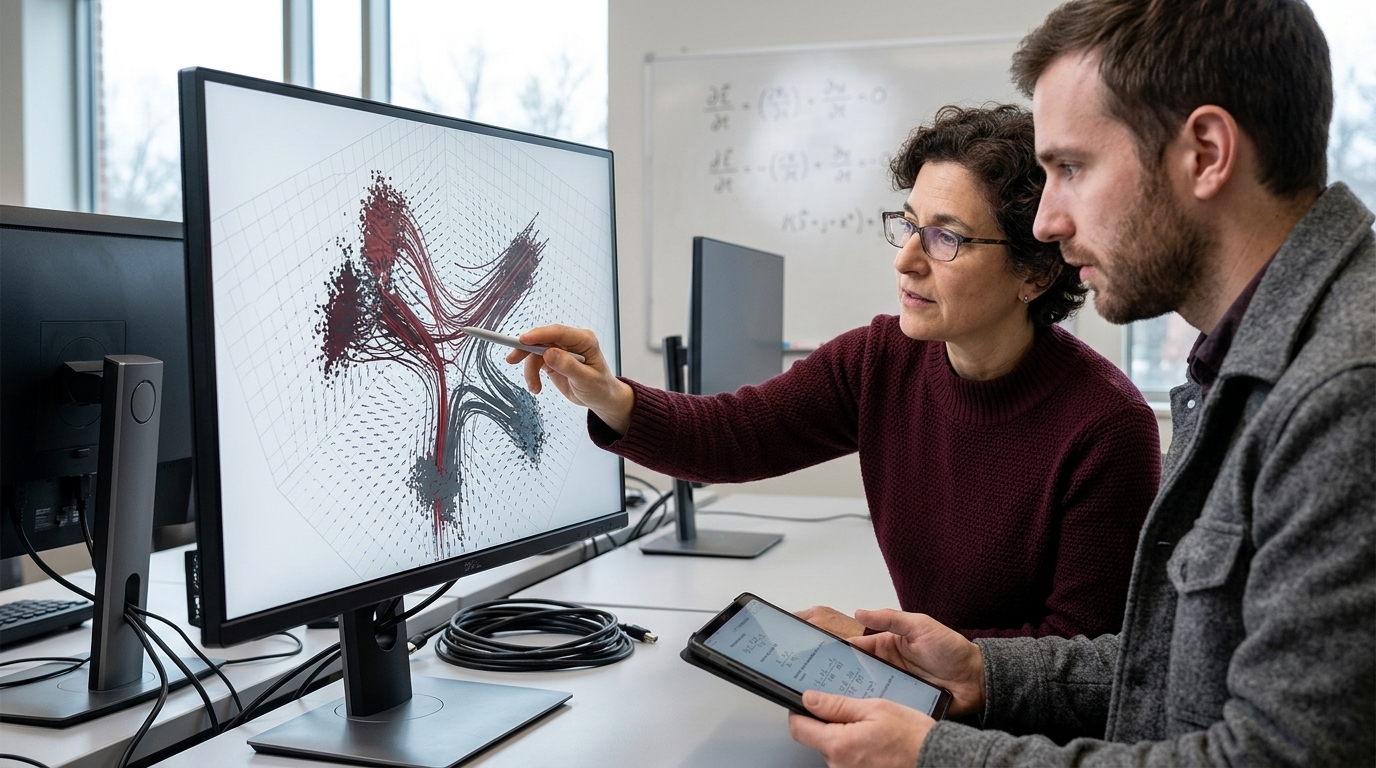
Using deep learning, researchers can identify specific proteins that allow these cells to survive. AI analyzes 3D protein structures with precision exceeding human capabilities, allowing the design of molecules that 'lock' onto these targets with absolute accuracy. This doesn't just promise to extend life, but to expand the 'healthspan'—the period during which a person remains vibrant and productive.
Epigenetic Clocks: Measuring Time in DNA
One of the most impressive applications of AI in longevity is the creation of 'epigenetic clocks.' Our biological age often differs from our chronological age. AI can analyze DNA methylation patterns—tiny chemical changes that accumulate as we age—to accurately predict when diseases like Alzheimer's or heart disease might appear.
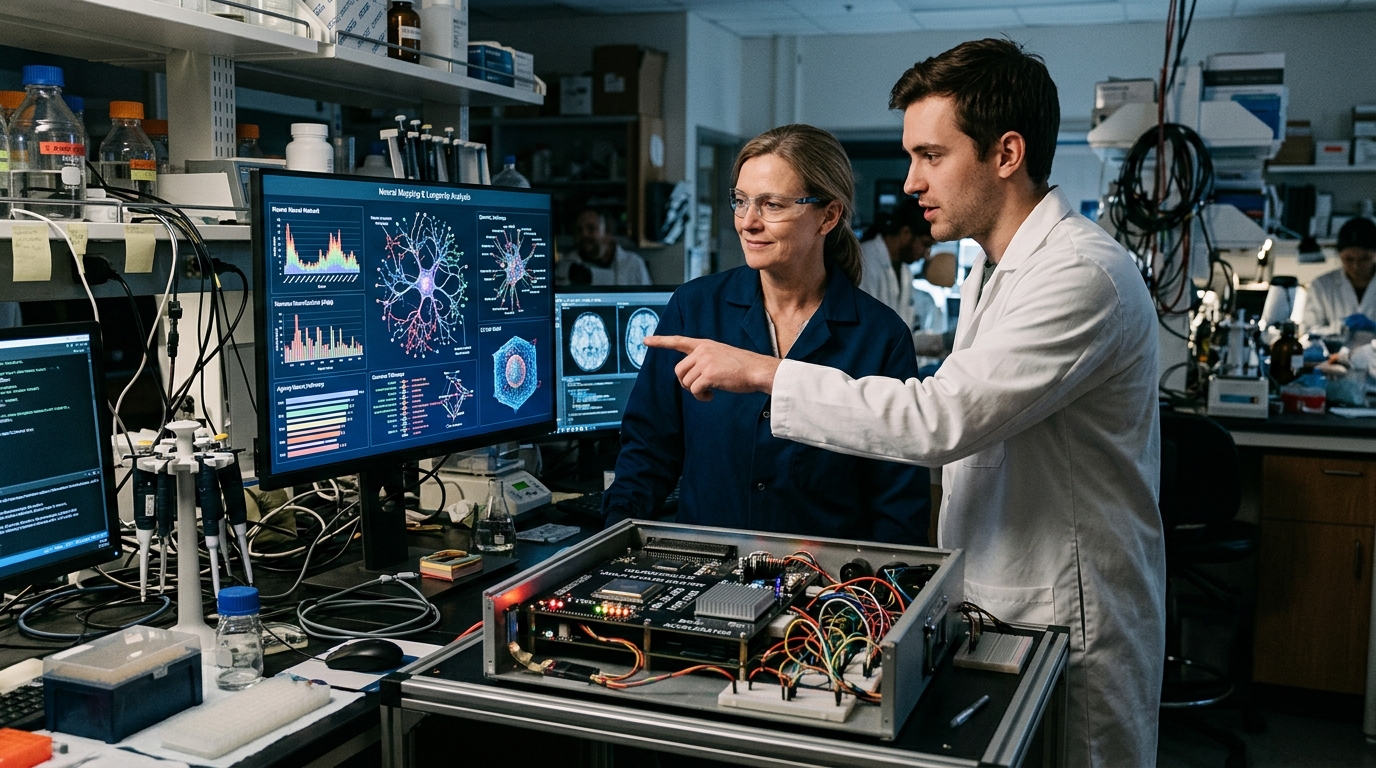
These clocks, such as the famous Horvath Clock, have evolved through AI into personalized medicine tools. Today, algorithms can suggest tailored interventions—from specific diets to targeted supplements—that 'reset' the biological clock. AI's ability to process vast datasets from wearables, genetic analyses, and blood tests allows for the creation of a 'digital twin' for every patient, where doctors can test treatments in a simulated environment before applying them in reality.
Ethical Dilemmas and the Geopolitics of Immortality
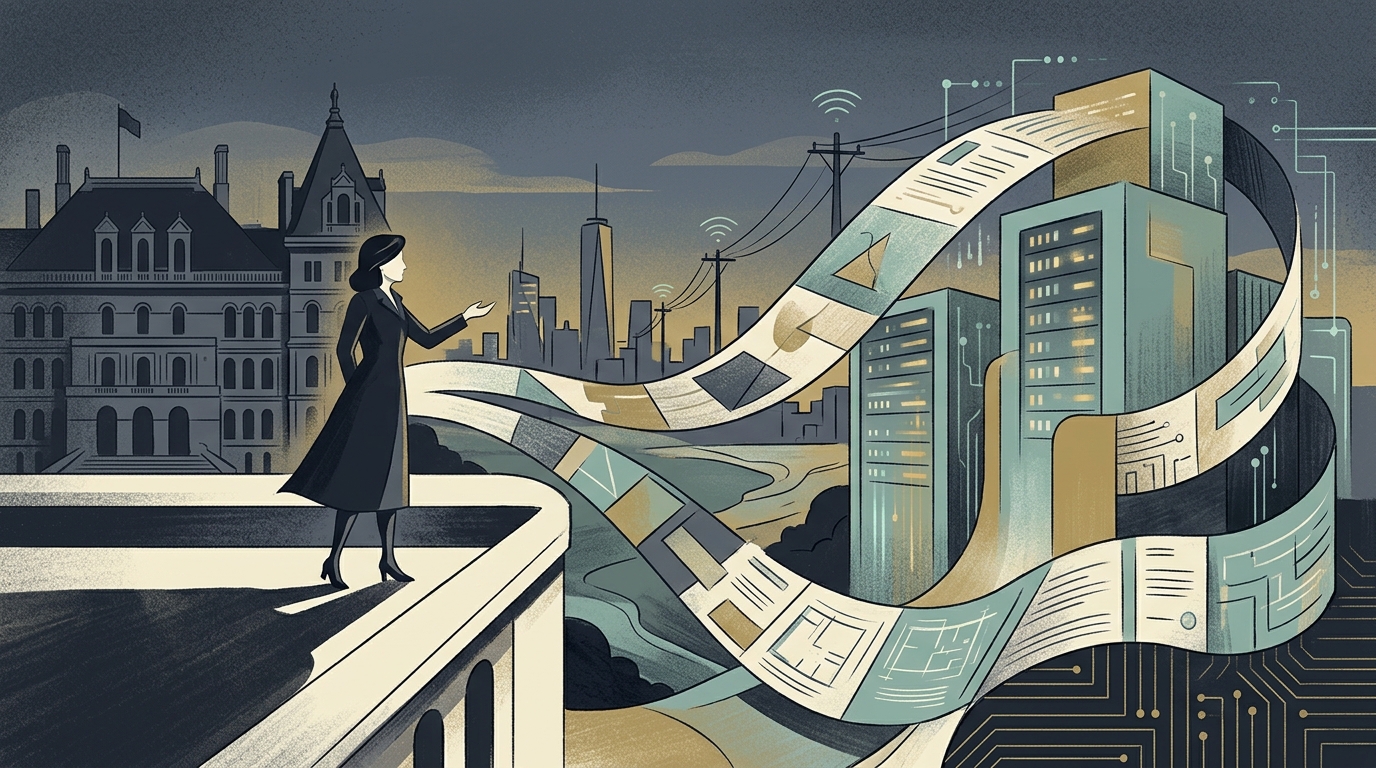
However, this progress brings deep social and ethical questions. If aging becomes a 'choice' or a treatable condition, who will have access to it? There is a risk of creating a new class of 'biologically superior' humans who possess the wealth to buy decades of extra life, while the rest of the population remains bound by natural decay. Health inequality could turn into a permanent, genetic inequality.
Furthermore, the economic consequences are staggering. Insurance systems and pension funds are designed based on a specific life expectancy. If people start living healthily until 120, the concept of retirement will have to be reinvented. Governments worldwide, from China to the US, are investing billions in longevity research, not just for citizen well-being but as a means of reducing the massive cost of elderly care. At the dawn of this new era, AI is not just adding years to our lives but asking the question: what does it ultimately mean to be human in a world without the limit of time?