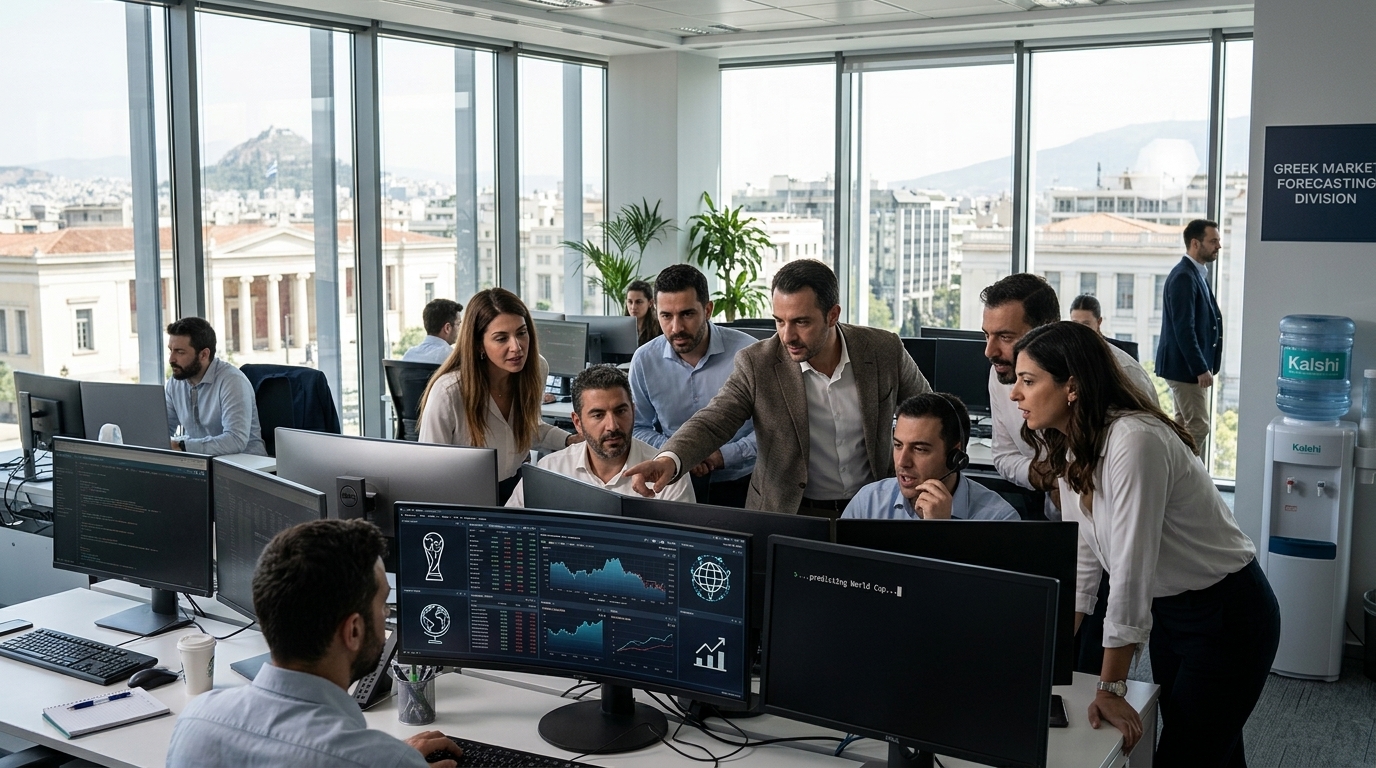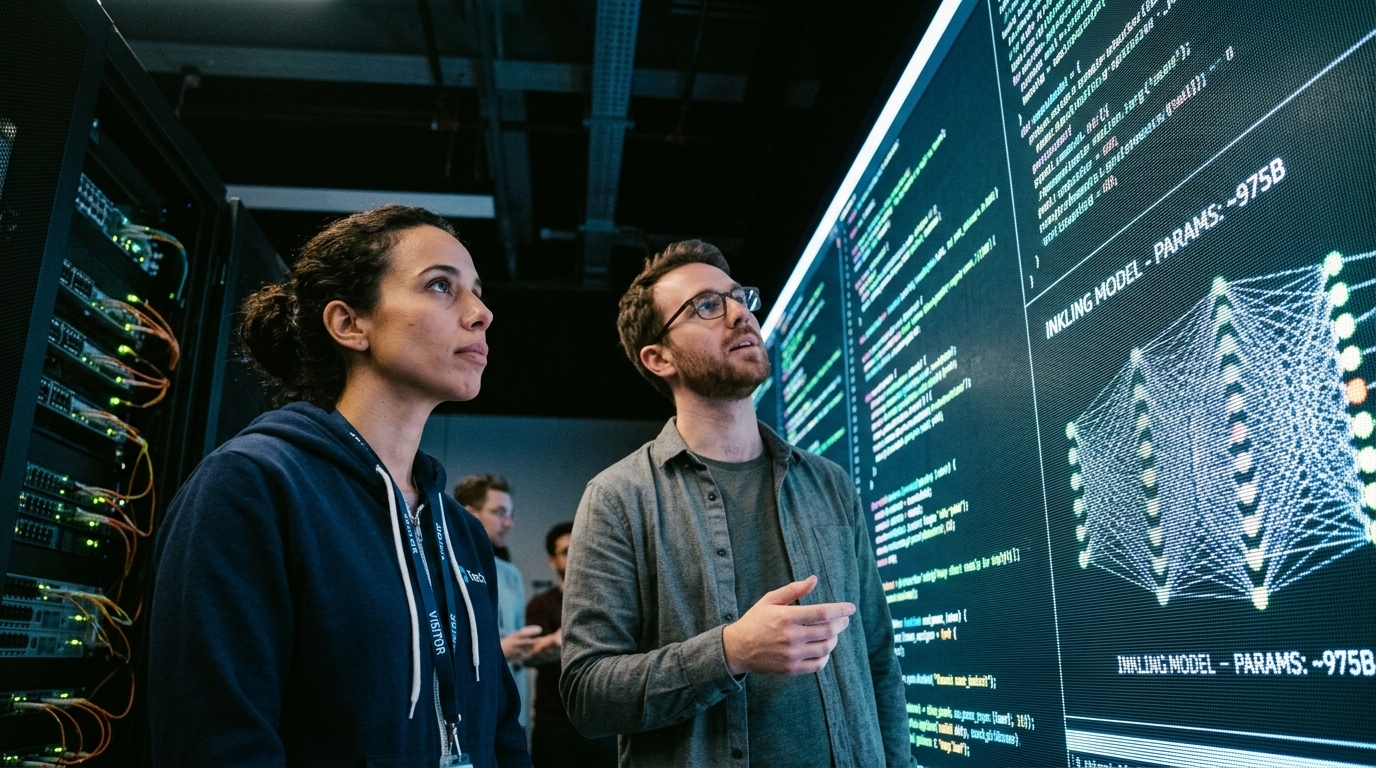
The current week is set to be etched in the annals of technological history as the moment the AI arms race entered a new, more aggressive phase. Within a matter of days, OpenAI, Meta, and Elon Musk’s xAI are moving forward with the unveiling or full release of new models that promise to redefine what we perceive as "intelligent" in the digital age. This is not merely a series of software updates; it is a profound display of power in a geopolitical and economic game where the stakes are nothing less than the control of future infrastructure.
OpenAI’s Strategy: Beyond Simple Chatting
OpenAI, under the leadership of Sam Altman, appears to be shifting its focus from simple text generation to advanced "reasoning" capabilities. Reports suggest that the new model, codenamed "Strawberry," aims to solve complex mathematical and programming problems that have hitherto stumped even GPT-4. The company’s strategy is clear: maintaining leadership through qualitative superiority. While competitors are closing the performance gap, OpenAI is betting on models that can "think" before they respond, reducing hallucinations and increasing reliability in enterprise environments.
- Focus on complex logical processes and multi-step problem solving.
- Enhancing the autonomy of AI agents to execute tasks without constant supervision.
- Pressure from investors to prove that massive resource consumption translates into real utility.
Meta and the Democratization of Open Source
On the other side of the spectrum, Mark Zuckerberg continues to play the "open-source" card with Llama 3. Meta aims to make its model the industry standard, offering performance that rivals the closed models of Google and OpenAI, but with the freedom provided by an open-source philosophy. This move is far from altruistic; it is a calculated attempt to undermine the subscription-based business models of competitors. If everyone uses Llama as their foundation, Meta controls the ecosystem upon which the next decade’s applications will be built.
"Artificial Intelligence should not be locked in a 'black box'. The future belongs to those who give the tools to the creators," a Meta executive recently stated, highlighting the philosophical divide.
xAI: Elon Musk’s Unconventional Challenge
Elon Musk, via xAI, enters the arena with Grok-2, promising an AI that is not constrained by the rules of "political correctness" which, according to him, stifle the models of other companies. Grok’s major advantage remains its real-time access to data from the X platform. This direct link to current events allows it to analyze news as it happens, something OpenAI and Google are still trying to perfect through partnerships with publishing giants. xAI is targeting an audience seeking a more "unfiltered" experience, while simultaneously building one of the world's largest supercomputers to train future iterations.
Market and Societal Implications
The simultaneous release of these models creates a phenomenon of "innovation congestion." Businesses are forced to choose sides in an environment that shifts weekly. Meanwhile, the European Union is closely monitoring developments as the implementation of the AI Act looms. The pressure for transparency in training data and the protection of intellectual property remain significant hurdles. As models become more capable, the conversation is shifting from "what they can do" to "how we control them," with the risks of misinformation and job automation remaining at the forefront of public concern.