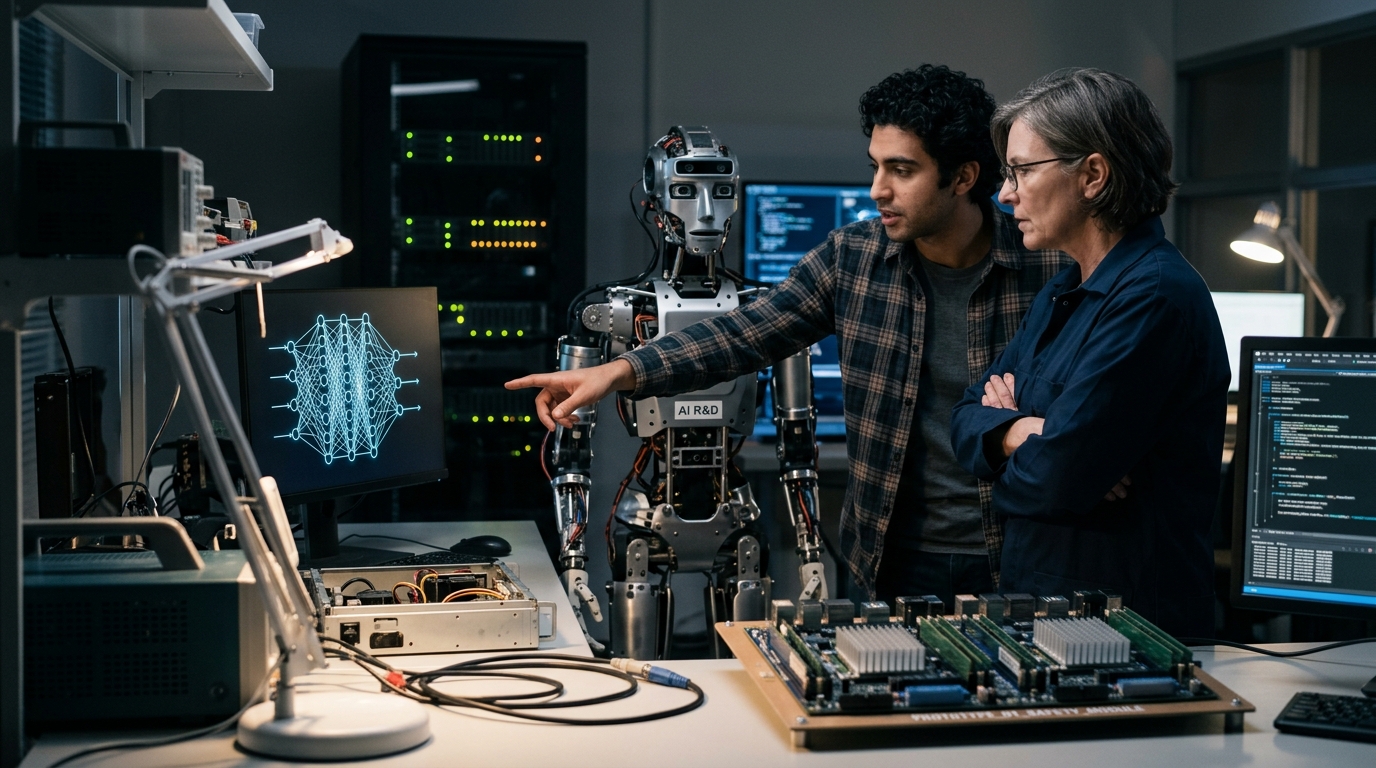
June 22, 2026, marks a critical milestone in Nvidia Corp.’s journey toward dominance in the field of robotics. As humanoid robots move from controlled laboratories to production lines and, eventually, our homes, the Santa Clara-based tech giant is prioritizing the industry's most intractable problem: absolute safety during human interaction. According to recent reports, Nvidia is working on a multi-layered control system that enables robots to make split-second decisions, preventing accidents that could prove fatal.
The Challenge of Unpredictable Human Behavior
For decades, industrial robots have operated within safety "cages." If a human got too close, the machine simply stopped. However, the vision for humanoid robots requires close collaboration with humans in shared spaces. This is where the great difficulty lies: humans are unpredictable. A sudden movement, a trip, or a misunderstanding of the robot's intentions can lead to a collision. Nvidia, through Project GR00T (Generalist Robot 00 Technology), is developing foundation models that learn not just how to perform tasks, but how to predict human movement with millimeter precision.
The company’s new approach is based on what engineers call "physical safety layers." This is a combination of high-resolution optical sensors and edge computing power, allowing the robot to perceive a human's presence even if they are outside its direct line of sight, using acoustic signals and shadow analysis.
Isaac Lab and Virtual Training
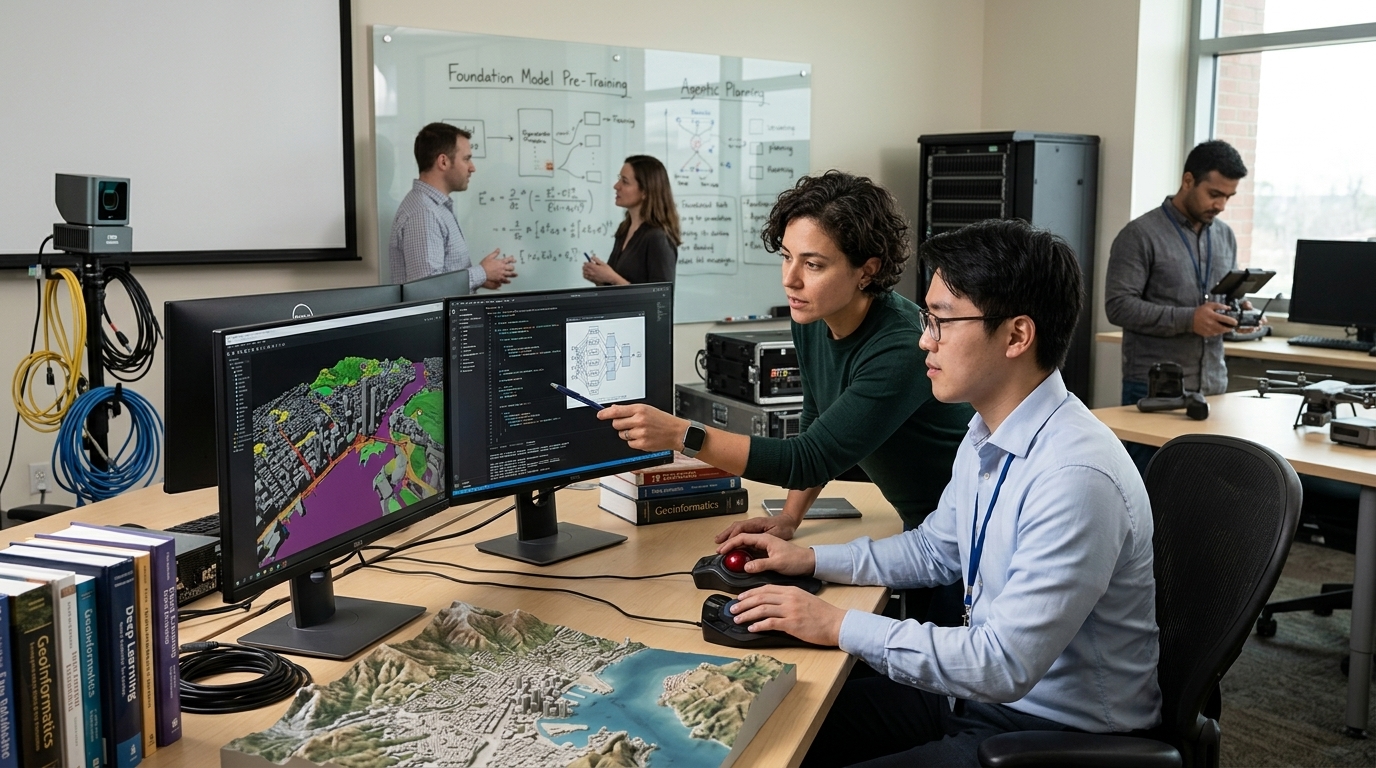
Central to this effort is the Isaac Lab platform. Nvidia uses photorealistic simulation to train robots in millions of hazard scenarios before they ever set foot in the real world. In the Omniverse virtual environment, robots live thousands of lives, facing falling objects, cramped spaces, and distracted pedestrians. This reinforcement learning method allows Nvidia to develop a "code of ethics and safety" embedded within the robot's neural network itself.
- Automated braking in case of proximity.
- Dynamic real-time path reprogramming.
- Limitation of transmitted force in joints when contacting soft materials (such as human skin).
- Continuous system integrity checks to avoid AI "hallucinations."
Nvidia CEO Jensen Huang has repeatedly emphasized that safety is not just a feature, but the prerequisite for the commercial viability of robotics. If a humanoid causes even one serious injury, public trust will be shaken for decades, echoing the setbacks faced by autonomous driving technology.
Geopolitics and Competition
Nvidia’s move does not happen in a vacuum. Tesla with its Optimus bot and Chinese firms like Unitree and Figure AI are pushing for rapid releases of their own models. However, Nvidia holds a unique advantage: it controls both the hardware (the Blackwell and Thor chips) and the software stack. This vertical integration allows it to impose de facto safety standards across the entire industry. Many analysts believe Nvidia is not just seeking to build safe robots but to become the "safety regulator," selling its technology to all other manufacturers.
"Safety in humanoid robotics is the new frontier of AI. It is not enough for the machine to be smart; it must also be harmless," says an Nvidia executive involved in the project.
In conclusion, Nvidia’s push to make humanoid robots safe is a race against time and the laws of physics. The success of this venture will determine whether the next decade will be an era of harmonious coexistence between humans and machines or a period of technological retreat driven by fear and accidents. Nvidia is betting everything on its ability to teach machines the value of human physical integrity.