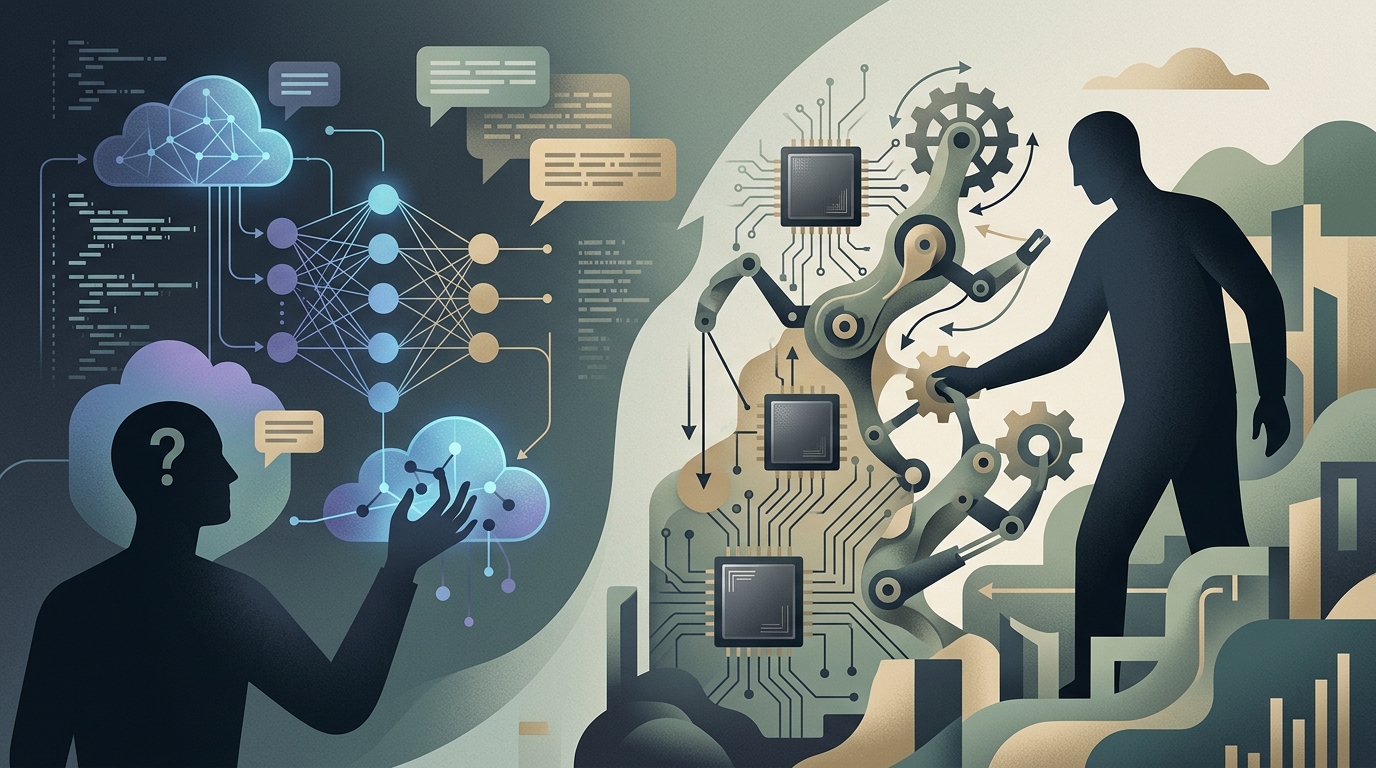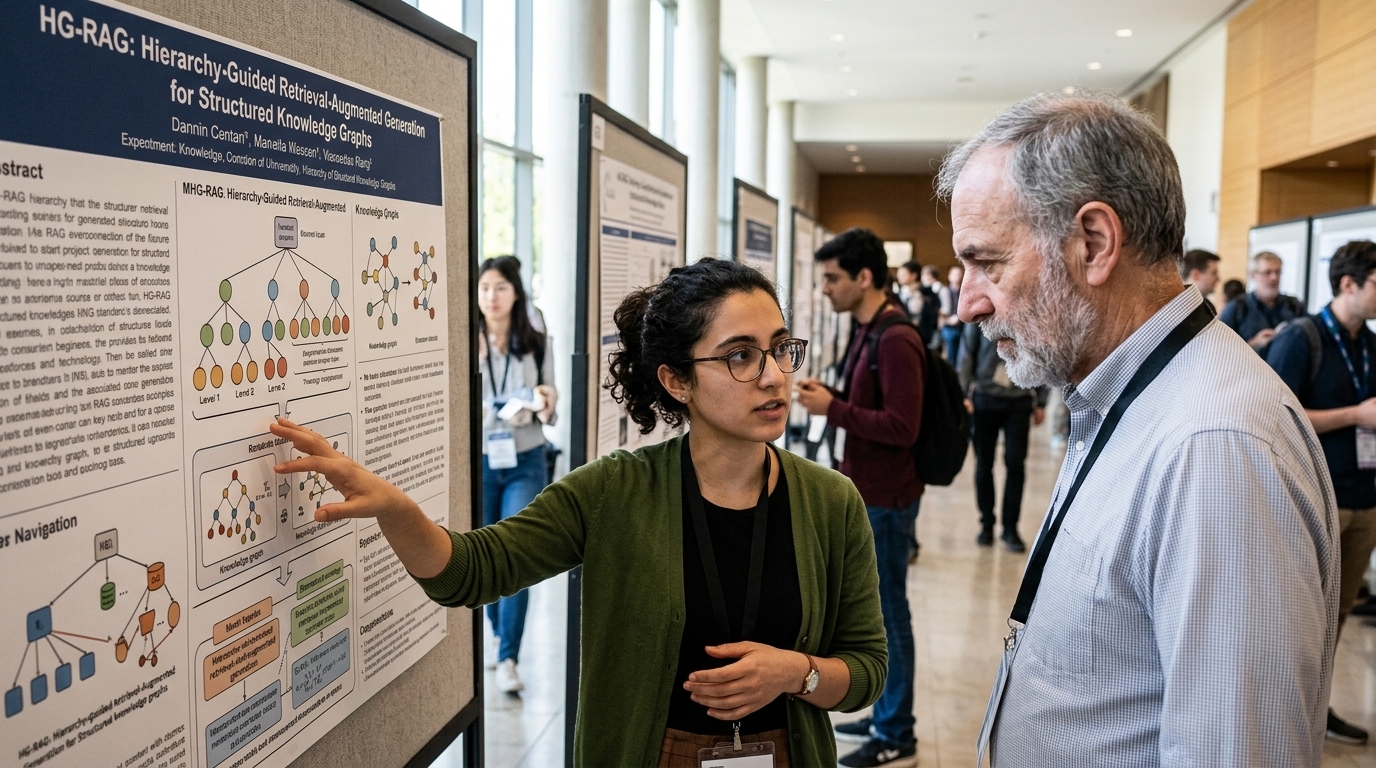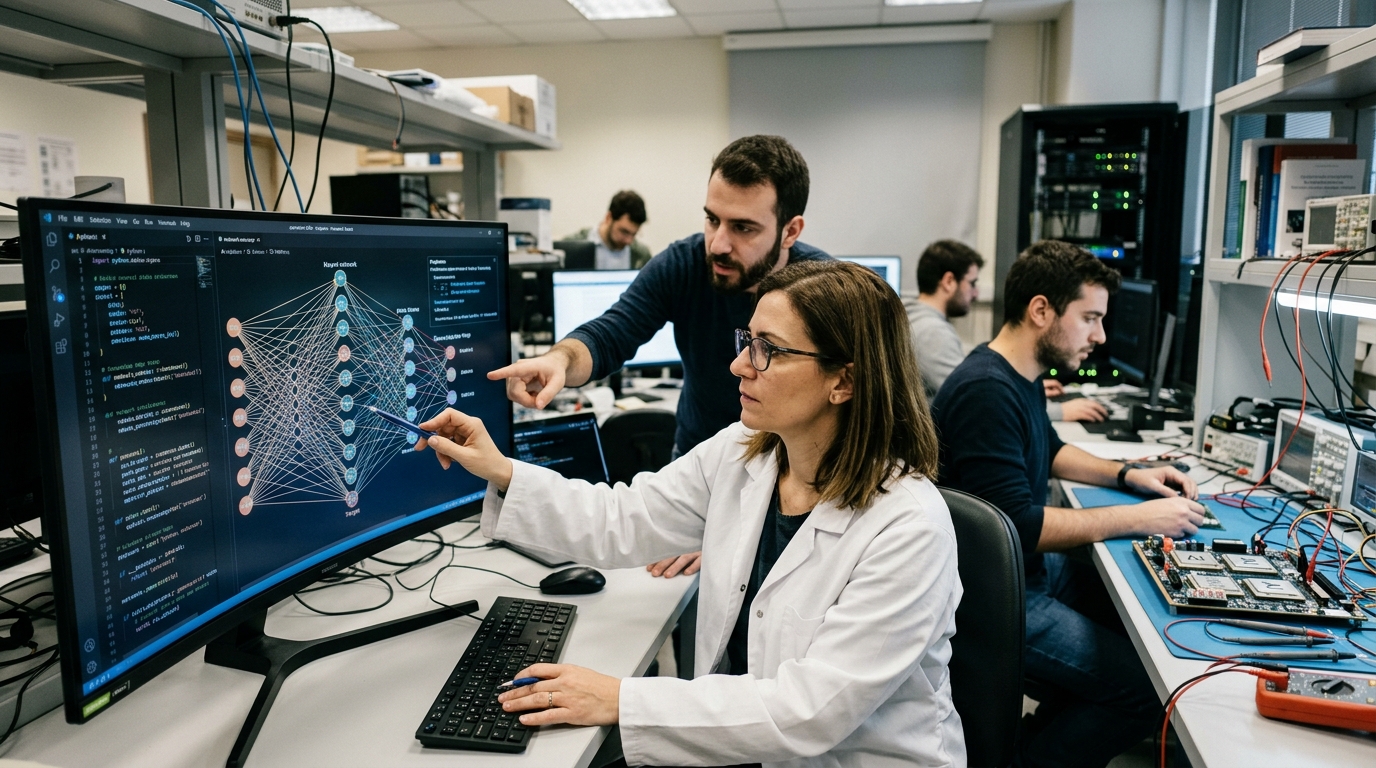
In an era where digital threats evolve at a geometric pace, the National and Kapodistrian University of Athens (NKUA) is taking on a pivotal role that transcends the boundaries of academic teaching. Integrating Artificial Intelligence (AI) into cybersecurity is no longer a future expectation but an imperative need to protect national infrastructure, the economy, and citizen privacy. Recent movements at "Kapodistriako" highlight Greece as an emerging hub for defense technology research, at a time when cyberspace constitutes the fifth domain of modern conflict.
The New Threat Reality and AI as the Antidote
Traditional cybersecurity, based on static rules and known virus signatures, has become obsolete. Attackers now leverage Generative AI to create highly convincing phishing attacks, automated malware that mutates to evade detection, and sophisticated deepfakes aimed at deceiving executives and political leaders. In this landscape, the research conducted in NKUA's laboratories focuses on developing algorithms capable of "predicting" an attack before it even manifests.
The use of Machine Learning allows security systems to analyze vast volumes of network traffic data in real-time. By identifying anomalies that would be impossible for the human factor to observe, AI can isolate infected systems in fractions of a second. This "active defense" is the heart of the strategy promoted by the university, combining academic theory with practical application in critical sectors such as energy and telecommunications.
NKUA’s Role in National Digital Sovereignty
The University of Athens' initiative is not limited to code alone. It is part of a broader effort to achieve digital sovereignty. In a world where technological dependencies on third countries carry risks, developing domestic expertise in cybersecurity is a matter of national security. NKUA, through its research programs and collaborations with European organizations like ENISA (headquartered in Greece), creates the necessary ecosystem to train the next generation of "digital guardians."
- Development of intrusion detection systems based on neural networks.
- Research on post-quantum cryptography resistant to future computing threats.
- Creation of security protocols for the Internet of Things (IoT) and smart cities.
- Training of public and private sector executives in cyber crisis management.
The connection between the university, the labor market, and state agencies is decisive. Greece, having suffered targeted attacks on government websites and banking systems in the past, now recognizes that investing in NKUA’s research is an investment in the country's stability. The use of AI also enables the automation of compliance with regulations such as GDPR and the NIS2 directive, reducing costs for businesses while increasing data protection levels.
Ethical Challenges and the Human Element
Despite the enthusiasm for AI's capabilities, researchers at NKUA warn of ethical pitfalls. Over-reliance on automated decision-making can lead to "false positives," where legitimate activities are blocked by the system. Furthermore, there is the risk of "Adversarial AI," where hackers train their own models to deceive defensive systems.
"Artificial Intelligence in cybersecurity is not a panacea. It is a power multiplier that requires constant human supervision and critical thinking," note academic circles within the institution.
The future of cybersecurity in Greece seems to pass through the lecture halls and laboratories of Panepistimiou Street and the Zografou campus. The transition from reactive to proactive security is a difficult journey, but NKUA's commitment to excellence and innovation offers an optimistic perspective. In an increasingly volatile world, knowledge and technology remain our strongest fortresses.