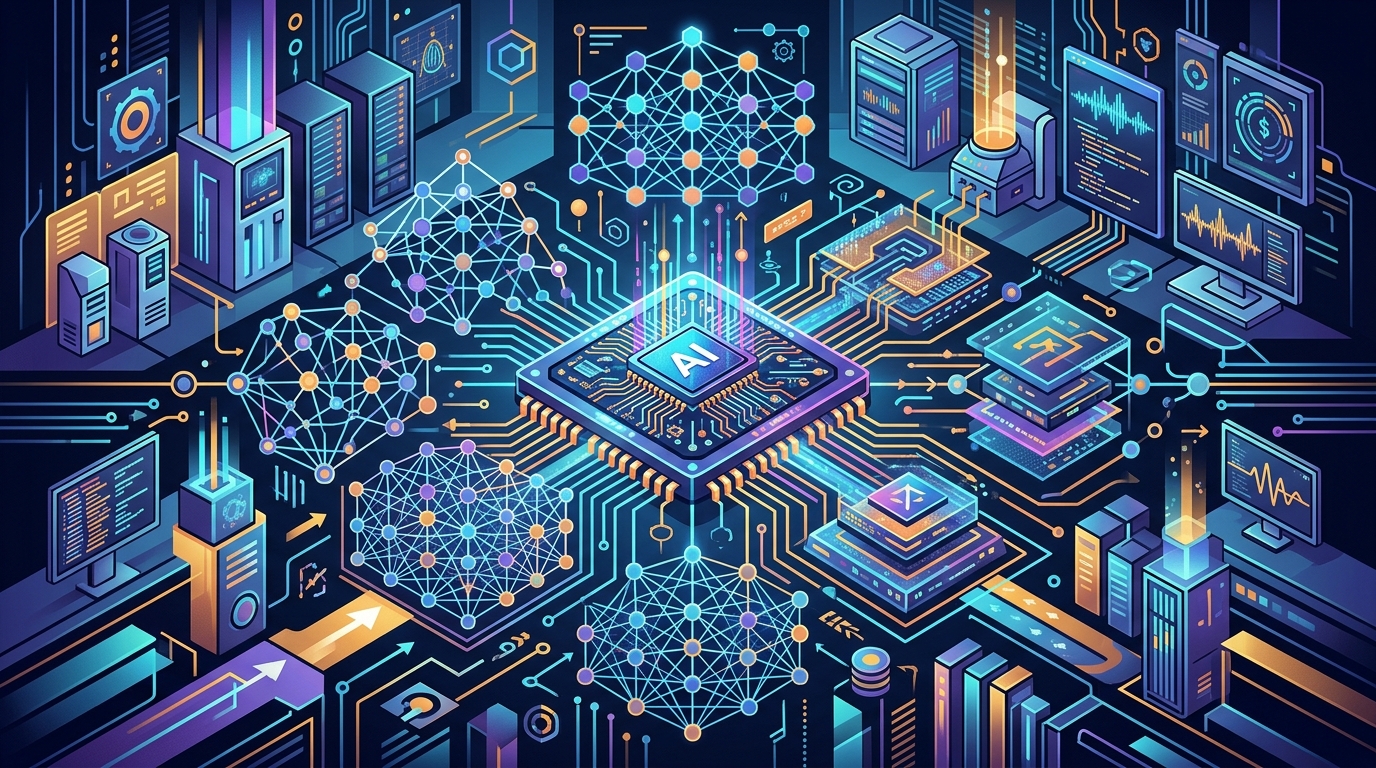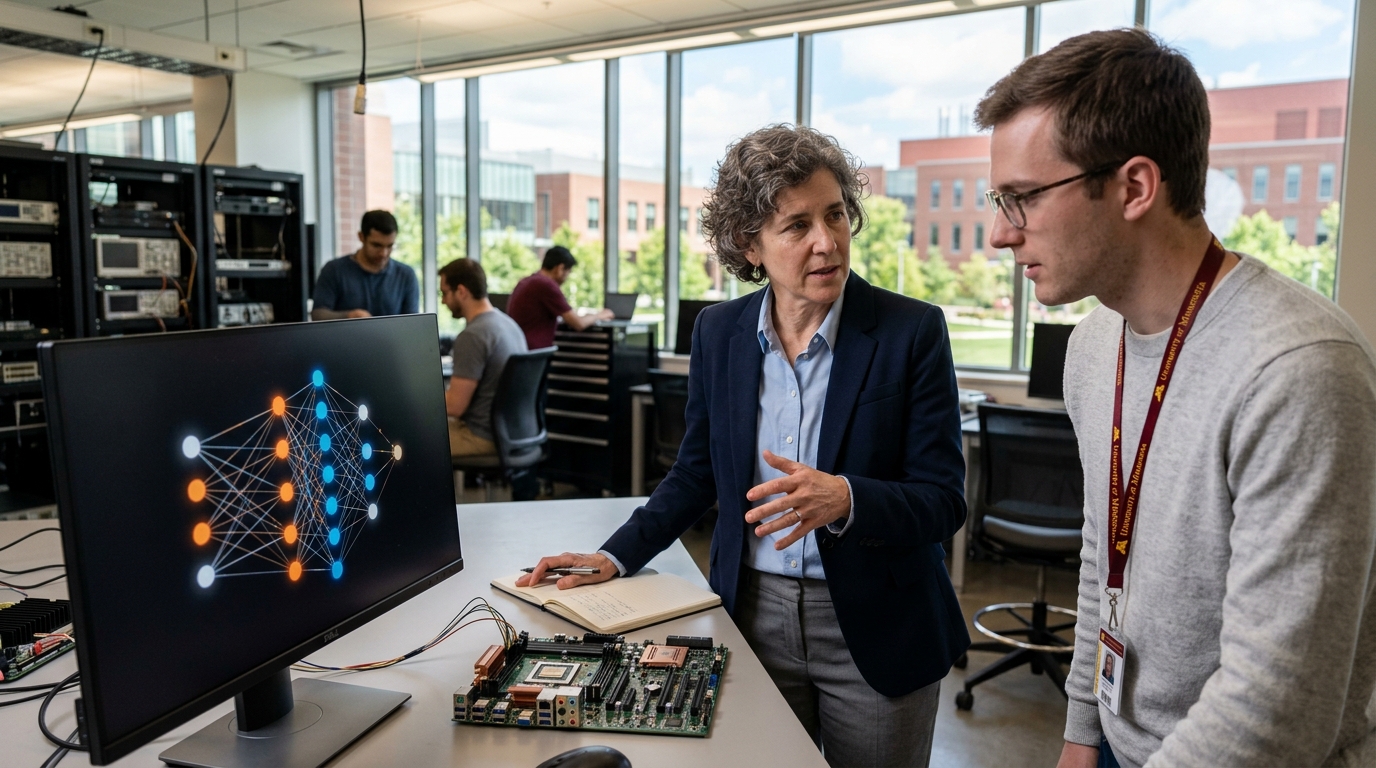
In the rapidly shifting business landscape of 2026, the concept of a "corporate comeback" has taken on an entirely new dimension. It is no longer just about financial restructuring or cost-cutting; it is about an organization's ability to reinvent itself through Artificial Intelligence (AI). Recent extensive research from the Carlson School of Management at the University of Minnesota Twin Cities sheds light on the factors that allow once-dominant companies, which had fallen into stagnation, to regain their former glory in the era of generative intelligence.
The research emphasizes that AI does not simply function as a productivity tool, but as the catalyst that bridges the gap between traditional legacy and future innovation. Researchers analyzed dozens of cases of companies on the brink of obsolescence and found that those who achieved a total turnaround did not stop at simply adopting AI solutions but proceeded with deep structural and cultural changes.
The Trap of Technical Debt and Data Architecture
One of the most significant findings of the study concerns so-called "technical debt." Many legacy companies struggle to return because their systems are based on outdated architectures that cannot support modern AI models. The University of Minnesota points out that a successful regeneration begins with clearing out these systems. Companies that successfully staged a comeback first invested in creating a "clean" and accessible data infrastructure.
As stated in the report, "data is the fuel, but architecture is the engine." Without a unified data strategy, AI remains isolated in silos, hindering real-time decision-making. Businesses that achieved a comeback used AI to unify information from marketing, supply chain, and customer service, creating a holistic system that continuously learns and adapts.
Leadership and Cultural Adaptation
Beyond technology, the research focuses on the human factor. Leadership plays a decisive role in whether a company will succeed in using AI for its rebirth. Researchers found that successful CEOs were not necessarily tech experts but possessed "technological empathy." That is, they understood how AI affects employee psychology and the customer experience.
- Reskilling: Successful companies did not just replace their workforce; they equipped them with new skills.
- Decentralization of Decision-Making: AI allows decision-making at lower levels of the hierarchy, which requires trust from management.
- Embracing Failure: Developing AI solutions involves experimentation. Companies that returned to the top fostered an environment where the failure of an AI model is seen as a lesson, not a disaster.
"Corporate comeback in the AI era is not a sprint to see who buys the most processors, but a marathon to see who retrains the mind of their organization," the study notes.
Strategic Agility and the Local vs. Global Battle
Another interesting element of the research is strategic agility. Companies making a comeback use AI to offer personalized experiences at a local level while maintaining their global scale. This is particularly evident in the retail and services sectors, where AI allows for the prediction of consumer needs by geographical area with an accuracy that was unthinkable five years ago.
In conclusion, the University of Minnesota study teaches us that Artificial Intelligence is the great "equalizer." It gives cumbersome giants the opportunity to gain the agility of a startup, provided they are willing to leave past practices behind. A comeback is no longer the privilege of the few, but the result of strategic intelligence and technological boldness.