In an era where technological progress gallops at a pace that often outstrips our capacity for regulatory intervention, Anthropic, one of the leading companies in the field of artificial intelligence, has issued a stark warning. According to the company's recent analyses, Large Language Models (LLMs) are no longer just productivity tools; they are transforming into critical weapons in the cyberattack arsenal. The transition from theoretical risk to operational reality is now a fact, creating a new battlefield in the digital world.
The Automation of Social Engineering
One of Anthropic's most disturbing findings concerns the ability of AI to automate and perfect social engineering attacks. Traditionally, phishing attacks were recognized by poor English, grammatical errors, and a lack of personal style. Today, AI allows malicious actors to create highly persuasive messages, tailored to each victim's profile, on a massive scale.
Anthropic points out that using models like Claude to draft emails that look perfectly natural reduces the cost of attacks and dramatically increases their success rates. Cybercriminals no longer need to be linguists or experts in psychology; the model takes care of finding the right words to break down the target's defenses. This democratization of deception represents one of the greatest challenges for IT departments worldwide.
From Code to Exploitation: AI's Help in Malware
Beyond communication, Anthropic focuses on the models' ability to assist in writing malicious code. Although there are strict safety filters preventing models from creating viruses directly, sophisticated actors use "jailbreaking" techniques or request help for specific code segments that, when combined, constitute powerful attack tools.
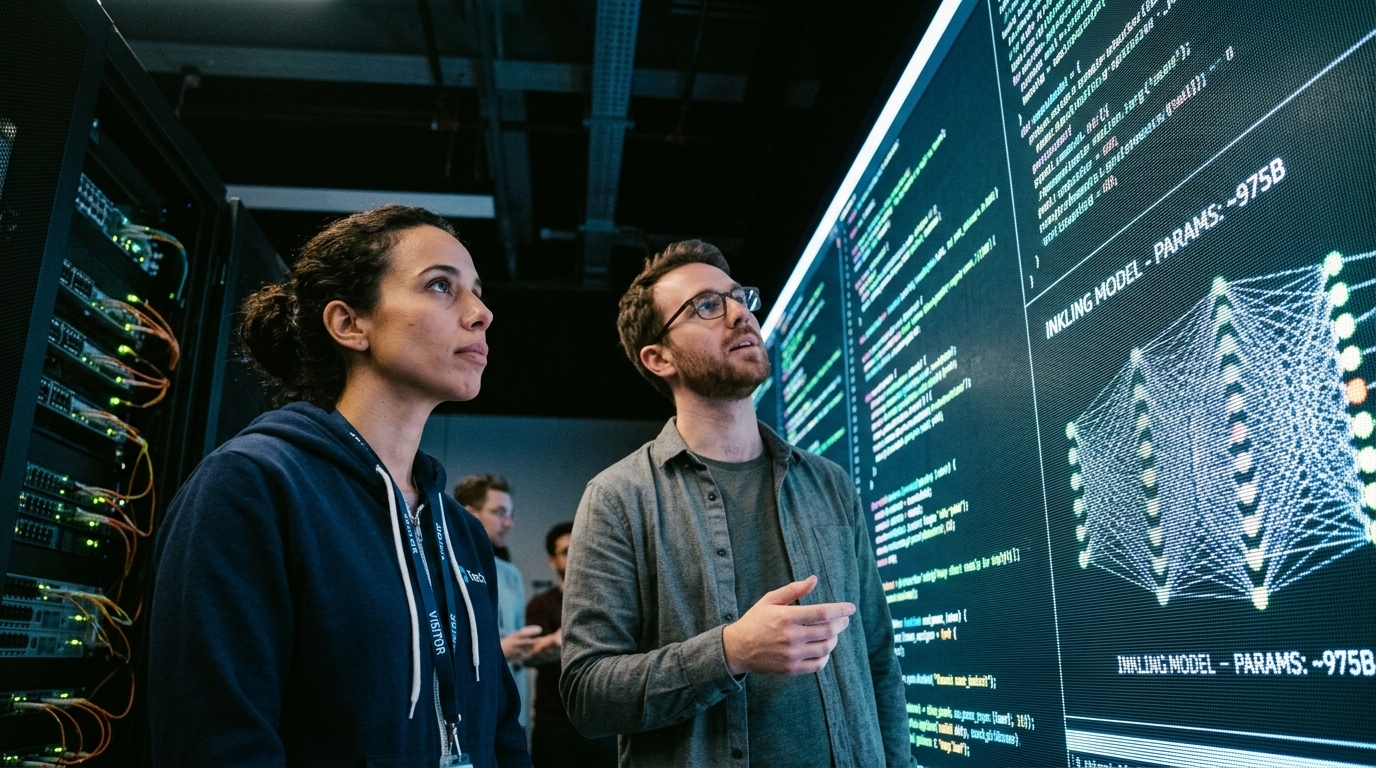
Code analysis for vulnerability discovery is an area where AI excels. While defenders use this capability to fortify their systems, attackers leverage it to identify zero-day vulnerabilities before they become known to the community. The speed at which AI can scan millions of lines of code gives a clear advantage to the attacker, who only needs one hole to invade, unlike the defender who must close them all.
- Automated vulnerability searching in open-source software.
- Creation of polymorphic code that evades traditional antivirus.
- Optimization of scripts for brute-force attacks.
The Geopolitical Dimension and Corporate Responsibility
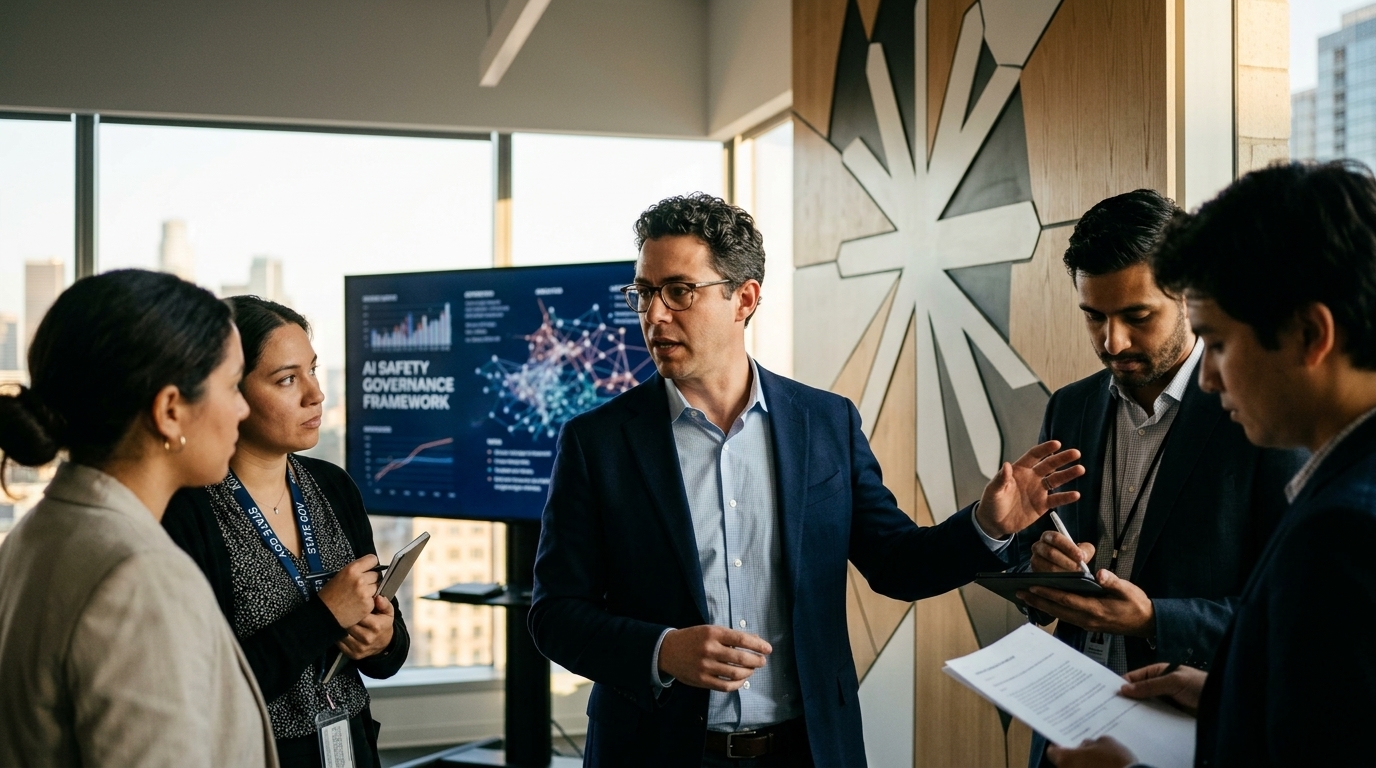
Anthropic's warning does not only concern individual hackers but also state-sponsored Advanced Persistent Threat (APT) groups. The use of AI by countries seeking to cause digital instability in their adversaries is changing the balance of power. Anthropic, alongside OpenAI and Microsoft, has already reported cases where groups from Russia, China, and North Korea attempted to use their models to enhance their operational capabilities.
"Our responsibility does not stop at creating a powerful model, but extends to ensuring that this model will not become the weapon that destroys digital trust," an Anthropic executive stated.
The company advocates for the need for closer cooperation between AI providers and national security agencies. It proposes the adoption of stricter red-teaming protocols and the use of AI itself to detect malicious use of its services. However, the question remains: can the defense keep up with the attack in a race where weapons evolve daily?
Conclusions for the Future of Cybersecurity
Anthropic's report concludes that we are at a turning point. Cybersecurity can no longer rely on static firewalls and traditional methods. A dynamic, AI-driven approach to defense is required. Organizations must invest in systems that use machine learning to recognize anomalies in user behavior and react in real-time. Artificial intelligence is the arsonist, but it must also become the firefighter of our digital age.