In a move that significantly alters the landscape of the global technological standoff, Alibaba Cloud has announced the launch of new AI models specifically engineered for robotics. This development is not merely an addition to the company's extensive portfolio; it represents a strategic pivot toward what experts call "Physical AI" or "Embodied AI." This initiative arrives at a critical juncture as China seeks to cement its dominance in the next phase of industrial automation by merging Large Language Models (LLMs) with mechanical precision.
The Convergence of Digital and Physical Realms
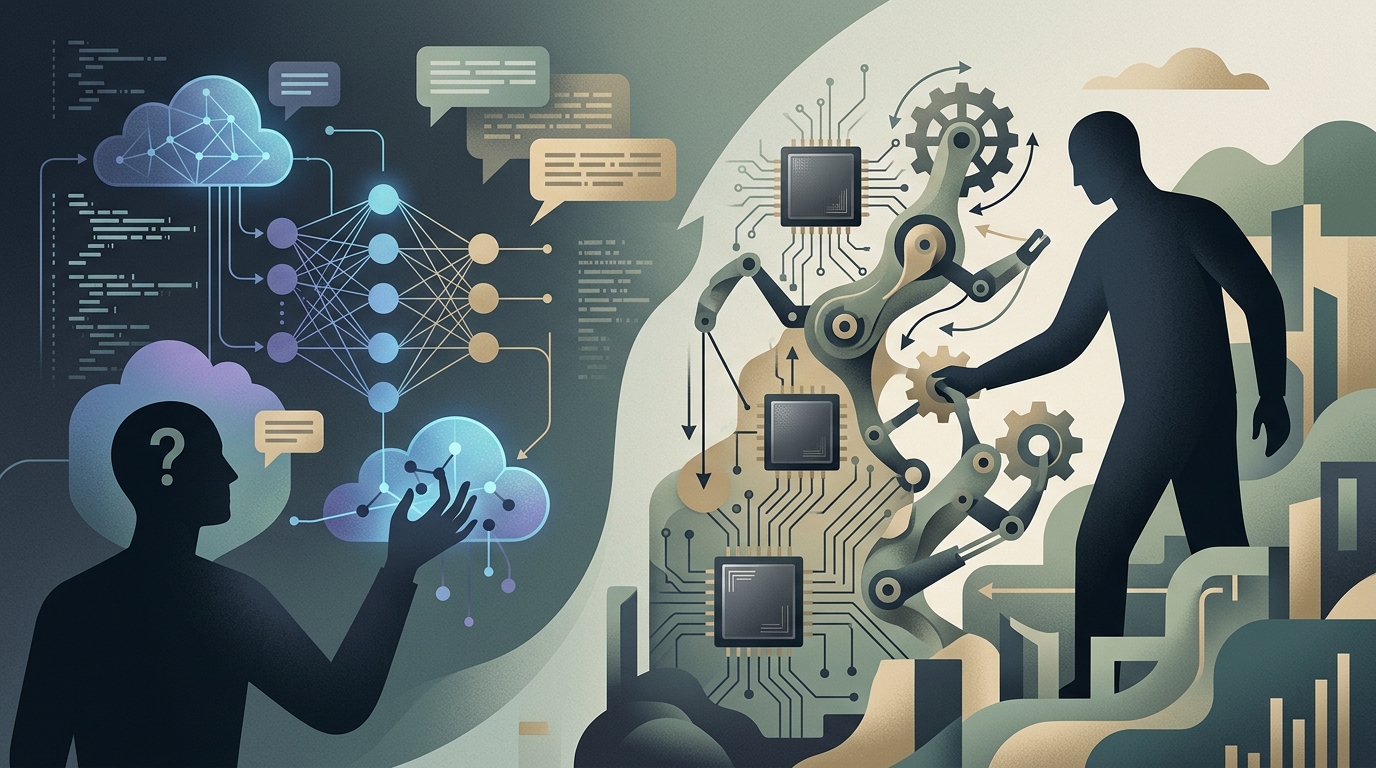
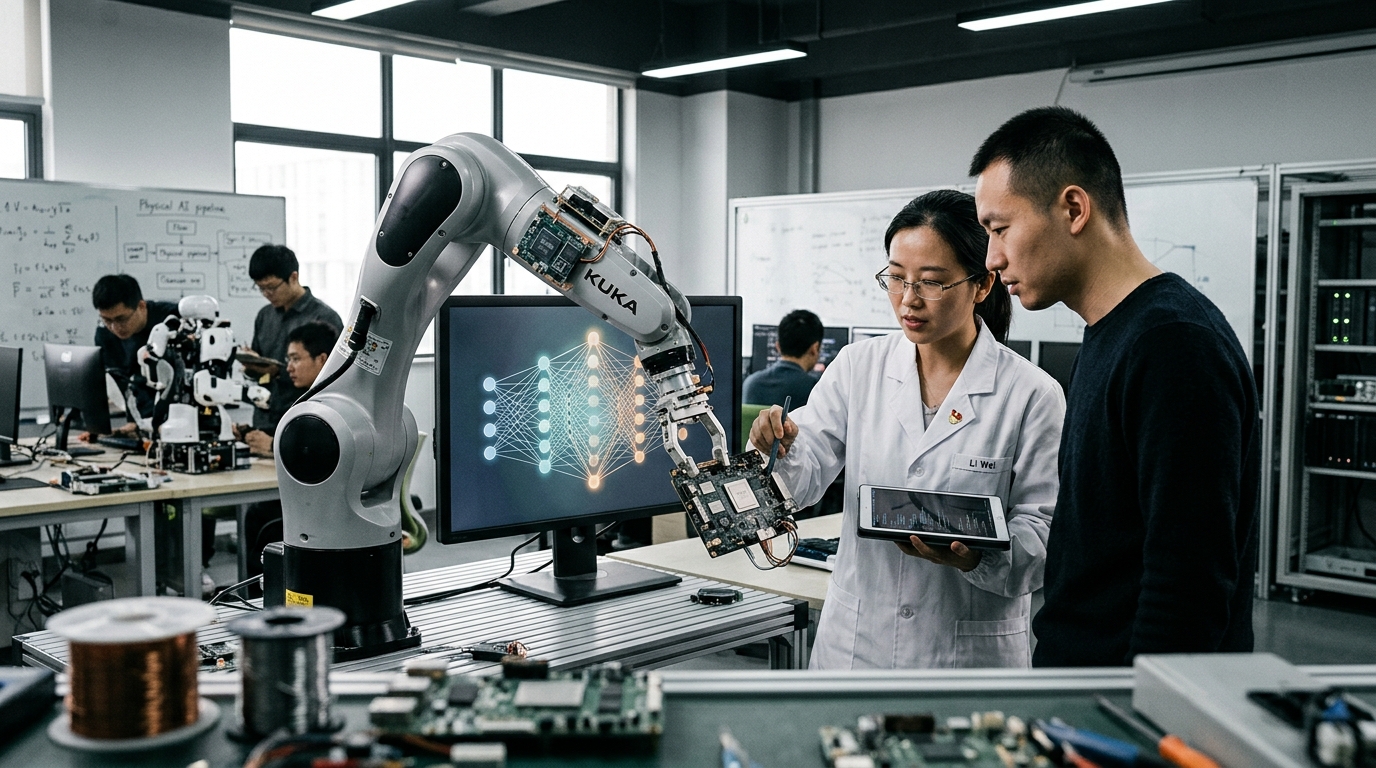
For years, artificial intelligence was confined to our screens—processing text, images, and code. However, Alibaba, through its Cloud division, is now introducing models that allow robots to "understand" their environment in a manner approaching human perception. These new models, built upon the Qwen (Tongyi Qianwen) family, integrate multimodal perception capabilities. This means a robot no longer just follows pre-programmed lines of code; it can see an object, understand its function, and decide how to interact with it in real-time.
This technology relies on Vision-Language Models (VLM), which enable the translation of visual stimuli into linguistic commands and subsequently into kinetic actions. For instance, a robot in an Alibaba warehouse will no longer require specialized markers to recognize a package; it will be able to "read" the state of the environment and navigate by avoiding obstacles that didn't exist seconds prior. This autonomy is the "holy grail" of robotics, and Alibaba appears to be positioning itself at the forefront of this race.
Industrial Revolution 4.0 and the Chinese Context
Alibaba's push into Physical AI does not happen in a vacuum. China faces a severe demographic challenge with an aging population and a shrinking labor force in the manufacturing sector. Automation is no longer a luxury but a necessity for sustaining economic growth. Alibaba's new models directly target industrial production, logistics, and healthcare services.
- Manufacturing: Robots that can adapt to different production lines without the need for extensive reprogramming.
- Logistics: Autonomous vehicles and robotic arms that optimize sorting and handling in real-time.
- Healthcare: Assistive robots capable of interacting with patients, understanding natural language, and visual cues of distress.
According to market analysts, Alibaba is attempting to create an ecosystem similar to Android for the robotics industry. By providing AI models to third-party robot manufacturers, the company aims to become the "operating system" of physical automation, locking manufacturers into the Alibaba Cloud infrastructure.
Geopolitics and the Western Competition
This announcement also serves as a response to the movements of American giants like Tesla with its Optimus project and Figure AI, backed by OpenAI. The battle for AI supremacy is shifting from chatbots to humanoids and industrial robots. Despite US restrictions on the export of advanced semiconductors, Alibaba is demonstrating that Chinese innovation in software and algorithmic optimization remains highly competitive.
"AI without a body is limited. The future belongs to those who can give intelligence the ability to move atoms in the physical world, not just bits in the digital one," stated an Alibaba Cloud executive during the launch event.
However, challenges persist. The power consumption of these models when running locally (on-edge) on robots is immense. Furthermore, data security and the ethical use of robotics in public spaces remain open questions that Alibaba will need to address as its technology spreads beyond factory walls.
Conclusion and Outlook
Alibaba's investment in Physical AI marks the end of the era of "experimental" artificial intelligence. We are now entering the era of application. For the global economy, this signifies an acceleration toward full automation, which will bring massive productivity gains but also significant social upheavals. Alibaba is no longer just selling cloud space; it is selling the "brain" of the next generation of machines that will build, transport, and care for our world.