In a move that reshapes the global technological landscape, Alibaba Group Holding has announced the release of a suite of advanced artificial intelligence models specifically designed for integration into robotic systems. This development, unveiled as part of the company’s strategic pivot, underscores a broader industry trend: the transition from "chatbots" (conversational models) to "agents"—entities that are not limited to processing information but can execute tasks in the physical world.
The Rise of Embodied AI
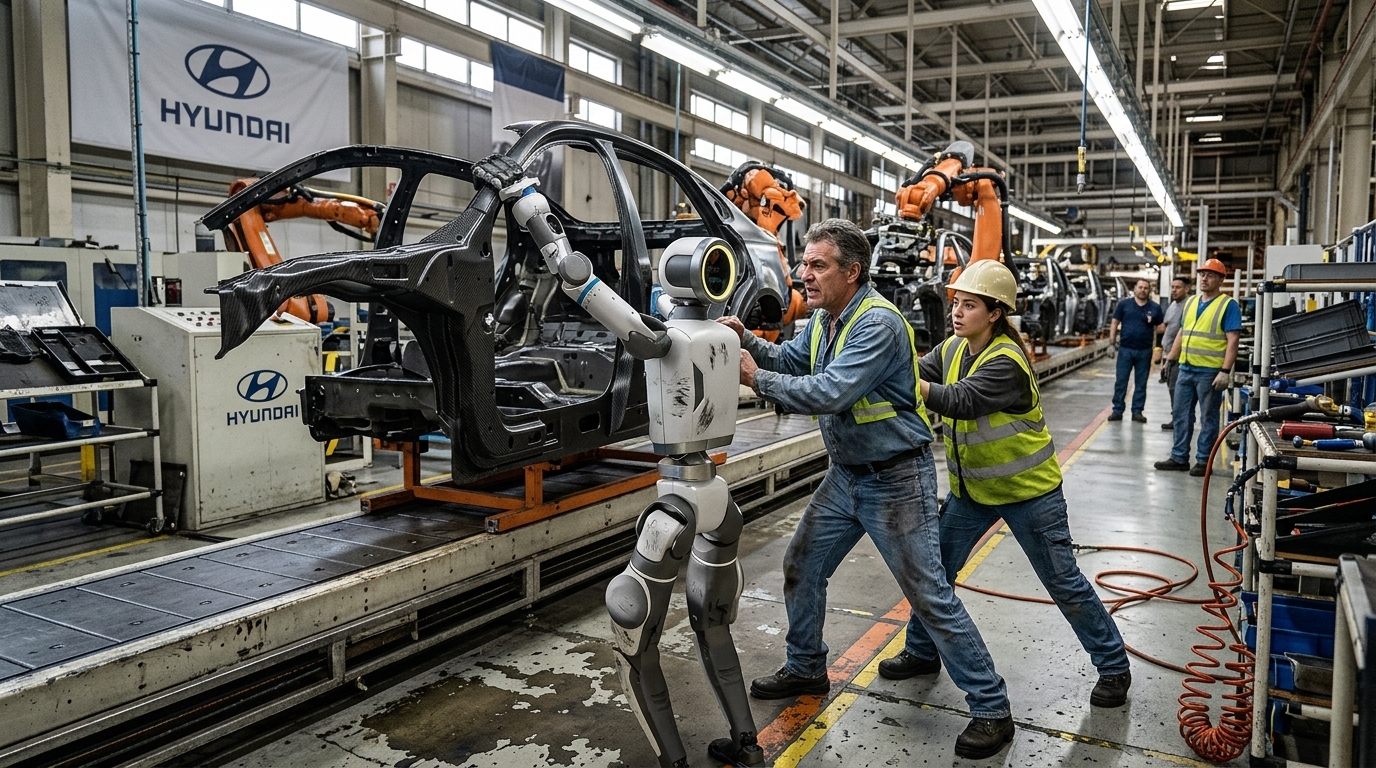
For years, the discourse surrounding artificial intelligence focused on the ability of machines to write code, compose poetry, or answer customer service queries. However, Alibaba, through its Cloud division, is now targeting "Embodied AI." This is the next great frontier, where AI software gains a "body"—whether it be an industrial arm, an autonomous delivery vehicle, or a humanoid robot.
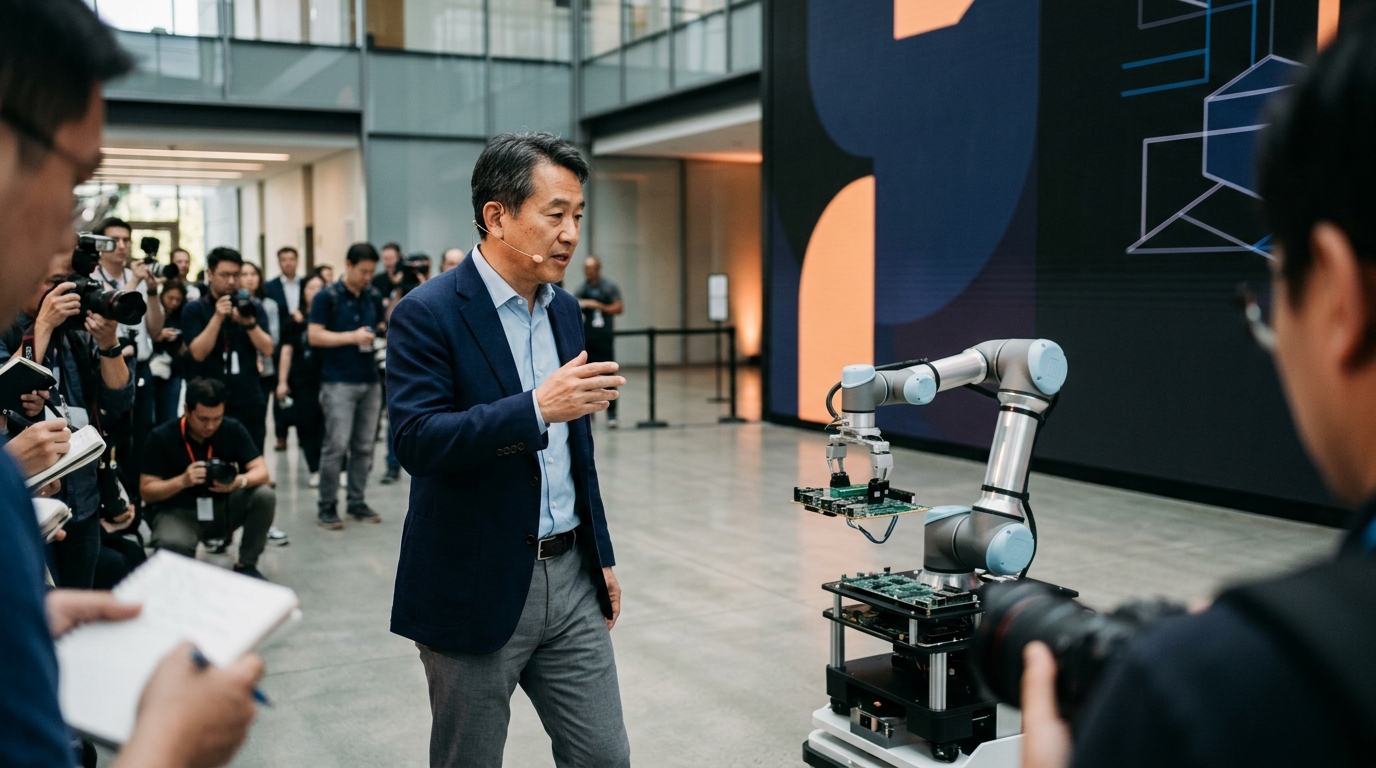
The new models in the Qwen series, trained on massive datasets including not just text but also audiovisual information and motion data, allow robots to perceive their environment with unprecedented precision. According to Alibaba, these models can "understand" complex natural language instructions and translate them into specific physical actions, overcoming the rigid limitations of traditional programming.
From Theory to Practice: The "Agentic" Strategy
The concept of the "AI Agent" is the central theme of Alibaba's strategy this year. While a chatbot waits for a prompt to respond, an AI agent has the capacity to set goals, plan steps, and interact with other systems to complete a mission. In China’s industrial environment, this translates into robots that can manage warehouses with minimal human intervention, adapting to unpredictable changes in workflow.
"We are not just building better communication tools; we are building the brains of the next generation of industrial automation," an Alibaba Cloud executive stated during the launch.
This move comes at a time when competition with US giants like OpenAI and Google is intensifying. While the US maintains a lead in foundational large language models, China is betting on its manufacturing dominance to lead in the application of AI to robotics. Alibaba seeks to make its Cloud the indispensable infrastructure for every robot manufacturer, offering its models as a service (Model-as-a-Service).
Cultural and Economic Implications
The shift toward robotic agents is not merely technical, but deeply economic. In China, demographic aging and a shrinking workforce make automation a national priority. Alibaba is aligning with government directives for "new quality productive forces," promising to increase efficiency in sectors ranging from logistics to elderly care.
However, challenges remain. The safety of human-robot interaction and the ethical management of machine autonomy are issues that the new models must address. Alibaba claims to have integrated rigorous alignment protocols into its models, ensuring that robot actions remain within the boundaries set by human supervisors.
The Future of Work and the Global Market
By integrating AI into physical production, Alibaba is not just targeting the domestic market. The Qwen models are available via open source for certain versions, attracting developers from around the globe. This "open door" strategy allows the company to build an ecosystem around its technologies, positioning them as the potential global standard for robotic intelligence.
In conclusion, Alibaba’s move marks the end of the era of "passive" AI. As we move from the screen to three-dimensional space, the ability of models to perceive and act will define the winners of the next decade. For Alibaba, the bet is clear: artificial intelligence must leave the cloud and get to work in the factory, on the street, and in the home.