The World Economic Forum (WEF), an institution that for decades was synonymous with the peak of globalization, finds itself at a critical crossroads in May 2026. Following years marked by the "polycrisis"—a term the Forum itself helped popularize—the need for a new roadmap for global governance has never been more urgent. The discussions that began in Davos earlier this year have now crystallized into specific policy initiatives, with Artificial Intelligence and climate resilience serving as the central pillars.
AI as the New Global Infrastructure
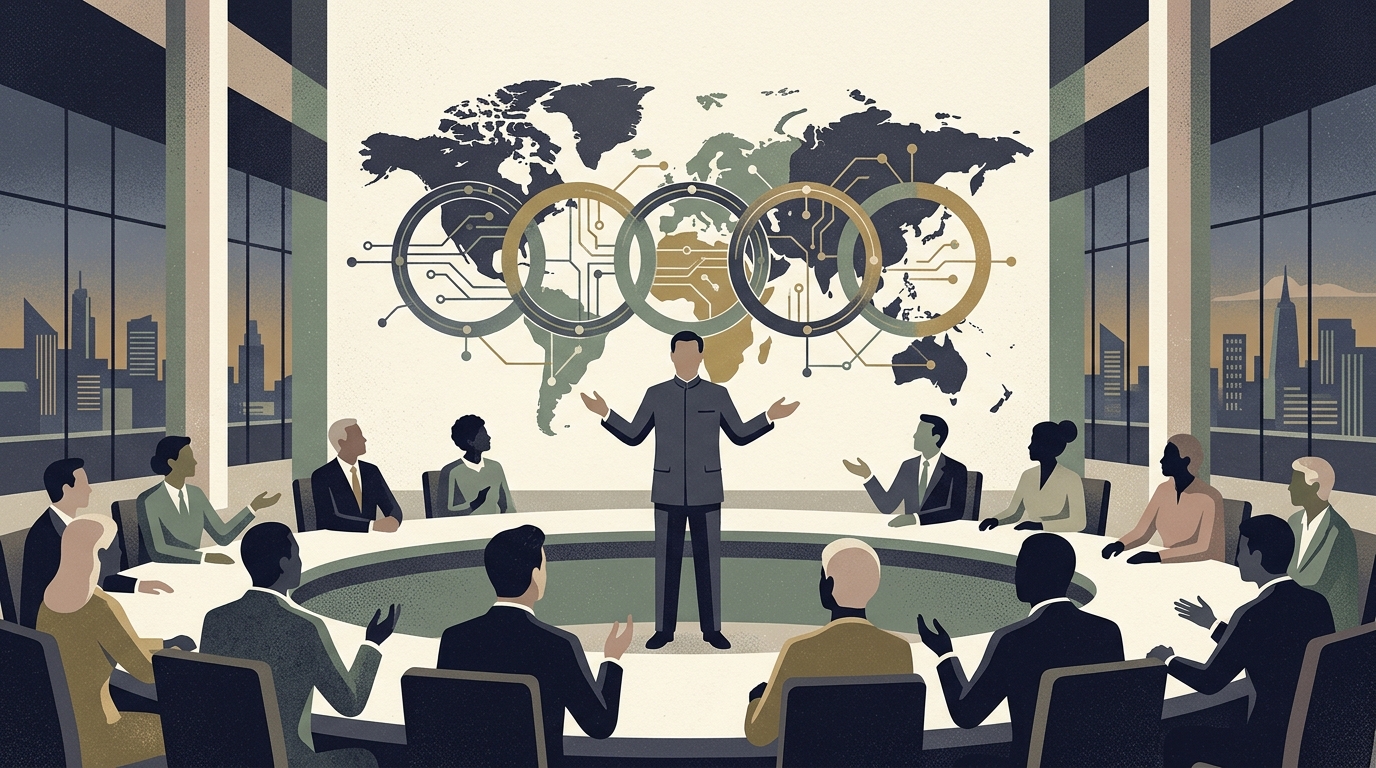
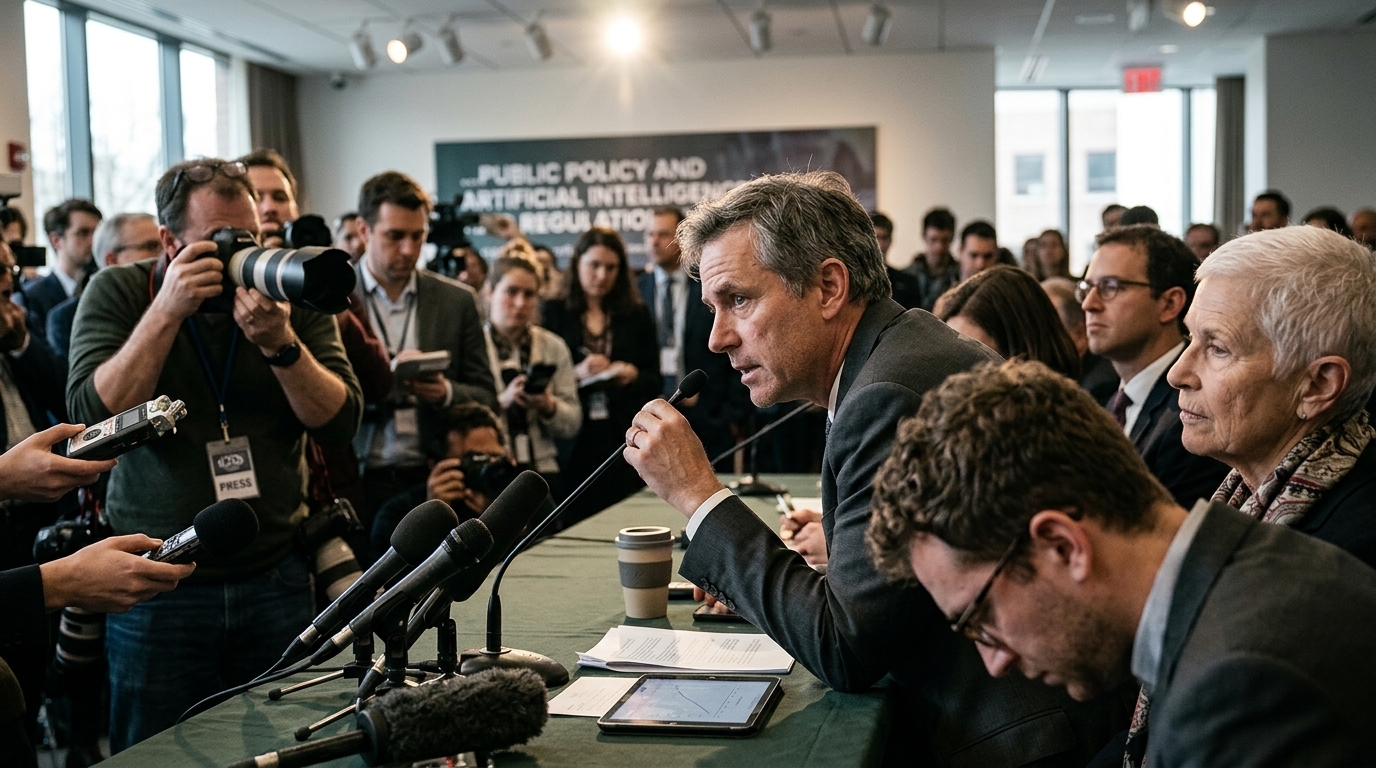
At the top of the 2026 agenda is the "AI Governance Alliance." The Forum argues that AI is no longer merely a productivity tool but a foundational infrastructure, akin to the power grid or the internet. However, concerns regarding the "intelligence gap" between developed and developing nations remain acute. According to recent WEF reports, without a coordinated international effort for knowledge transfer, 60% of the world's population risks being left behind in a new digital feudalism.
- The necessity for common safety standards in generative AI.
- Global-scale protection of intellectual property rights.
- The creation of "digital levees" against disinformation during election cycles.
Klaus Schwab, the Forum's founder, emphasized in a recent intervention that "technology without an ethical compass is a recipe for social disintegration." This shift toward "human-centric AI" is the WEF's response to criticisms that the organization serves only the interests of Silicon Valley and major investment firms.
Geopolitics of Fragmentation and the 'New Trade Reality'
The year 2026 is characterized by what WEF analysts call "Geopolitical Friction." The era of unhindered globalization has given way to a world of economic blocs. The Forum is attempting to maintain open channels of communication between the West and the "Global South," while also mediating the tense US-China relationship regarding semiconductors and critical raw materials.
"We are not merely experiencing an economic slowdown, but a structural transformation of how nations interact," notes the Global Risks Report 2026.
In this context, Europe is striving to find its own "strategic autonomy," balancing strict environmental regulations with the need for industrial competitiveness. The WEF promotes the model of "Stakeholder Capitalism," arguing that corporations must be accountable not only to their shareholders but to society and the environment. However, implementing this model faces resistance, especially in a period where inflation and the cost of living remain high.
Climate Crisis: From Promises to Implementation
Despite AI's dominance in discussions, climate change remains the existential risk that the Forum considers the number one threat for the next decade. The "First Movers Coalition," consisting of companies committed to purchasing green technologies even at a premium, has expanded in 2026 to new sectors like shipping and cement production. The challenge remains financing the transition in developing economies, where debt prevents investment in renewable energy sources.
In conclusion, the World Economic Forum in 2026 is trying to prove it remains relevant in a world that increasingly questions elites. Its success will not be judged by the brilliance of its conferences, but by its ability to persuade governments and the private sector to cooperate in addressing risks that know no borders. The next two years will be decisive in determining whether the vision of a "Great Reset" will transform into a sustainable reality or remain ambitious but hollow rhetoric.