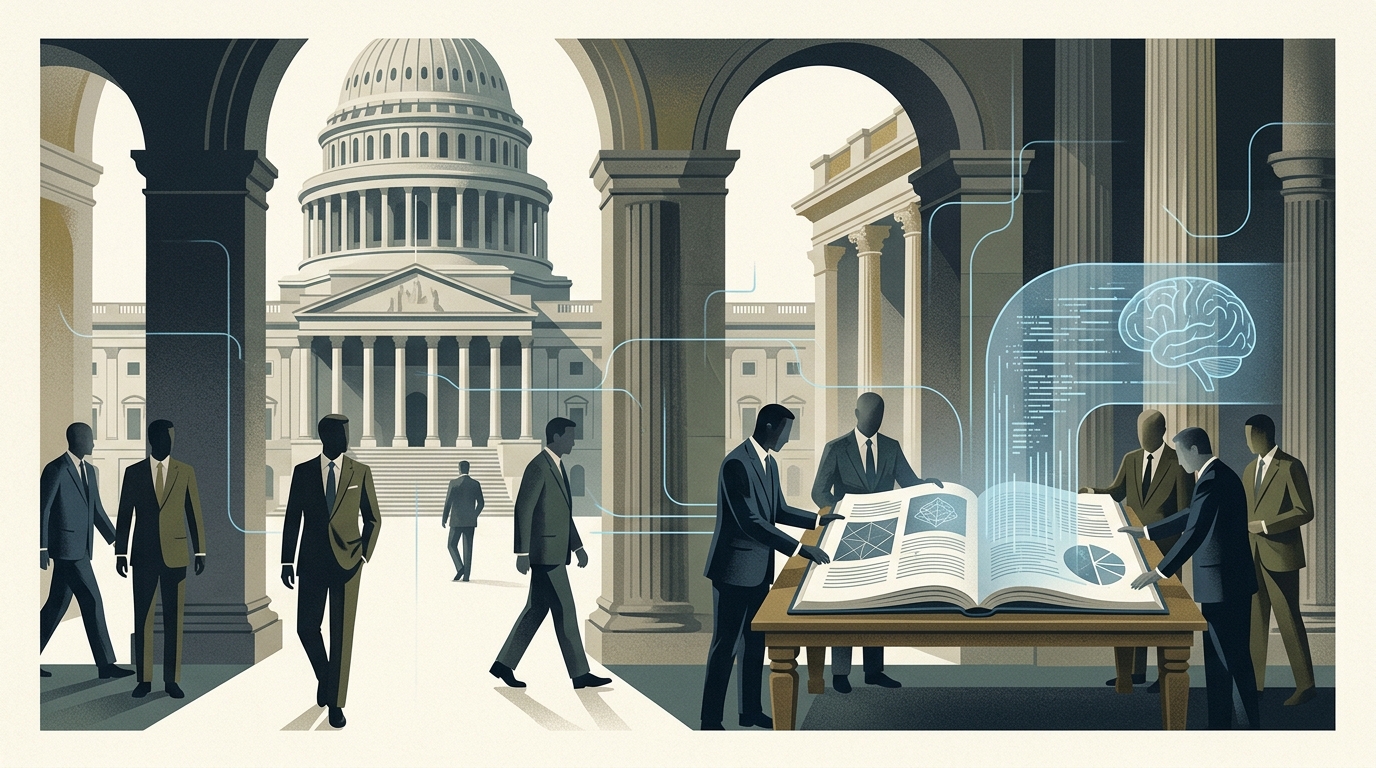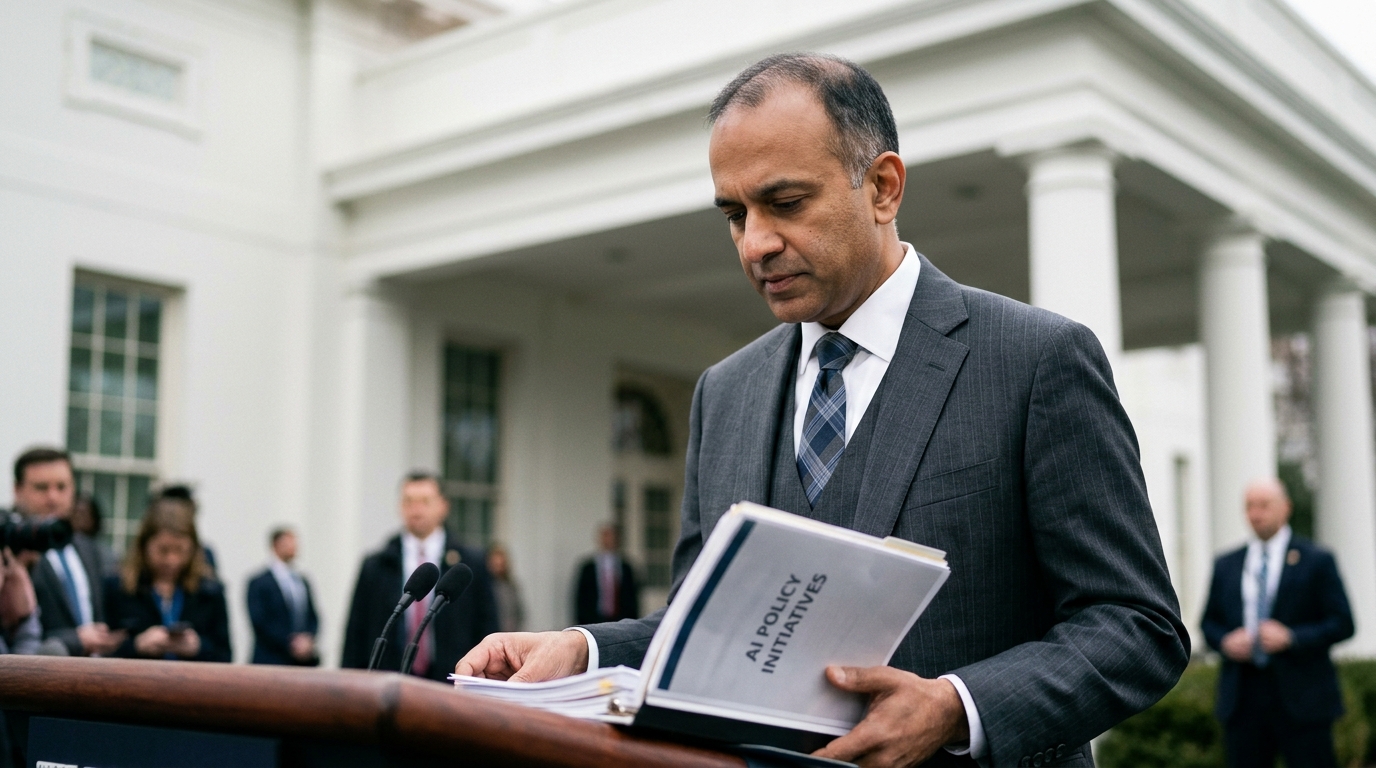
The news of Giri Krishnan’s departure, the top AI policy adviser at the White House Office of Science and Technology Policy (OSTP), has sent ripples through Washington’s power corridors. At a time when AI governance is the most pressing issue of national security and economic competitiveness, the loss of one of the primary architects of the 2023 Executive Order on AI raises serious questions about the future direction of American strategy.
Krishnan, who served as a central figure in bridging the gap between Silicon Valley tech giants and federal regulators, is leaving at a moment when the US regulatory framework is under constant scrutiny. His tenure was defined by a delicate balance: on one hand, the need for rigorous safety protocols to prevent existential risks, and on the other, the imperative not to stifle the innovation that keeps the US ahead of China.
The Legacy of 'Safe Innovation'
During his time at the White House, Krishnan was not merely a bureaucrat but the man who translated abstract concerns about AI into actionable policy. He was the key proponent behind the creation of the U.S. AI Safety Institute, an institution now regarded as the "gold standard" for evaluating frontier models.
- Drafting Executive Order 14110, which imposed new reporting obligations for companies developing powerful AI models.
- Coordinating international cooperation, including the Bletchley Declaration and subsequent summits in Seoul and Paris.
- Promoting AI use in the public sector to improve government services while safeguarding civil rights.
His departure is interpreted by many as the end of the "honeymoon period" for the industry. Sources close to the White House suggest that Krishnan felt the foundational pillars of policy have been established and that the next phase is about enforcement and codification, which requires a different set of skills.
Friction with Silicon Valley and Political Stakes
However, Krishnan’s path was not without obstacles. In recent months, voices from the "accelerationist" camp in Silicon Valley have grown louder, arguing that White House regulations are creating a "regulatory moat" that only favors incumbent players. Krishnan often found himself in the crosshairs, accused of being too focused on risks and not enough on opportunities.
"The challenge is not to stop Artificial Intelligence, but to ensure its development aligns with democratic values," he stated in a recent conference.
This departure also comes at a critical political juncture, as AI becomes a central theme in the electoral agenda. His replacement will send a strong signal: will the White House choose another safety advocate or someone who will push for faster deregulation?
Geopolitical Implications and the Path Ahead
On the international stage, Krishnan was the face of American AI diplomacy. His absence from upcoming international negotiations could create a leadership vacuum that the European Union, with its AI Act, or China, with its own strict but differently oriented regulations, might rush to fill. The stability of the American position is essential for maintaining global trust in the technology.
The remaining question is whether the OSTP can maintain its momentum without the person who knew every detail of the codes and algorithms that govern modern power. The market is watching closely, as tech stocks often react to personnel changes that affect the regulatory landscape. Krishnan’s succession will reveal whether the US continues on the path of "responsible innovation" or if we will see a shift toward a more aggressive technological nationalism.