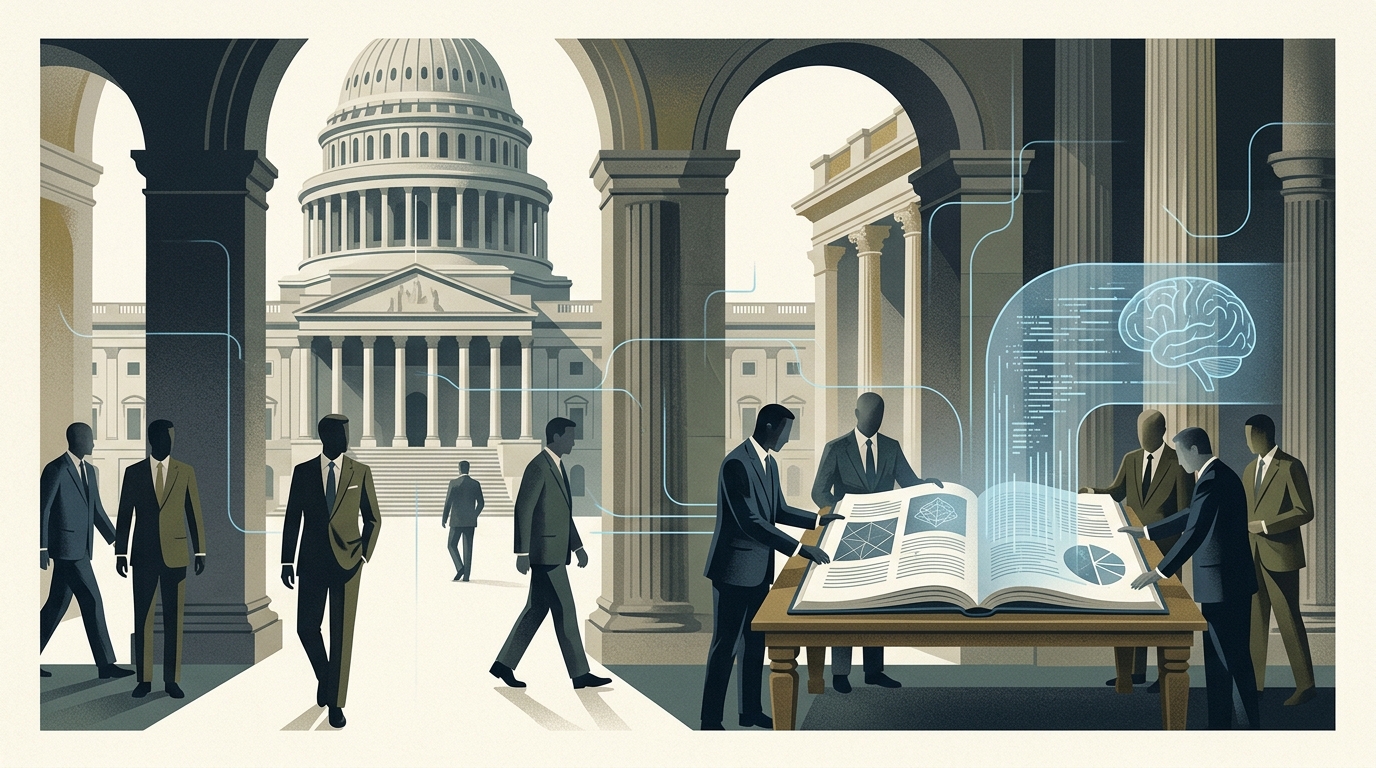
The dawn of the Artificial Intelligence (AI) era promised a new period of global prosperity, yet the reality unfolding on the ground seems far removed from this ideal. In a comprehensive and stern report, the United Nations warns that the rapid spread of AI technologies, instead of acting as an equalizer, risks consolidating and widening existing global inequalities. The concentration of computational power, data, and talent within a few nations of the Global North and a handful of tech giants is creating a "digital wall" that leaves the majority of humanity on the sidelines.
The Widening Chasm in the Intelligence Age
The report by the UN High-Level Advisory Body on Artificial Intelligence emphasizes that access to necessary infrastructure remains profoundly unequal. While the United States and China dominate investments and research, many countries in Africa, Latin America, and Southeast Asia still lack the basic prerequisites: stable electricity, high-speed broadband, and a skilled workforce. Without these, the possibility of developing indigenous AI solutions is practically zero.
According to UN analysts, this inequality is not merely technical but structural. AI is fueled by data, and the data used to train Large Language Models (LLMs) originates primarily from the Western world. This leads to cultural and linguistic homogenization, where local languages, traditions, and the needs of developing nations are ignored or misinterpreted by algorithms. What some call "digital colonialism" is the process by which developing countries are turned into mere consumers of technology and providers of raw data, without having a say in the design or control of the systems that affect their lives.
Power Concentration and the Specter of Monopolies
One of the most alarming points in the report concerns the monopolistic nature of the current AI market. Developing frontier models requires billions of dollars in capital and access to specialized processors (GPUs) controlled by a very small number of companies. The UN points out that this "intelligence oligarchy" could lead to a situation where global decisions on ethics, safety, and the use of AI are made in corporate boardrooms rather than democratic forums.
"We cannot allow the most transformative technology of our time to become a tool for further dividing the world into haves and have-nots," the report states. "AI governance must be global, inclusive, and oriented toward the public good."
The economic impact is equally severe. While AI promises productivity gains, the fear is that these profits will accumulate in the Global North, while the Global South faces massive job displacement in sectors like services and manufacturing, without having the means to retrain its workforce.
The UN’s Blueprint: Towards Global AI Governance
To mitigate these risks, the UN proposes a series of radical interventions. First, the creation of a Global AI Fund to finance infrastructure and training programs in developing nations. Second, the establishment of a framework for "open science" and data sharing, ensuring that researchers worldwide have access to the tools they need.
Furthermore, the report suggests founding an international scientific body for AI, modeled after the Intergovernmental Panel on Climate Change (IPCC), to provide objective assessments of the technology's risks and opportunities. The idea is to shift the center of gravity from voluntary corporate self-regulation to a binding international legal framework that protects human rights and promotes equity.
The Challenge for the Global Community
In this global landscape, the international community stands at a critical juncture. While some regions, like the EU with its AI Act, have taken steps toward regulation, the challenge remains to foster innovation without sacrificing equity. For developing nations, the priority must be building "sovereign AI" capabilities—systems that reflect their own languages and social realities.
In conclusion, the UN’s warning is a clarion call. Artificial Intelligence is not a neutral technology; it is a mirror of our social structures. If we do not intervene now with policies that promote justice and access, we risk creating a world where intelligence becomes the ultimate privilege of the few, at the expense of the many. The trajectory of AI will be determined not by the code itself, but by the political will to share its benefits across all borders.