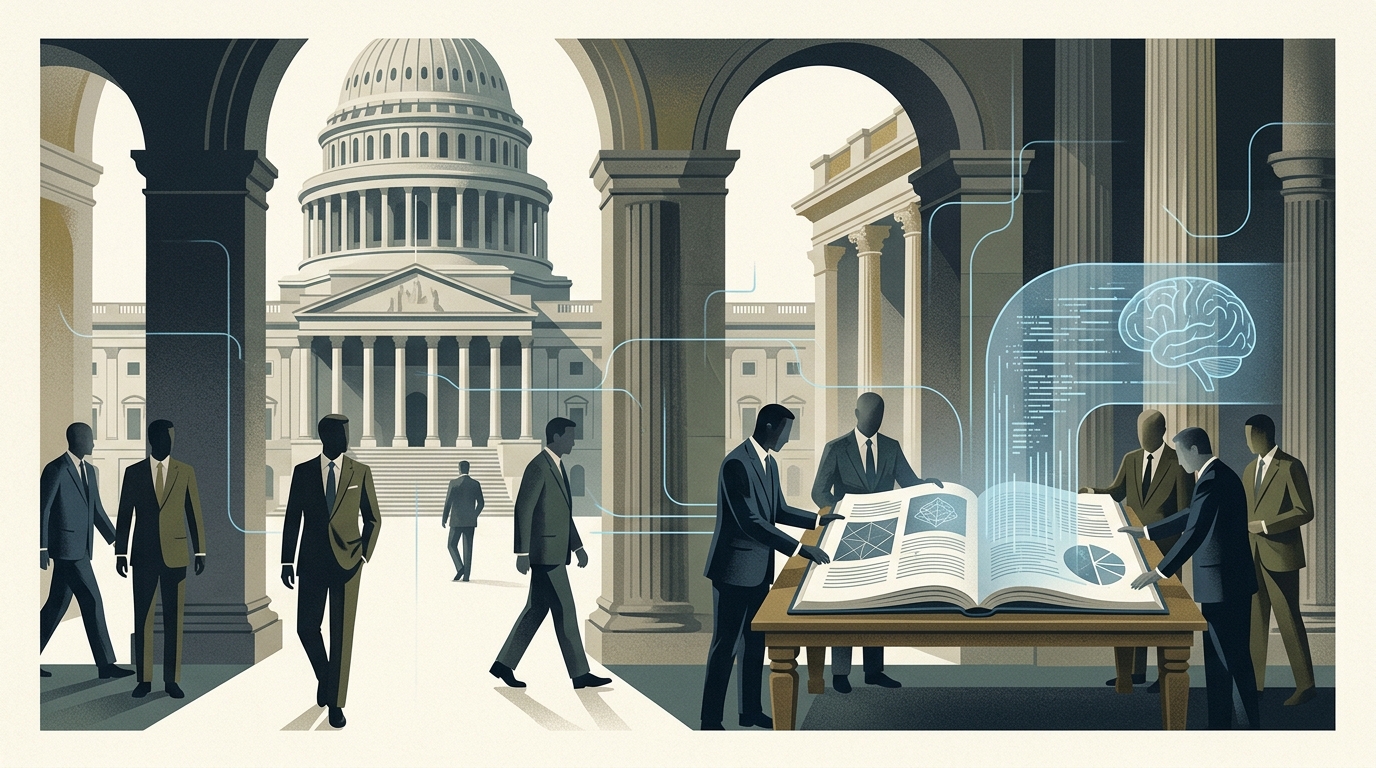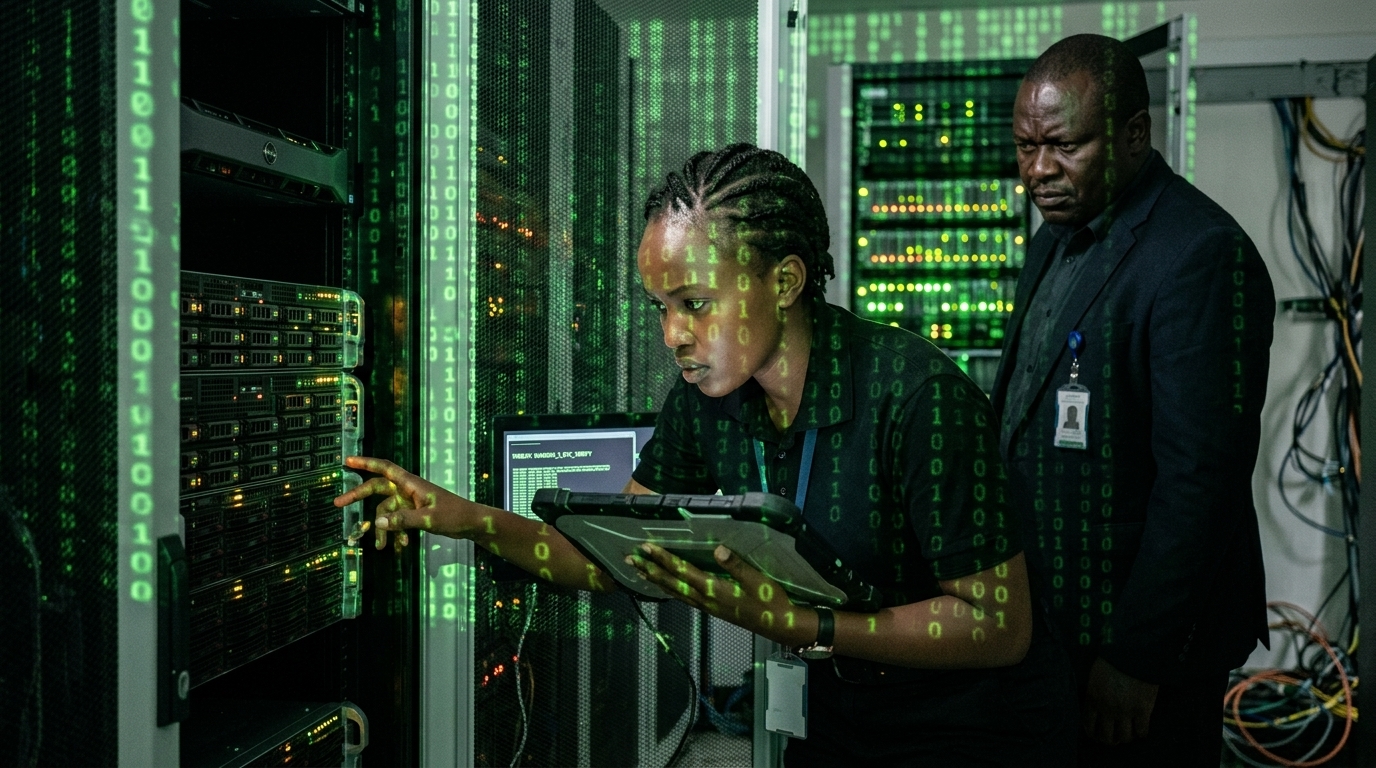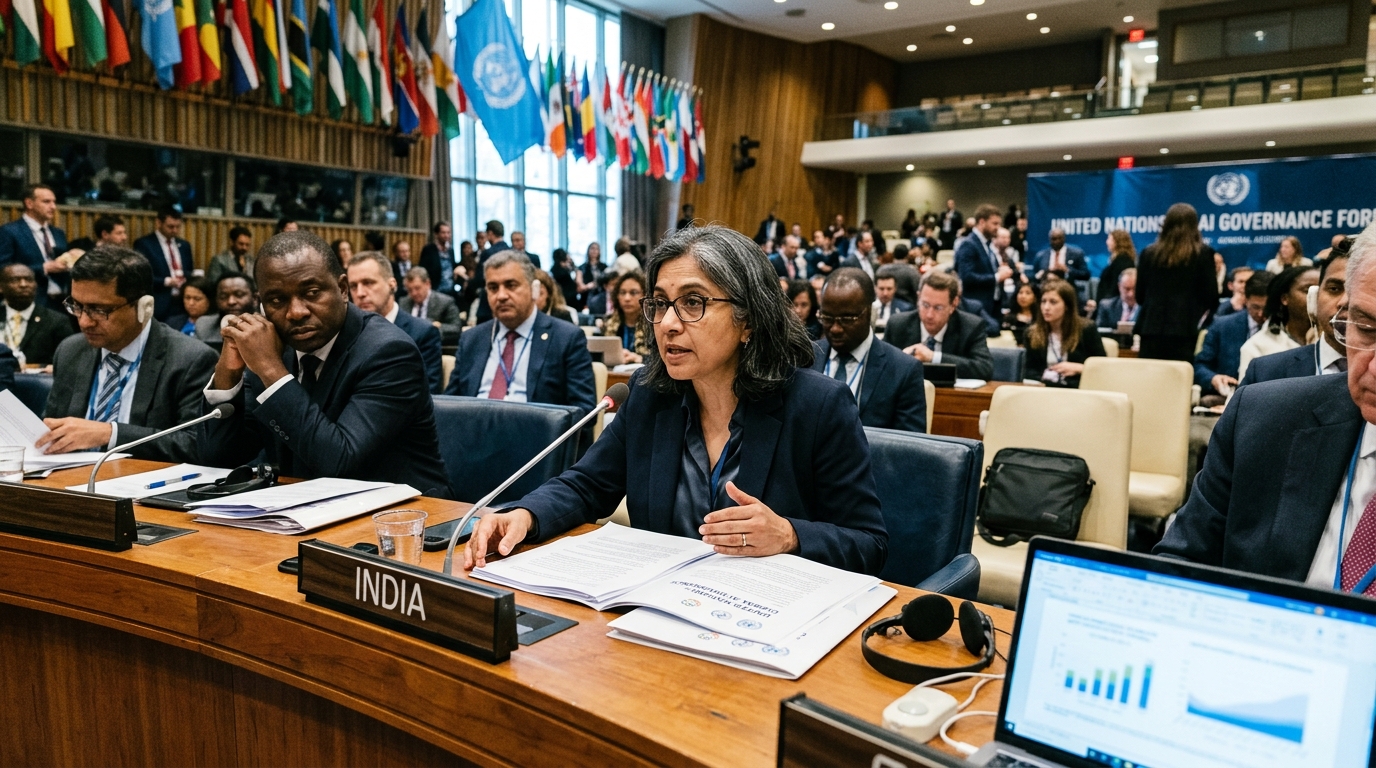
In a historic pivot for the digital era, the United Nations (UN) is escalating pressure on member states to adopt a stringent, binding governance framework for Artificial Intelligence (AI). As we move through 2026, AI is no longer a futuristic scenario but a daily reality reshaping economies, societies, and the very nature of warfare. The recent call from the Secretary-General and high-level advisory bodies underscores that the era of "voluntary compliance" by tech giants has come to an end.
From Declarations to Binding Agreements
For years, the discourse within the UN centered on ethical guidelines and non-binding documents, such as UNESCO's Recommendations. However, the rapid advancement of Large Language Models (LLMs) and the integration of AI into critical infrastructure have created a security vacuum that national legislations cannot fill in isolation. The proposal currently under debate involves the creation of an international agency, modeled after the International Atomic Energy Agency (IAEA), which would have the authority to inspect and certify the most powerful AI models before their public release.
The UN's core argument is that AI constitutes a "global public good" and, therefore, its management cannot be left solely in the hands of private corporations or competing superpowers. The need for algorithmic transparency and accountability for decisions made by automated systems is now imperative, especially when these decisions impact human rights or access to essential resources.
Autonomous Weapons and the Threat to Global Peace
One of the darkest aspects of the current debate concerns Lethal Autonomous Weapons Systems (LAWS). The UN warns that an AI arms race could lead to conflicts escalating at speeds beyond human control. "Algorithmic wars" are no longer science fiction. The international community is pushing for a treaty that would ban the use of AI in weapon systems capable of selecting and engaging targets without human intervention (human-in-the-loop).
"Artificial intelligence must be at the service of humanity, not an autonomous arbiter of life and death," a UN spokesperson stated.
Concerns also extend to cybersecurity. AI's ability to generate sophisticated malware or orchestrate mass disinformation campaigns (deepfakes) threatens the integrity of electoral processes worldwide. Without a universally accepted framework for "digital watermarking" and the identification of AI-generated content, truth risks becoming a scarce commodity.
Geopolitical Balance and the Global South
A critical point of the new UN initiative is the prevention of "digital neo-colonialism." Currently, AI development is concentrated in a handful of countries (USA, China) and even fewer companies. The Global South risks being left behind, using technologies not designed for its specific needs, languages, or cultural contexts. The UN calls for knowledge transfer and the creation of infrastructure that will allow developing nations to participate equitably in the AI revolution.
However, implementing these rules faces staunch resistance. The US fears that over-regulation will stifle innovation and grant an advantage to China, which in turn utilizes AI for domestic surveillance. While the European Union, with its AI Act, has led the way, the UN maintains that a regional framework is insufficient for a technology that knows no borders.
Conclusion: A Challenge for the 21st Century
The battle for AI control is, in reality, a battle for the values that will govern the 21st century. Will it be a century where technology enhances freedom and prosperity, or one of algorithmic authoritarianism? The UN's call for stricter rules is perhaps the last opportunity for humanity to lay the foundations for a safe coexistence with machine intelligence. The success of this endeavor will depend on the ability of major powers to set aside their rivalries in the face of a shared, existential risk.