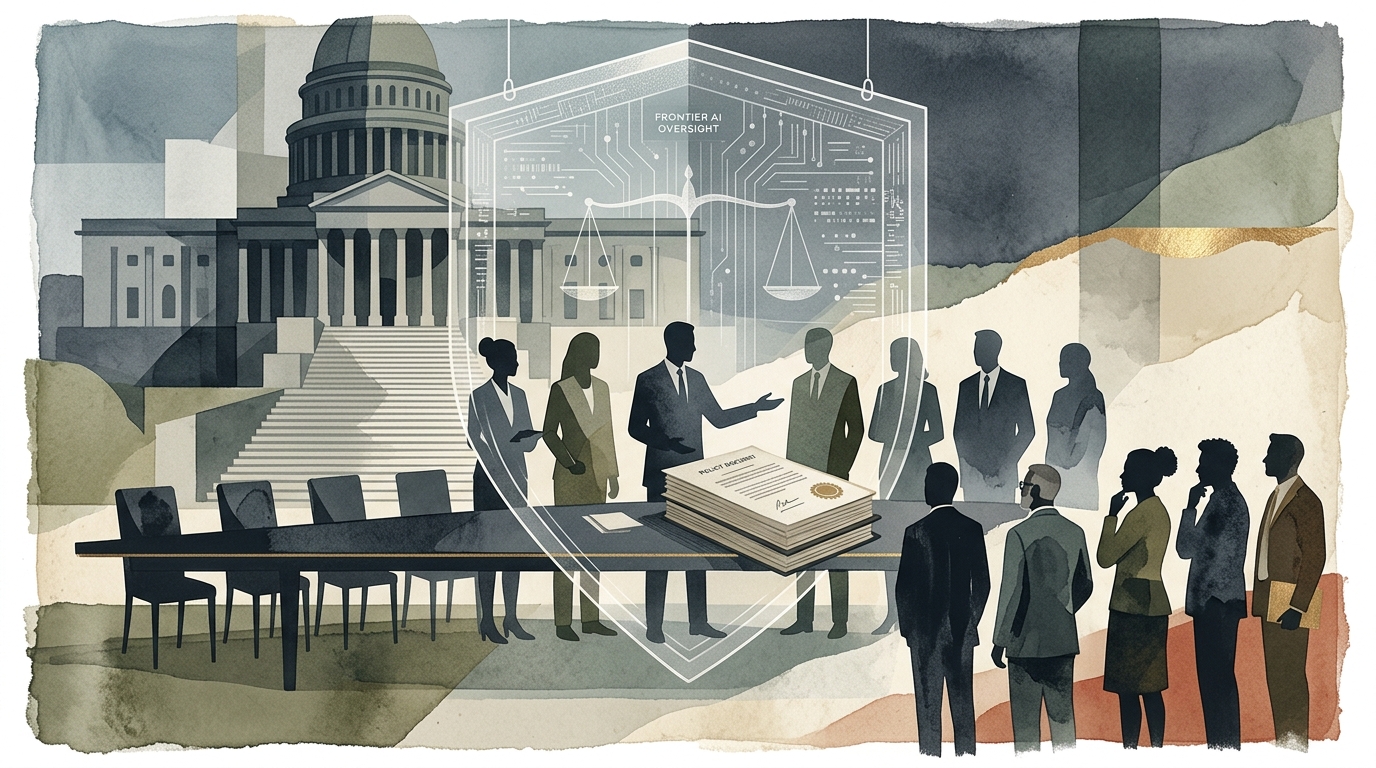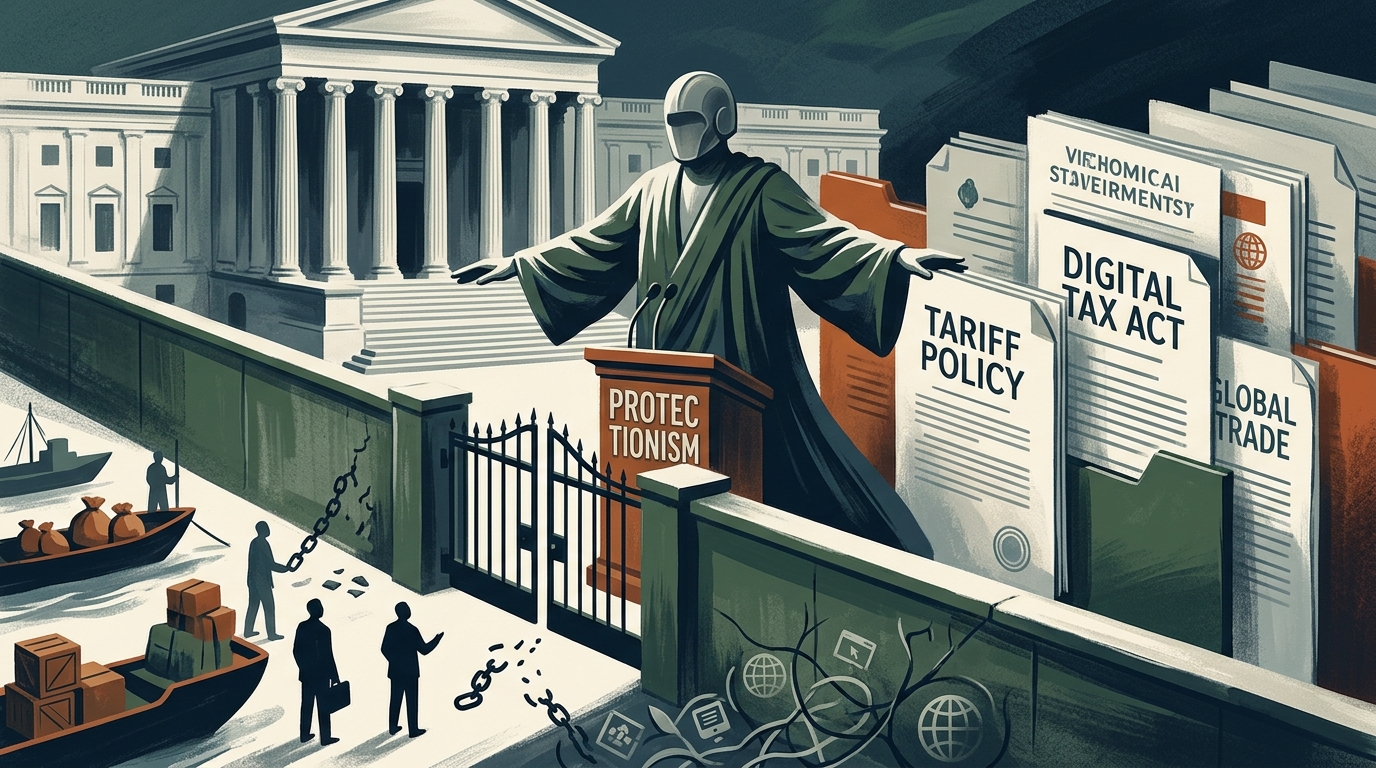
In a move that threatens to shatter the already fragile transatlantic trade relationship, President Donald Trump has announced his intention to impose 100% tariffs on goods from countries that persist in implementing Digital Services Taxes (DST). The announcement, delivered during a White House address on Friday, June 26, 2026, directly targets the European Union and the United Kingdom, which have led the global charge to tax the revenues of US tech giants like Google, Amazon, and Meta.
This move represents the most aggressive escalation in a dispute that has been simmering for nearly a decade. The United States has consistently maintained that these taxes are "discriminatory" and unfairly target American businesses, while European governments argue that these companies derive massive profits from their citizens without paying a fair share of taxes in the jurisdictions where value is created.
The Collapse of Multilateral Diplomacy
Trump’s threat comes at a critical juncture for the OECD (Organisation for Economic Co-operation and Development), which has spent years attempting to implement a global tax overhaul known as "Pillar One." This agreement was designed to reallocate taxing rights, allowing countries to tax a portion of multinational profits regardless of physical presence, in exchange for the repeal of unilateral digital taxes.
However, the new US administration appears to be abandoning the diplomatic path entirely. "We will not allow foreign powers to loot our most successful companies," Trump stated. "If you want to tax our tech, we will tax your cars, your wines, and your luxury goods at 100%. The era of America footing the bill is over."
Economic Implications and Consumer Fallout
A 100% tariff is not merely an economic hurdle; it is a trade embargo in all but name. If implemented, European products such as French wines, Italian leather goods, and German automobiles would effectively double in price in the US market, making them virtually inaccessible to the average consumer. The ripple effects would be felt across global supply chains, potentially leading to retaliatory measures that could stifle international commerce.
The European Commission reacted swiftly, with a spokesperson stating that the EU is prepared to respond with its own countermeasures. "International taxation must be based on rules, not blackmail," the statement from Brussels read. Nevertheless, EU internal unity is being tested, as some member states fear an all-out trade war could plunge the continent into a deep recession, especially as they struggle with energy costs and the ongoing transition to green technology.
Tech Sovereignty as a Geopolitical Battlefield
Beneath the surface of the tariff threats lies a deeper geopolitical struggle for control over the digital economy. The US views Big Tech as its strategic vanguard in the competition with China. Any attempt to limit or tax these companies is perceived by Washington as an assault on US national security and economic dominance.
Conversely, Europe is striving for "digital sovereignty," attempting to reduce its reliance on American infrastructure and ensure that the wealth generated by European citizens' data remains within its borders. This conflict now seems inevitable, as neither side shows a willingness to compromise on their core economic philosophies.
"We are witnessing a tectonic shift in global trade. The transition from cooperation to protectionism will have no winners, only losers among consumers and innovators." — Trade Analyst, Brookings Institution.
As we move further into 2026, the global market is holding its breath. The coming months will reveal whether Trump's threats are a high-stakes negotiating tactic or the beginning of a new, darker era for international trade and the digital economy.