The relationship between Washington and Silicon Valley is entering a new, turbulent phase. As we move through the summer of 2026, President Trump’s administration has taken the unprecedented step of imposing restrictions on the release of OpenAI’s highly anticipated next-generation model. This move, coming at a time of increasing state involvement in the internal processes of tech giants, marks the end of the era of "unregulated innovation" and the beginning of an epoch where artificial intelligence is treated as a strategic weapon, akin to nuclear energy.
National Security as a Battering Ram
According to sources from the National Desk, the administration's intervention is not merely about data security but a broader "America First" strategy in the realm of algorithms. The Trump administration argues that the premature release of models with capabilities approaching Artificial General Intelligence (AGI) could expose critical US infrastructure to foreign threats, particularly from China and Russia. This rhetoric isn't new, but its implementation through executive orders that freeze commercial product launches is a radical shift in direction.
The Fact Check Team reports that OpenAI, which once started as a non-profit research lab, is now at the center of a political maelstrom. The growing presence of government officials on the board and close cooperation with the Department of Defense have transformed the company into a semi-state conduit of technological power. Critics of the decision argue that this limitation will allow international competitors to close the gap, while supporters believe that "safety precedes speed."
The Internal Transformation of OpenAI
OpenAI is no longer the company we knew in 2023. Following successive restructurings, Microsoft’s influence remains strong, but the "shadow" of the White House has become clearly visible. The Trump administration has reportedly requested a "right of first refusal" on specific model capabilities related to cybersecurity and cryptography. This means the general public may never see the full potential of the technology, as the most powerful functions will remain locked for exclusive use by state agencies.
- Restrictions on exporting code to "unfriendly" nations.
- Mandatory auditing of algorithms by government experts before release.
- Integration of "digital watermarks" to allow tracking of all generated content.
These measures have sparked intense reactions from the open-source community, which sees an attempt to monopolize knowledge by the US government. OpenAI finds itself in a difficult position: on one hand, it must satisfy shareholders demanding profits, and on the other, comply with national security requirements set by Washington.
The Economic Dimension and Market Reaction
The news of the "freeze" on the new model caused immediate turmoil in international markets. Shares of companies relying on the OpenAI ecosystem saw a decline, as uncertainty grows regarding when and how the technology will be deployed. The Trump administration appears to believe that AI control is more important than immediate stock market gains, a stance that clashes with the traditional laissez-faire approach of Republicans toward the economy.
"This is no longer a commercial product; it is a national asset. Whoever controls the model controls information and, by extension, power," says a Washington policy analyst.
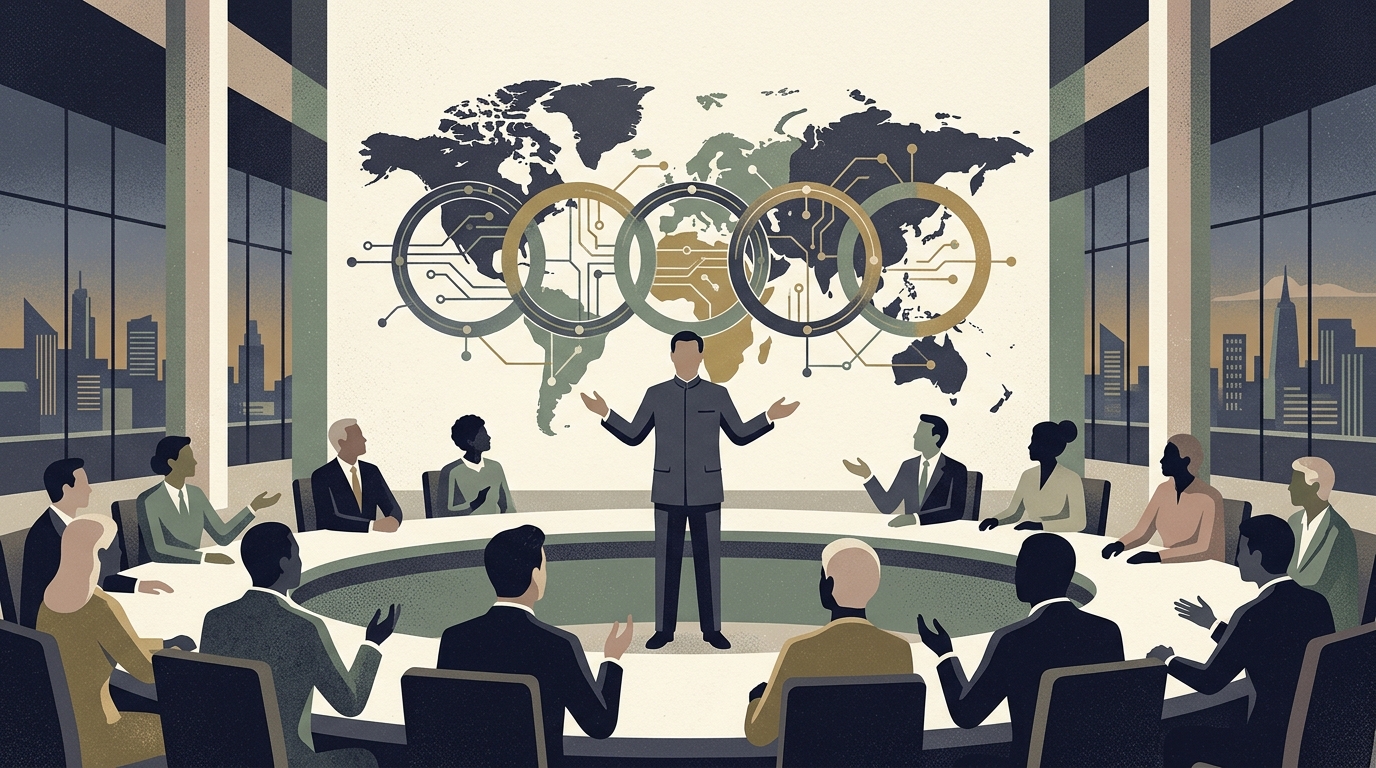
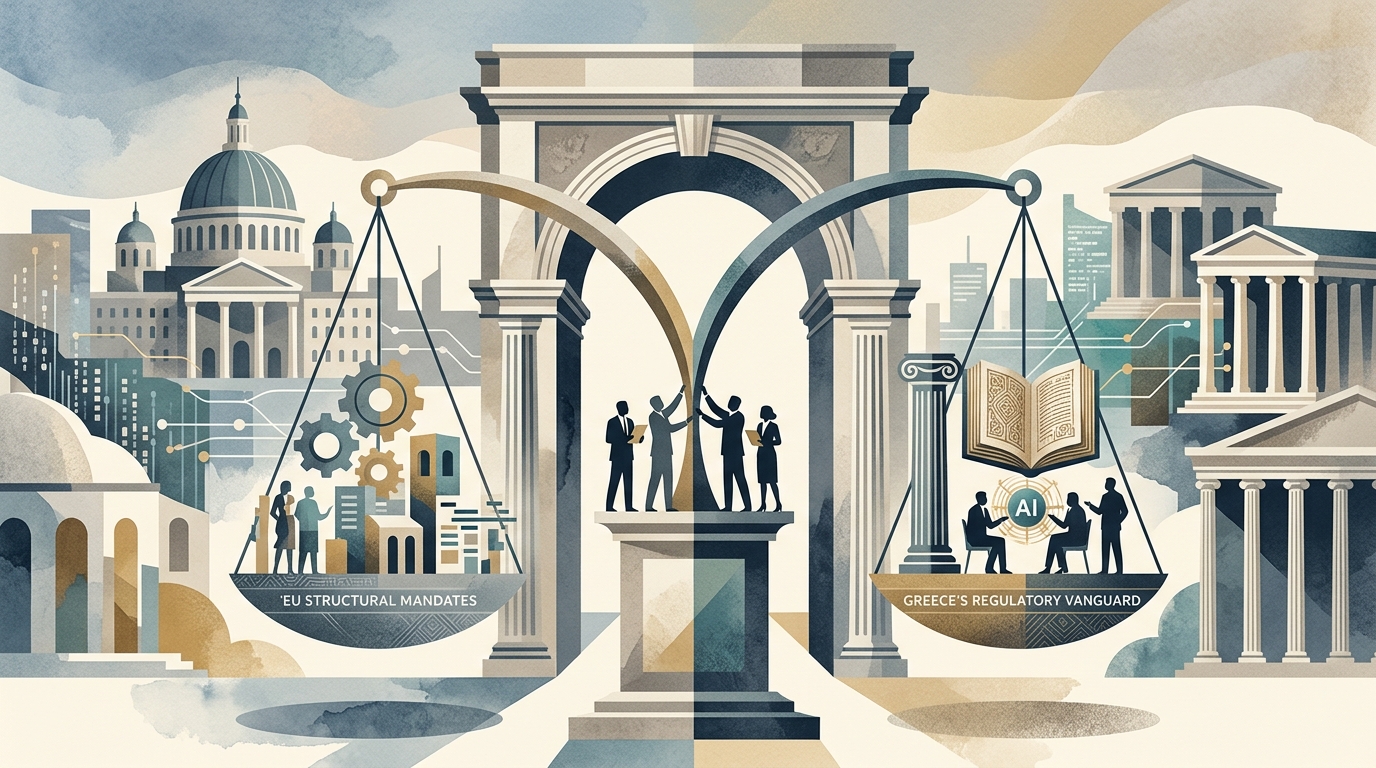
In this context, the European Union is watching with concern. If the US adopts a protectionist policy in AI, Europe risks being left behind, dependent on "crippled" versions of American models. This move could trigger a global AI arms race, where every nation attempts to develop its own, fully controlled systems.
Conclusion and Outlook
The Trump administration's decision to limit OpenAI represents a milestone for the 21st century. It shows that technology has transcended the boundaries of business and become an integral part of state sovereignty. For citizens, this means that access to the most advanced technology will now be filtered by political and military criteria. The remaining question is whether this approach will truly protect the West or lead to an isolated and less innovative technological reality.