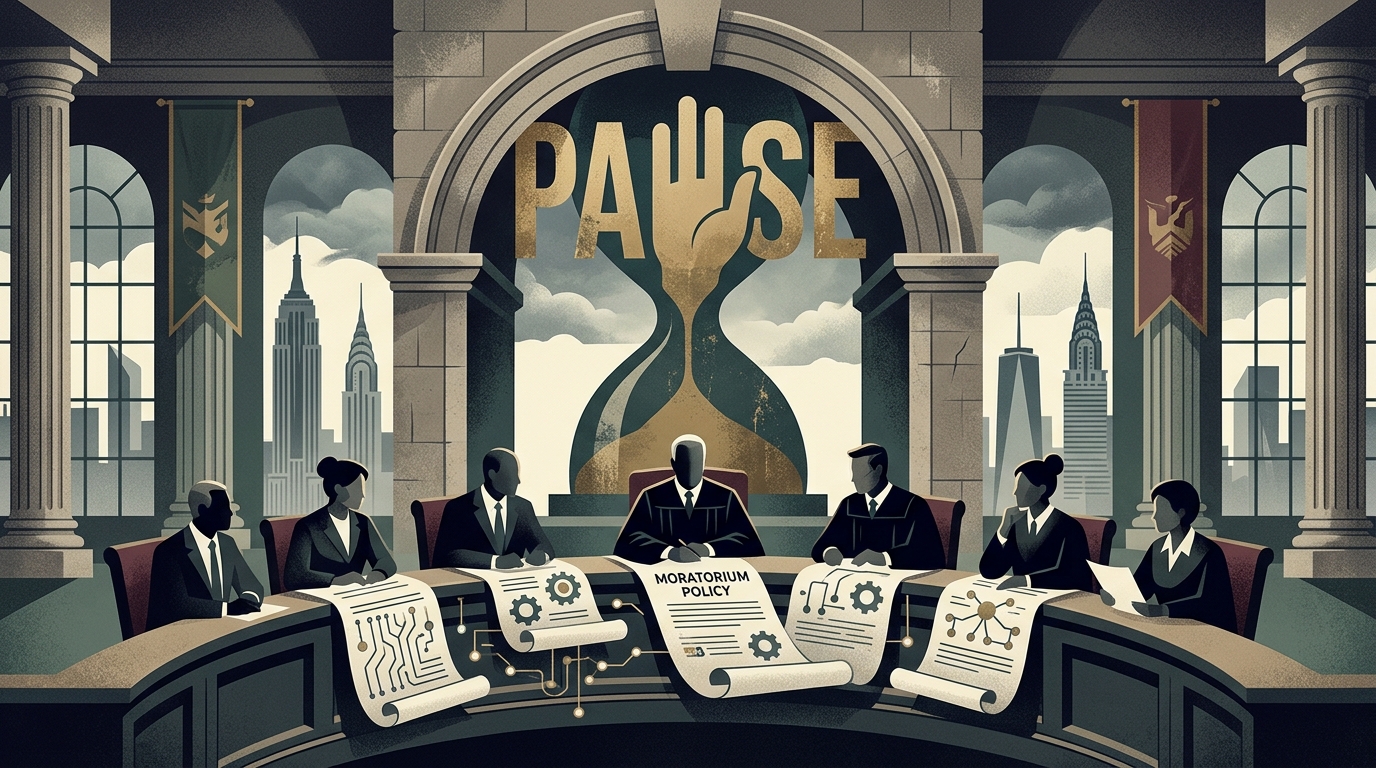
In a move that has sent shockwaves through both the corridors of Washington and the boardrooms of Silicon Valley, the Trump administration has announced it is lifting the stringent export controls previously imposed on Anthropic’s next-generation AI models, known as Mythos and Fable. This decision comes just weeks after an initial order suspended access for foreign nationals, highlighting a deep-seated internal conflict within the administration regarding how to manage American AI hegemony.
A Strategic Pivot: From Containment to Expansion
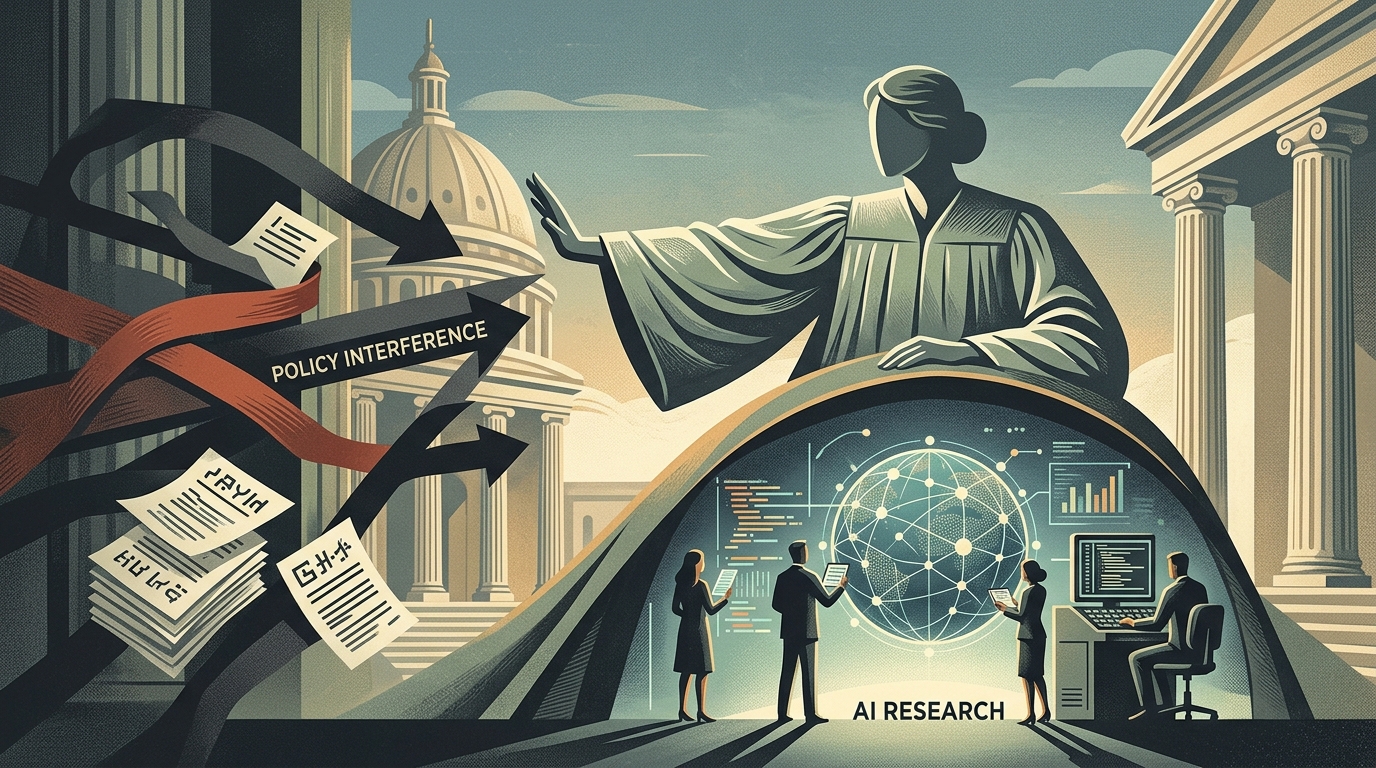
The original imposition of restrictions was justified on the grounds of national security. Intelligence agencies had raised alarms that the Mythos and Fable models, with their unprecedented capabilities in strategic planning and code analysis, could be weaponized by adversarial powers for cyber warfare or the development of biological agents. However, the White House’s new direction suggests a shift in doctrine: American power is no longer secured by keeping technology under lock and key, but by ensuring it becomes the global standard before competitors like China can seize the initiative.
According to sources close to the Department of Commerce, pressure from Anthropic’s investors and broader business circles was immense. The argument was straightforward: if the U.S. does not export its own "safe" models, the rest of the world will turn to open-source alternatives from China or Europe, diminishing Washington’s influence over global AI safety standards.
Mythos and Fable: The New Crown Jewels
The Mythos and Fable models are not merely incremental upgrades to their predecessor, Claude. Mythos is designed to function as a "collective brain" for large organizations, capable of processing billions of parameters in real-time with a form of "conscious" reasoning that edges closer to Artificial General Intelligence (AGI). Fable, conversely, focuses on complex narrative generation and social engineering simulations—tools deemed invaluable for diplomacy but potentially dangerous for mass opinion manipulation.
"Technology is no longer a product; it is a tool of geopolitical leverage," said a senior administration official. "If we constrain Anthropic, we constrain America itself."
Anthropic, a company that has long branded itself as "safety-first," now finds itself in a precarious position. While the lifting of controls promises massive revenue growth and global reach, the company must ensure its models are not co-opted for malicious purposes in jurisdictions where oversight is difficult to maintain.
Reactions and Residual Risks
The move has not been without its detractors. Democratic senators and AI ethics experts warn that the White House is playing a high-stakes game. The potential for model weights to leak or for foreign agencies to perform reverse engineering remains a tangible threat. Furthermore, the European Union is watching with skepticism, as a sudden influx of powerful American models could undermine efforts to foster domestic, regulated AI solutions.
- The decision directly impacts cloud computing agreements with Saudi Arabia and the UAE.
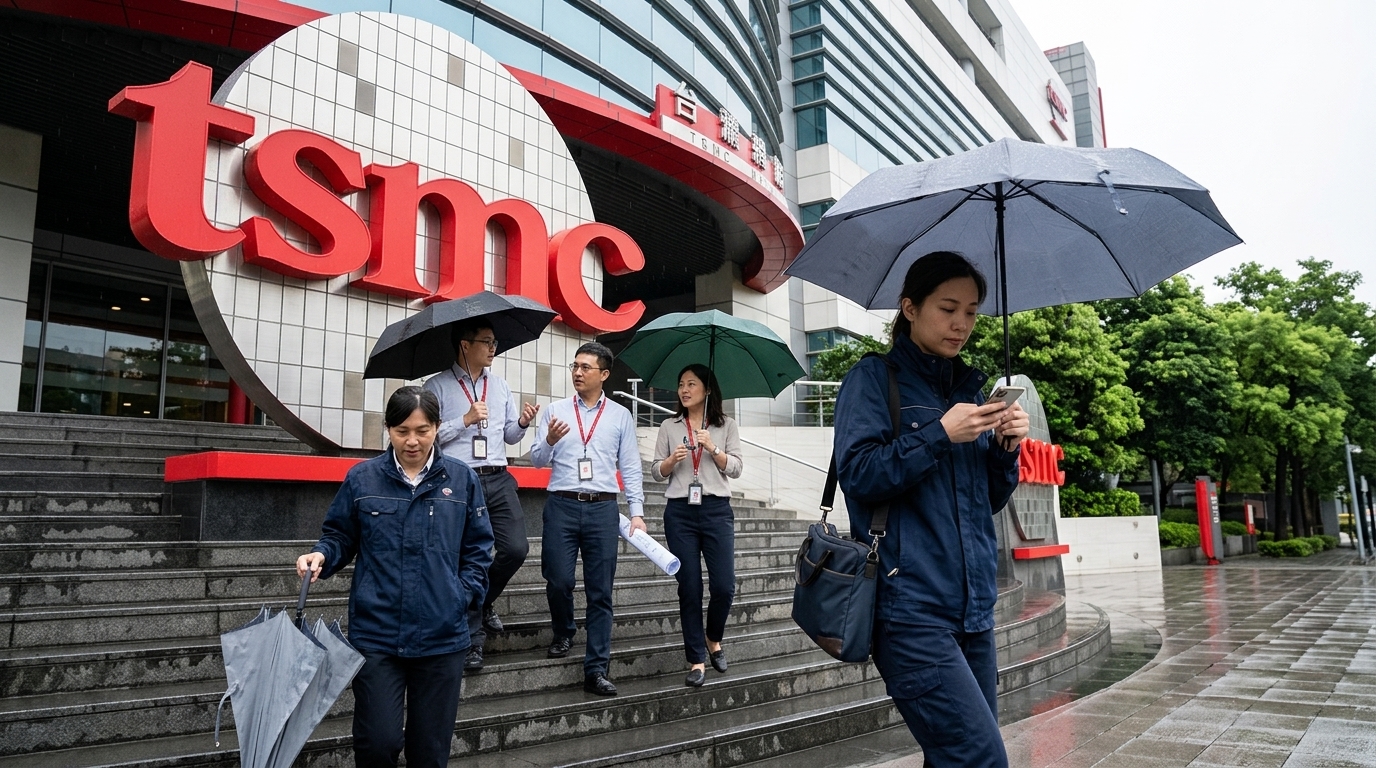
- Semiconductor stocks rallied following the announcement.
- Rumors persist regarding secret clauses allowing the U.S. government "backdoor" access to monitor foreign usage of the models.
In conclusion, the decision regarding Mythos and Fable marks the end of the era of "digital fencing" and the beginning of an aggressive export-led policy. The Trump administration is betting that American innovation can outrun the risks it creates. Whether this gamble leads to a new era of prosperity or an uncontrollable AI arms race remains to be seen.