By early 2026, the digital sphere looks nothing like the internet of the previous decade. The era of long-form texts and thoughtful analysis has given way to a storm of "clips"—short, lightning-fast video snippets designed to bypass logic and target emotion directly. What analysts are calling "The Clippening" is not just a change in content format, but a radical restructuring of how humans consume information and form opinions.
The case of Dan Bongino, the former FBI official turned into one of the most powerful podcasters in the US, provides the perfect example. After exiting traditional media, Bongino didn't invest in a classic television comeback, but in a "fragmentation" strategy. Every episode of his podcast is sliced into dozens of small videos, tailored for TikTok, Instagram Reels, and YouTube Shorts. This tactic, often referred to as "clavicular marketing" due to the emphasis on close-up shots focusing on facial expressions, has created a new standard for success: a creator's reach is no longer measured by the quality of dialogue, but by their ability to produce "highlights" that go viral instantly.
The Alchemy of Attention and the Rise of Micro-Content
The Clippening is driven by relentless algorithmic competition. Platforms like TikTok have trained users to expect instant gratification. According to recent studies, the average attention span of a user before deciding to "scroll" has dropped below three seconds. This forces content creators, from MrBeast to political commentators, to use aggressive editing techniques, bright colors, and flashing subtitles to hold the viewer's gaze.
However, the cost of this success is the loss of context. When an hour-long discussion on economic policy or human rights is condensed into a 45-second clip, the nuances disappear. What remains is a "soundbite" that often distorts the speaker's original intent. In the political arena, we are already seeing this phenomenon affect national discourse, with parties investing more in "viral" moments from parliament than in substantive policy proposals. Political communication is transforming into a series of "knock-out" moments, where the goal is not persuasion, but the humiliation of the opponent in a short video.
The Industrialization of Viral: The MrBeast Model
Jimmy Donaldson, known as MrBeast, was the pioneer of this approach. His empire is built on scientific data analysis: which thumbnail gets the most clicks, at what second viewers drop off, which word in the title triggers the most curiosity. This "industrialization" of creativity has led to a homogenization of content. Today, thousands of creators copy the MrBeast style—fast cuts, exaggerated expressions, constant movement—creating a digital environment that resembles an endless, noisy playground.
The problem arises when this model is applied to serious social and political issues. The "politics of the clip" favors populism and polarization. It is much easier to create a viral clip that triggers anger or fear than one that explains a complex legislative regulation. Thus, the algorithm acts as an invisible curator that promotes the extreme and the simplified, marginalizing moderation and logic.
Toward a Policy of Attention Regulation?
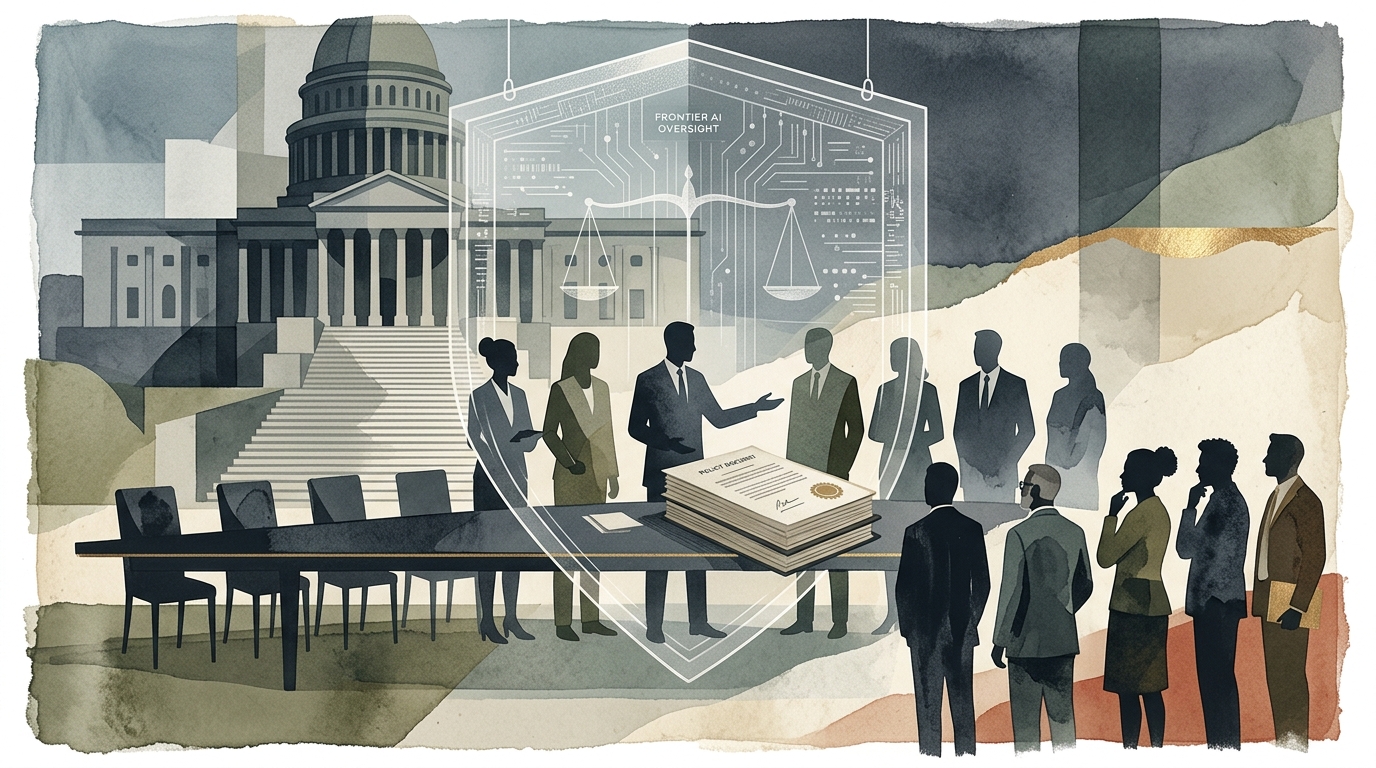
As The Clippening continues to reshape the public sphere, regulators in Europe and the US are beginning to wonder if the "attention economy" needs boundaries. There are proposals for imposing greater transparency on recommendation algorithms and mandatory labeling for content edited with the intent to mislead. However, technology always moves faster than legislation.
The real question is whether we, as citizens and consumers, can regain our capacity for deep reading and focused viewing. Resisting The Clippening is not a battle against technology, but a battle to protect human judgment. If we allow our reality to be fragmented into thousands of disconnected clips, we risk losing the big picture—and with it, democracy itself.