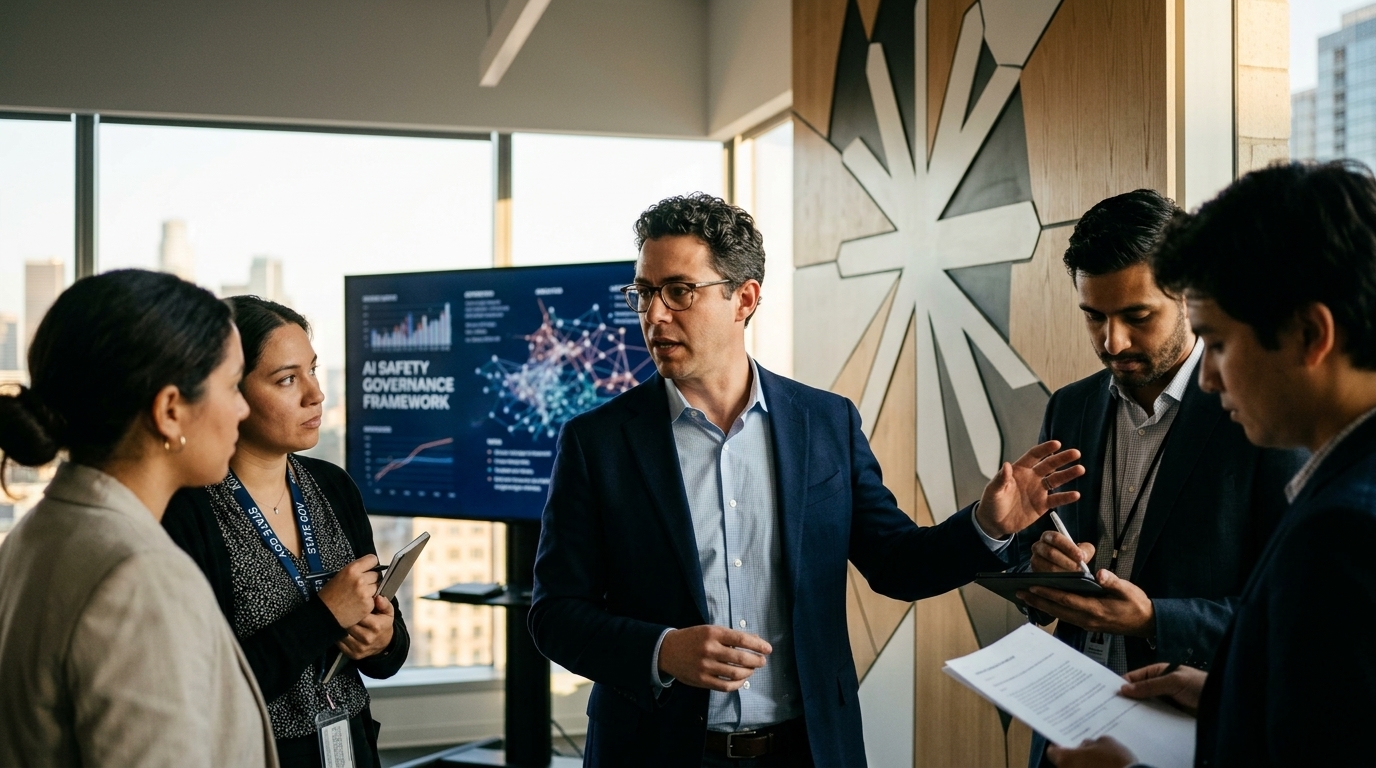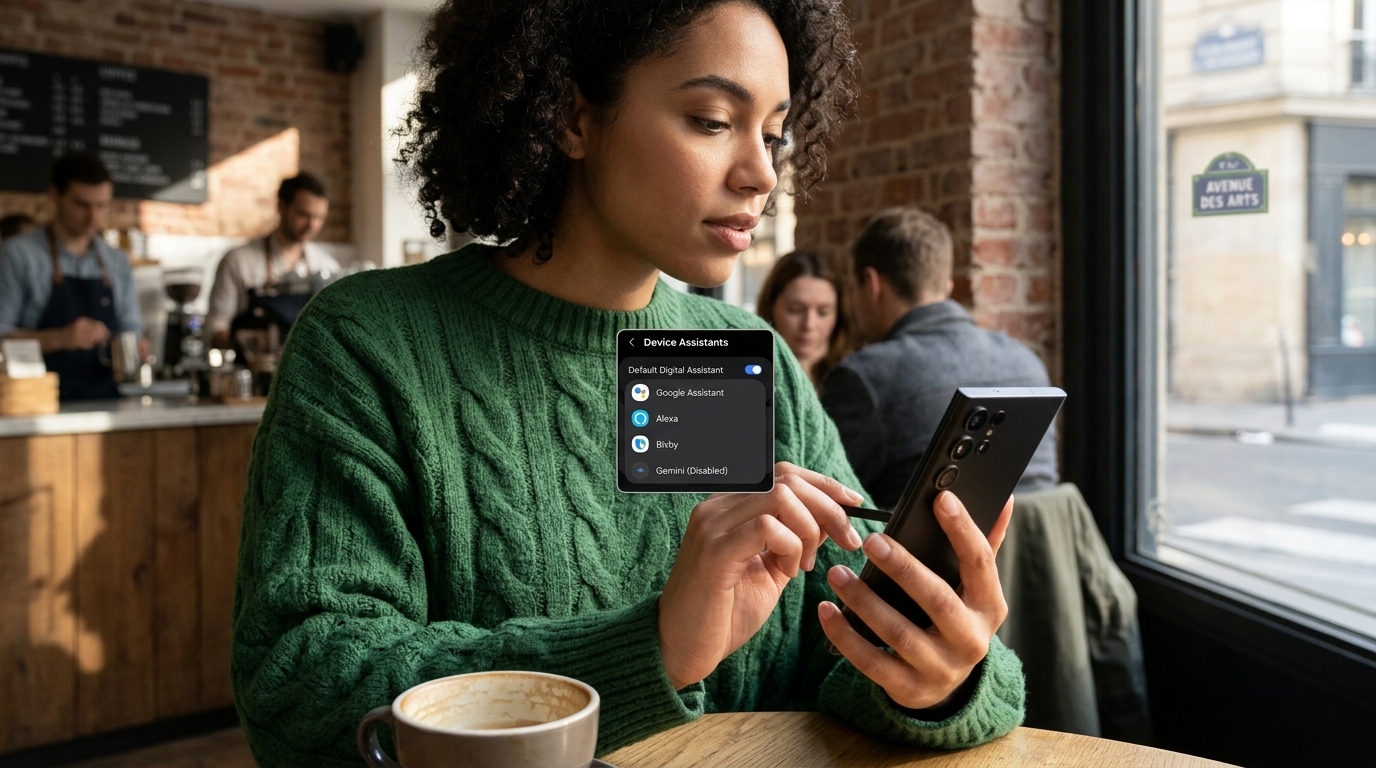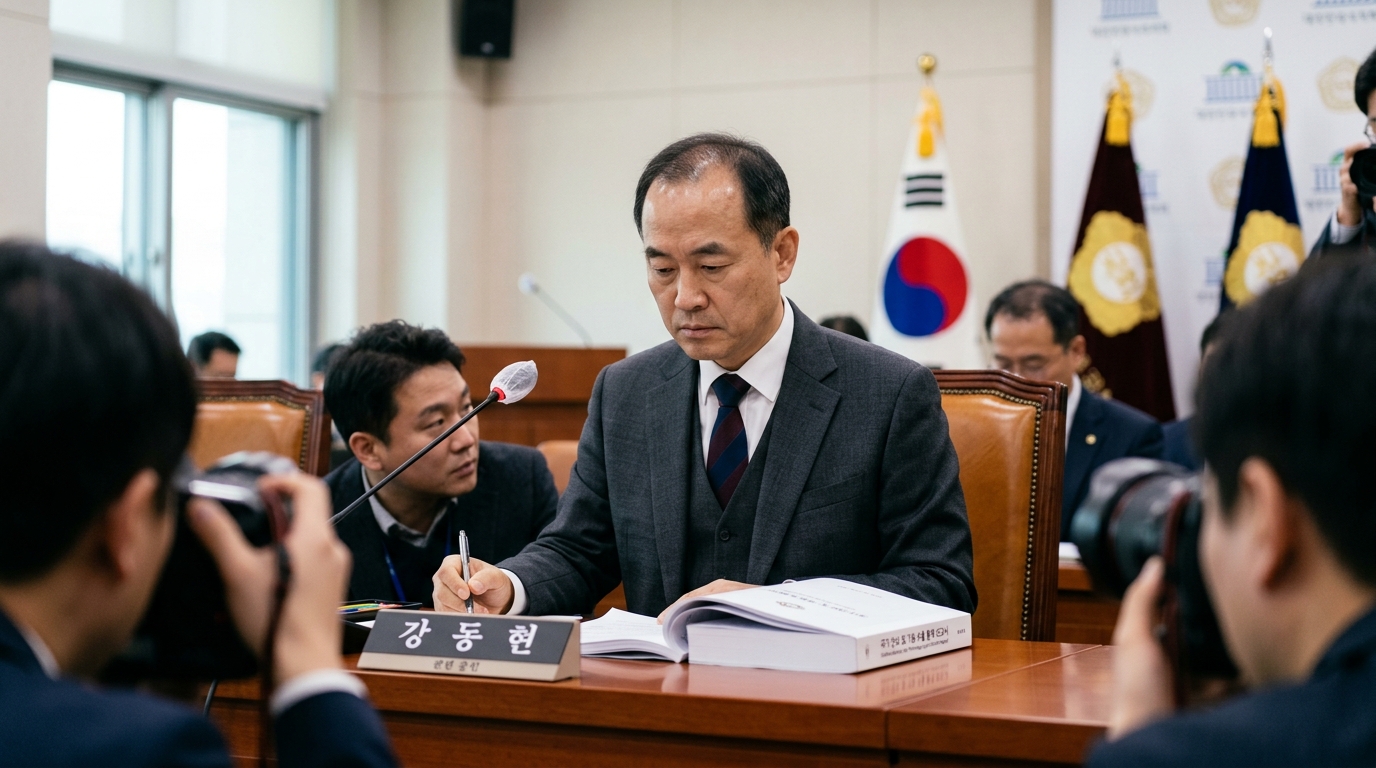
The global AI landscape has been jolted by revelations identifying SK Telecom, South Korea’s leading telecommunications provider, as the entity at the heart of a major export control controversy involving Anthropic. Reports indicate that SK Telecom’s access to Anthropic’s most advanced models, Mythos and Fable 5, was abruptly revoked just days before the White House mandated that these systems be taken offline for all foreign nationals. This move signifies a dramatic escalation in the U.S. government's strategy to treat high-end AI as a critical national security asset.
The Strategic Weight of Mythos and Fable 5
Mythos and Fable 5 are not mere iterative updates to the Claude ecosystem. They represent a frontier in AI development, possessing reasoning capabilities and autonomous problem-solving skills that many experts believe touch the fringes of Artificial General Intelligence (AGI). Their proficiency in advanced coding and strategic simulations has raised red flags within the U.S. national security apparatus. By restricting access based on citizenship, the Biden administration is effectively categorizing these weights and algorithms as 'dual-use' technologies, subject to the same level of scrutiny as nuclear secrets or stealth technology.
The SK Telecom Connection and the $100M Fallout
The involvement of SK Telecom is particularly striking given the depth of its partnership with Anthropic. In 2023, SKT invested $100 million in the AI startup, aiming to co-develop a multilingual Large Language Model (LLM) tailored for the global telecommunications industry. As the leader of the 'Global Telco AI Alliance'—which includes major players like Deutsche Telekom—SK Telecom’s exclusion from the Mythos tier sends a chilling message to international investors. It demonstrates that financial partnership and diplomatic alliance do not guarantee access to the 'crown jewels' of American AI innovation when national security concerns are invoked.
A Paradigm Shift in Export Controls
This incident highlights a fundamental shift in the U.S. Department of Commerce’s approach. While previous restrictions were largely surgical, targeting adversarial nations like China, the current policy regarding Mythos and Fable 5 is holistic. The enforcement of 'Foreign National' restrictions even against close allies like South Korea suggests a new era of technological protectionism. Silicon Valley firms are now navigating a minefield: how can they maintain their status as global innovation hubs when their primary products are legally fenced off from the international talent and capital that helped build them?
- SK Telecom's $100M investment was intended to secure early access to cutting-edge AI.
- The White House intervention suggests Mythos possesses capabilities beyond commercial use.
- The move signals that the U.S. views AI supremacy as a non-negotiable security priority.
- International collaborations in AI research face unprecedented legal and political hurdles.
"AI is no longer being treated as a commercial product, but as the ultimate strategic asset of the 21st century," say sources close to the administration.
Implications for the Global AI Ecosystem
The SK Telecom controversy is a bellwether for the future of the industry. If access to the most powerful AI models becomes contingent on nationality, we are witnessing the birth of a 'Digital Iron Curtain.' South Korea, despite being a key strategic partner in the Indo-Pacific, finds itself caught between its technological dependence on the U.S. and its aspirations for digital autonomy. This case may prompt other nations to accelerate their own sovereign AI programs, potentially leading to a fragmented global market where the exchange of ideas is stifled by geopolitical gatekeeping. The long-term impact on Anthropic’s ability to raise foreign capital remains to be seen, but the precedent is now firmly set.