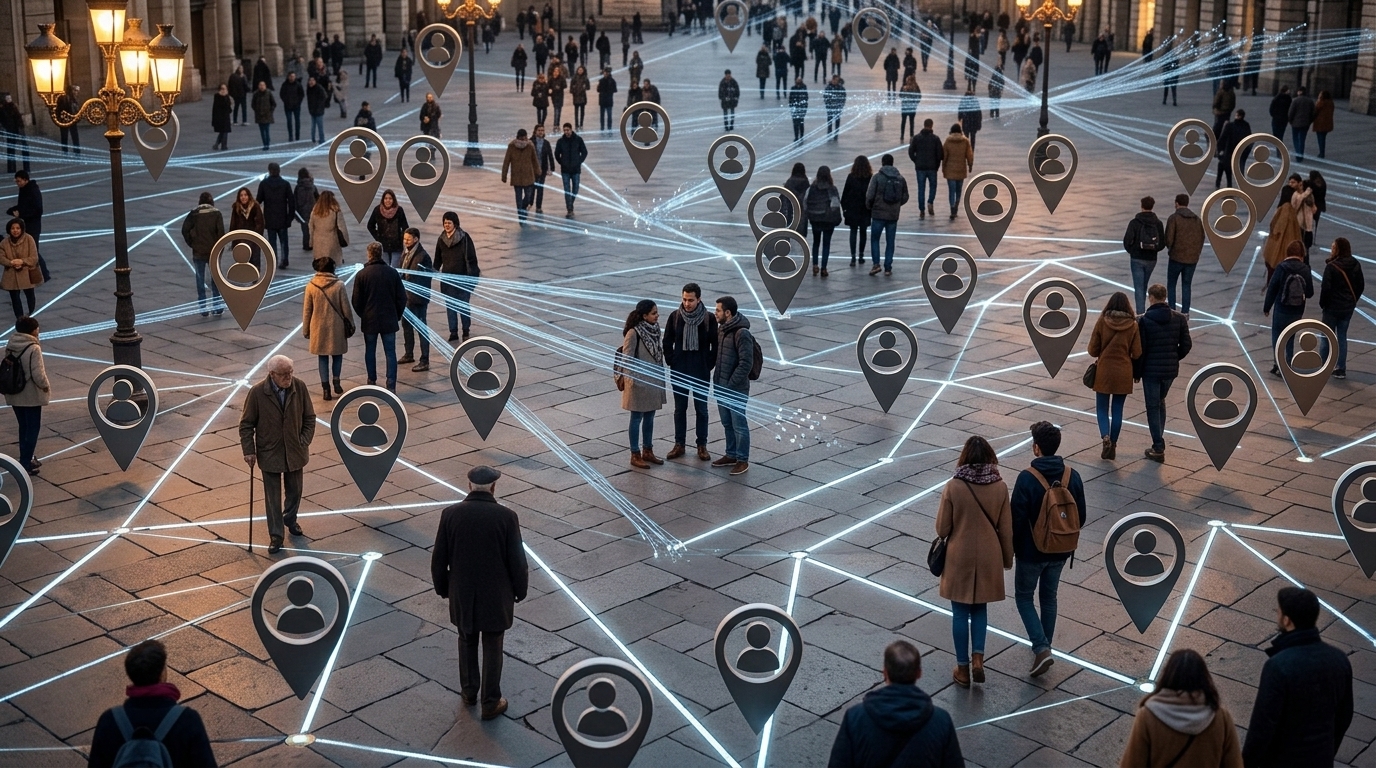
In a landmark decision that reshapes the landscape of digital privacy in the 21st century, the Supreme Court of the United States (SCOTUS) has drastically curtailed the ability of law enforcement agencies to use so-called "geofence warrants." The ruling, while falling short of declaring the practice universally unconstitutional, establishes such stringent "particularity" requirements that it renders bulk location data collection from companies like Google nearly impossible in practice.
Geofence warrants allow police to request data on every mobile device located within a specific geographic area during a specific timeframe. Instead of targeting a specific suspect, these warrants work in reverse: they sweep up thousands of innocent citizens in the hope of identifying someone linked to a crime. This practice has drawn fierce criticism from civil liberties groups, who liken it to the notorious "general warrants" of the British colonial era.
The Conflict with the Fourth Amendment
The central legal question before the Court concerned the Fourth Amendment of the U.S. Constitution, which protects citizens against "unreasonable searches and seizures." The Amendment mandates that warrants must particularly describe the place to be searched and the persons or things to be seized. The majority of the justices ruled that geofence warrants, in their current form, often lack this essential "particularity."
According to the Court's reasoning, police can no longer cast a "dragnet" over entire city blocks or busy shopping malls simply because a robbery occurred in one store. The Court emphasized that an individual's digital presence in a space does not constitute sufficient evidence of guilt to justify infringing upon the privacy of their movements. "The fact that technology allows for the surveillance of everyone does not mean the Constitution permits it," the ruling noted pointedly.
The End of "Fishing Expeditions"?
Although SCOTUS stopped just short of a total ban, legal analysts believe the decision effectively "guts" the tool for law enforcement. Moving forward, for such a warrant to be approved, a judge must be convinced that the geographic radius is extremely narrow (e.g., only the interior of a specific room) and that the time window is minimal. Furthermore, police must demonstrate that there is no other, less intrusive way to gather the evidence.
Google, which receives the vast majority of such requests globally, had already begun modifying how it stores location data (Timeline), moving it to users' devices rather than its own servers. This technical shift, combined with the new judicial ruling, creates a formidable wall of protection for the average user. Authorities will no longer be able to simply send an email to Google and receive lists of user IDs in return.
Implications for Law Enforcement and Big Tech
The ruling sparked immediate reactions from police associations, which argue that geofence warrants were a critical tool for solving cases that would otherwise remain cold, such as arsons, bombings, or kidnappings. They contend that this technology provided objective evidence in an era where eyewitnesses are scarce or afraid to come forward.
On the other hand, tech companies view the decision as a validation of their "privacy by design" strategies. A reduction in legal requests means lower administrative costs and, more importantly, increased consumer trust. However, the ruling leaves the door open for other forms of digital surveillance, such as "keyword warrants" (requests for everyone who searched for a specific term), which are expected to be the next major legal battlefield.
In conclusion, the Supreme Court's move signals a pivot toward protecting the individual in the digital age. It recognizes that a smartphone is not just a device, but a "digital mirror" of our lives, our liberties, and our associations. By demanding particularity in searches, the Court is restoring a balance that had been tilted by the convenience of mass data analytics. The era of the digital dragnet is, if not over, severely diminished.