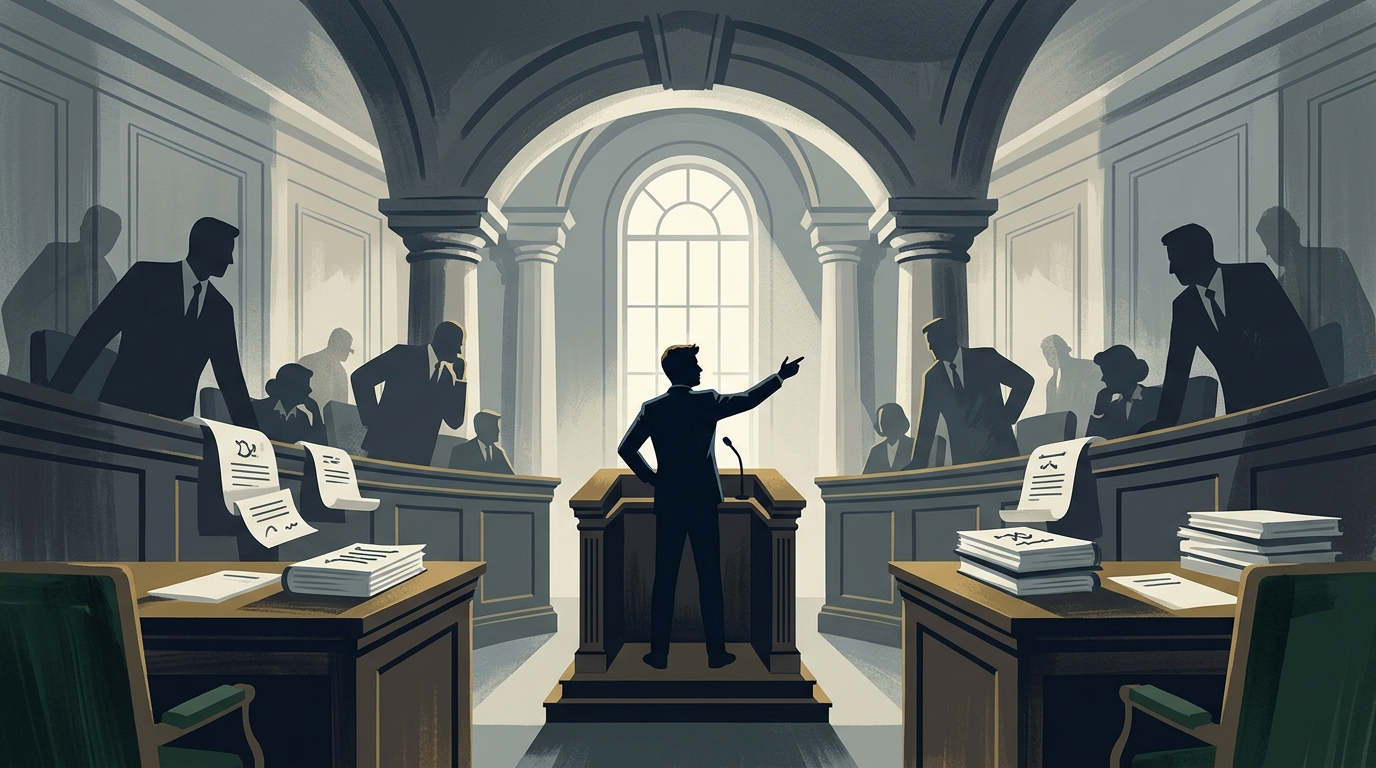
The courtroom atmosphere was electric as Sam Altman, one of the most influential figures in the technology sector, took the stand to defend OpenAI’s trajectory. After two weeks of testimony from witnesses who portrayed him as a calculating opportunist, Altman was finally called to answer Elon Musk’s allegations of betraying the organization’s founding mission. This trial is not merely a financial dispute; it is an existential battle over who controls the future of Artificial General Intelligence (AGI) and whether promises of "benefiting humanity" can coexist with the demands of multi-billion dollar investments.
A Performance of Composure and Counter-Narrative
Altman appeared well-prepared, calm, and exceptionally precise in his wording. When his lawyer, William Savitt, asked how it felt to be accused of "stealing a charity," Altman’s response was a calculated appeal to emotion and diligence. "We created, through a ton of hard work, something that the world needs," he stated, emphasizing that the transition to a "capped-profit" model was the only realistic path to secure the resources required for GPT-4’s development. His defense rested on the argument that Musk was aware of, and had initially agreed with, the necessity for massive capital—sums that no amount of philanthropic donations could ever cover.
However, Altman’s rhetorical prowess may yet collide with the cold reality of documentation. Musk’s legal team presented correspondence from OpenAI’s early years where Altman appeared to promise absolute transparency and open-source models. The contrast between those early commitments and the current exclusive partnership with Microsoft is the central point of contention. Altman argued that the "mission" never changed, but the "means" had to adapt to the scale of the challenge. For the jury, the question remains: is adaptability a corporate virtue or a breach of a foundational agreement?
The Clash of Titans: Musk vs. Altman
The personal dimension of the feud was palpable throughout the testimony. Musk, a co-founder and primary initial financier, is portrayed as the "deceived benefactor." Conversely, Altman presents himself as the pragmatist who was left to carry the torch when Musk departed in 2018. During cross-examination, Altman did not hesitate to point out Musk’s own attempts to merge OpenAI into Tesla—a move that, if successful, would have invalidated any current arguments regarding non-profit integrity from the X (formerly Twitter) billionaire.
- The "Closed Source" Allegation: Altman claimed that making models public would pose significant global security risks.
- The Microsoft Relationship: It was described as a necessary alliance for compute power, not a surrender of corporate sovereignty.
- The Future of AGI: Altman insisted OpenAI remains committed to preventing the monopolization of intelligence.
Despite Altman’s success in appearing sympathetic to the gallery, legal analysts warn that trials of this nature are decided on the minutiae of bylaws, not intentions. If the court finds that an "implied contract" existed and was subsequently breached, OpenAI could face sanctions that might destabilize its current structure. Altman’s strategy to focus on the "greater good" is a gamble that could backfire if the evidence shows that profit became the primary driver of decisions from 2019 onward.
Implications for the AI Ecosystem
The outcome of this trial will set a precedent for the entire industry. Should Musk prevail, many startups that began as research labs before pivoting to commercial giants may find their legal foundations under scrutiny. Furthermore, the debate over "Open Source AI" has gained new momentum. Altman argued that the "Open" in the company’s name did not strictly mean "open source for everyone," but rather "open access to the benefits." This interpretative leap is precisely what infuriates open-tech advocates and fuels Musk’s legal arguments.
"You cannot build a castle with the bricks of charity and then put a toll booth at the gate," a legal advisor for Musk remarked outside the courtroom.
As the day concluded, Altman left the courtroom with his head held high, having won the communications battle for the day. However, justice is not meted out in terms of popularity. The coming weeks will determine if Altman’s vision of controlled, profitable AI development can withstand the weight of the legal commitments he made a decade ago. The verdict will define whether Silicon Valley’s ethics remain binding or if they are merely a marketing tool used until the next big investor arrives.