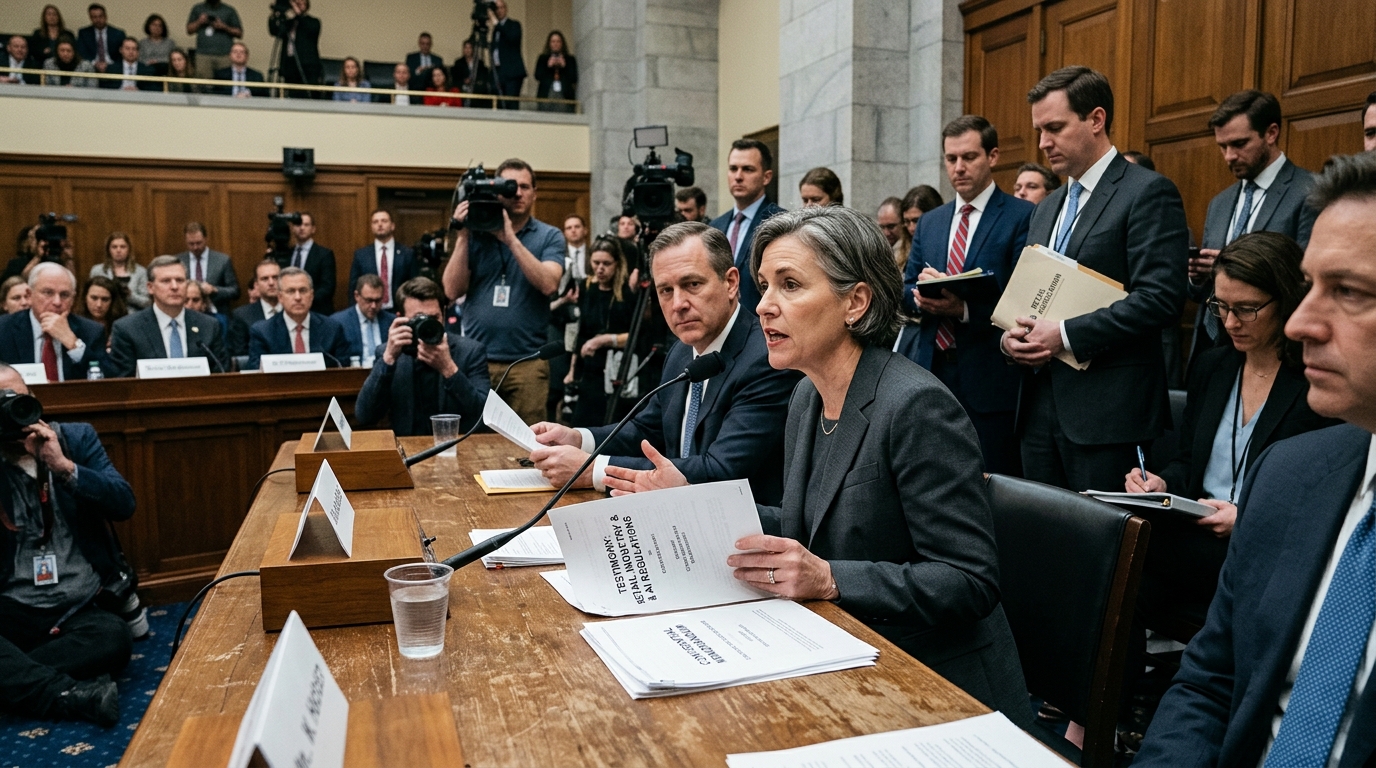
The European Union, a global pioneer in the attempt to harness Artificial Intelligence through the AI Act, is now facing its first significant internal challenge from the corporate world. EuroCommerce, the leading association representing the retail and wholesale sector in Europe, has formally requested that AI-generated advertisements be exempt from strict transparency obligations. This move is not merely a bureaucratic skirmish; it is a fundamental clash over how technology will reshape the perception of reality in the marketplace.
The Core of the Dispute: Innovation vs. Transparency
At the heart of the controversy lies the requirement for companies to clearly label any content created or manipulated by AI systems. According to EuroCommerce, imposing such labeling on every advertising visual—from a simple background in a shoe photo to a full digital model—could stifle innovation and cause "label fatigue" among consumers. Retailers argue that AI in advertising is often used for harmless optimization purposes, such as adjusting lighting or creating virtual sets, and does not pose the same misinformation threat as political deepfakes.
"Applying horizontal transparency rules to every commercial use of AI risks stigmatizing the technology and burdening businesses with unnecessary compliance costs without offering meaningful protection to citizens," the association's statement reads.
The Argument for "Low-Risk" Use Cases
Retail representatives emphasize that advertising, by its very nature, is a field where creative license and beautification are expected. They argue that consumers already understand that an advertisement is a constructed image. Therefore, adding a "Generated by AI" tag to a photo that merely uses AI to clean up image noise is seen as excessive. Furthermore, they express fears that small and medium-sized enterprises (SMEs) will be disadvantaged, as they lack the resources to track and certify every minor algorithmic intervention in their campaigns.
The Pushback from Regulators and Consumer Groups
On the other side of the debate, consumer protection organizations and MEPs who championed the AI Act warn that exemptions could open a "backdoor" for manipulation. Without clear labeling, companies could use AI to create unrealistic beauty standards or present products in environments that do not reflect reality, thereby misleading the public. Transparency, they argue, is the only tool that allows consumers to maintain critical thinking in an increasingly synthetic digital experience.
- Compliance Costs: Businesses fear rising operational expenses for auditing digital assets.
- Consumer Trust: A lack of labeling could lead to a trust crisis if AI usage is revealed post-factum.
- Technical Challenges: Creating a universal watermarking system remains technically difficult.
Conclusion: A Delicate Balance
The European Commission's decision on whether to grant EuroCommerce's request will set a precedent for the future of the digital economy. If the EU yields, it risks weakening the AI Act before it even reaches full implementation. If it stands firm, it may face a market that views legislation as a hurdle to competitiveness against the US and China. The stakes are whether "truth" in the age of AI is an absolute value or a negotiable parameter of commerce.