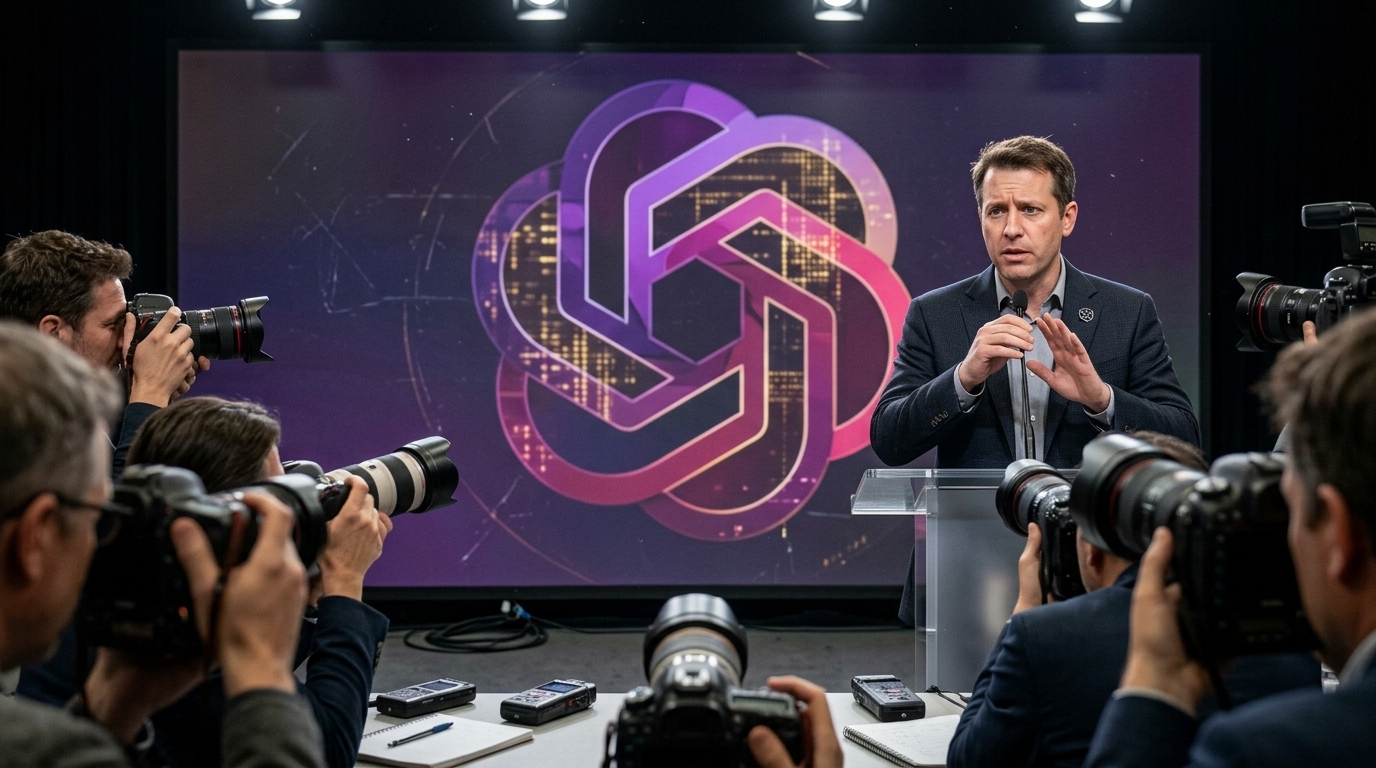
In a move that fundamentally reshapes the geopolitical landscape of technology, OpenAI has announced the release of GPT-5.6, its most sophisticated suite of artificial intelligence models to date. However, the news is far from being purely technical. The unveiling of the 'Sol' and 'Terra' models occurred less than 24 hours after reports surfaced that the company had agreed to a staggered release schedule at the explicit request of the U.S. government. This represents a historic turning point, where Silicon Valley appears to be aligning fully with Washington's mandates, raising profound questions about the independence of innovation and the future of global access to cutting-edge technology.
The Arrival of Sol and Terra: A New Paradigm of Intelligence
GPT-5.6 is not merely an incremental improvement over its predecessor. The flagship model, codenamed 'Sol,' promises what researchers call 'high-velocity reasoning.' According to early benchmarks, Sol can solve complex quantum physics problems and synthesize strategic business plans in seconds, demonstrating an intuition that approaches human-like levels, but backed by the processing power of a supercomputer. On the other hand, the 'Terra' model is designed for mass integration, offering a balance between cost and performance that is expected to redefine business automation.
The architecture of these models appears to be based on a new method of 'dynamic learning,' allowing the system to update its knowledge base in real-time without the need for expensive retraining cycles. This makes GPT-5.6 the first 'living' model, capable of perceiving current global events with minimal latency. However, this sheer power is precisely why the U.S. administration decided to intervene in its deployment process.
The Washington Hand: Regulation or Control?
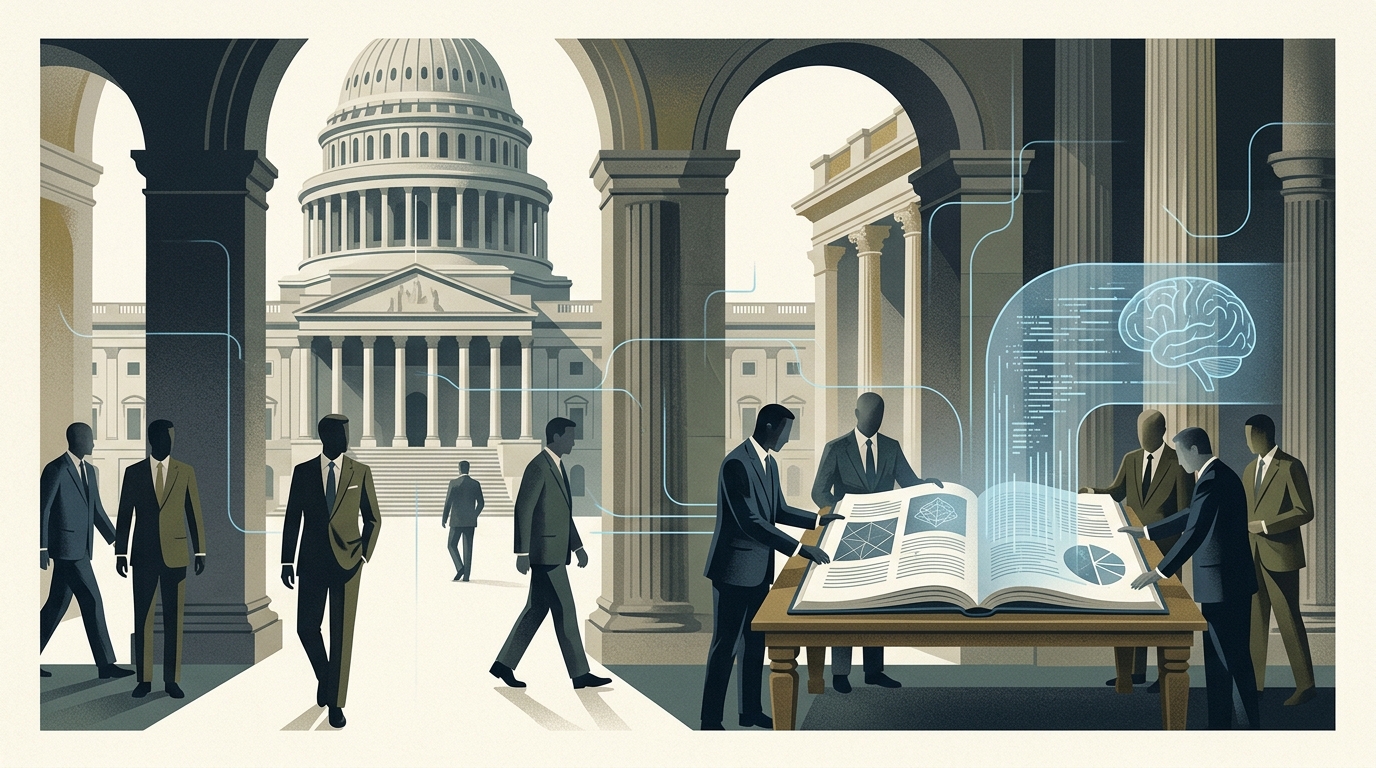
The Trump administration's intervention in the release of GPT-5.6 is an unprecedented event in the tech industry. The requirement for a 'staggered release' was justified under the banner of national security. Authorities expressed concerns that unrestricted access to such a powerful tool could be weaponized by adversarial nations for cyber warfare or market manipulation. This development signals the end of an era where AI companies operated as autonomous entities. Now, OpenAI and its competitors are being treated as strategic national assets, akin to the defense industry.
Critics of this approach argue that state-level control over AI could stifle competition and create a 'digital iron curtain.' If access to Sol is restricted only to U.S.-aligned entities, the rest of the world could find itself at a significant disadvantage, accelerating the fragmentation of the internet and the global economy. OpenAI, for its part, is attempting to maintain a delicate balance, stating that safety remains a priority while its commitment to the democratization of AI remains steadfast—a claim that many now view as increasingly hollow.
Market Impact and Societal Implications
The release of GPT-5.6 is expected to send shockwaves through the labor market. With Terra offering advanced reasoning capabilities at a lower cost, professions previously considered 'safe'—such as junior legal counsel, data analysts, and software developers—are facing a new reality. The model's ability to understand context and produce high-quality output drastically reduces the time required to complete complex tasks.
Simultaneously, the ethical dimension of GPT-5.6's usage remains a central concern. Sol's ability to generate highly persuasive content and simulate human interaction intensifies fears regarding disinformation. In a year of significant political upheaval, a tool that can construct narratives with such precision is a double-edged sword. OpenAI claims to have implemented new 'digital watermarks' and safety filters, but history has shown that technology always finds a way to bypass its own constraints.
The Global AI Arms Race
OpenAI's move and the subsequent U.S. government involvement have not gone unnoticed in Europe and China. The European Union, with its AI Act, finds itself in a difficult position: wanting to protect its citizens while fearing it might fall behind in the technological race due to over-regulation. China, meanwhile, is accelerating its own efforts to develop comparable models, viewing the restrictions on GPT-5.6 as an opportunity to close the gap.
GPT-5.6 is more than just software; it is the symbol of a new era where knowledge is the ultimate form of power. The decision of who gets access to this knowledge, when, and under what conditions, will define the trajectory of humanity for the coming decades. As Sol begins to illuminate the possibilities of machine intelligence, the shadows it casts on politics and freedom grow longer by the day.