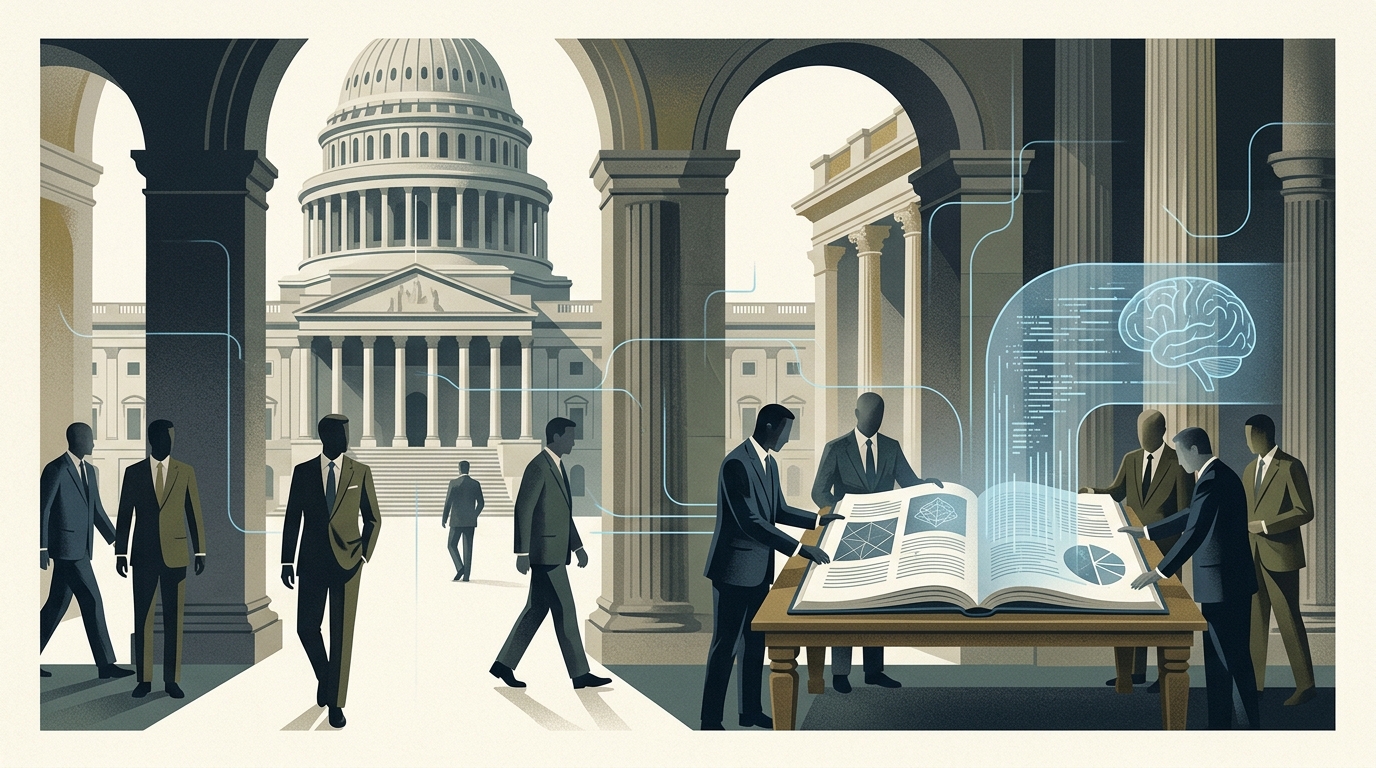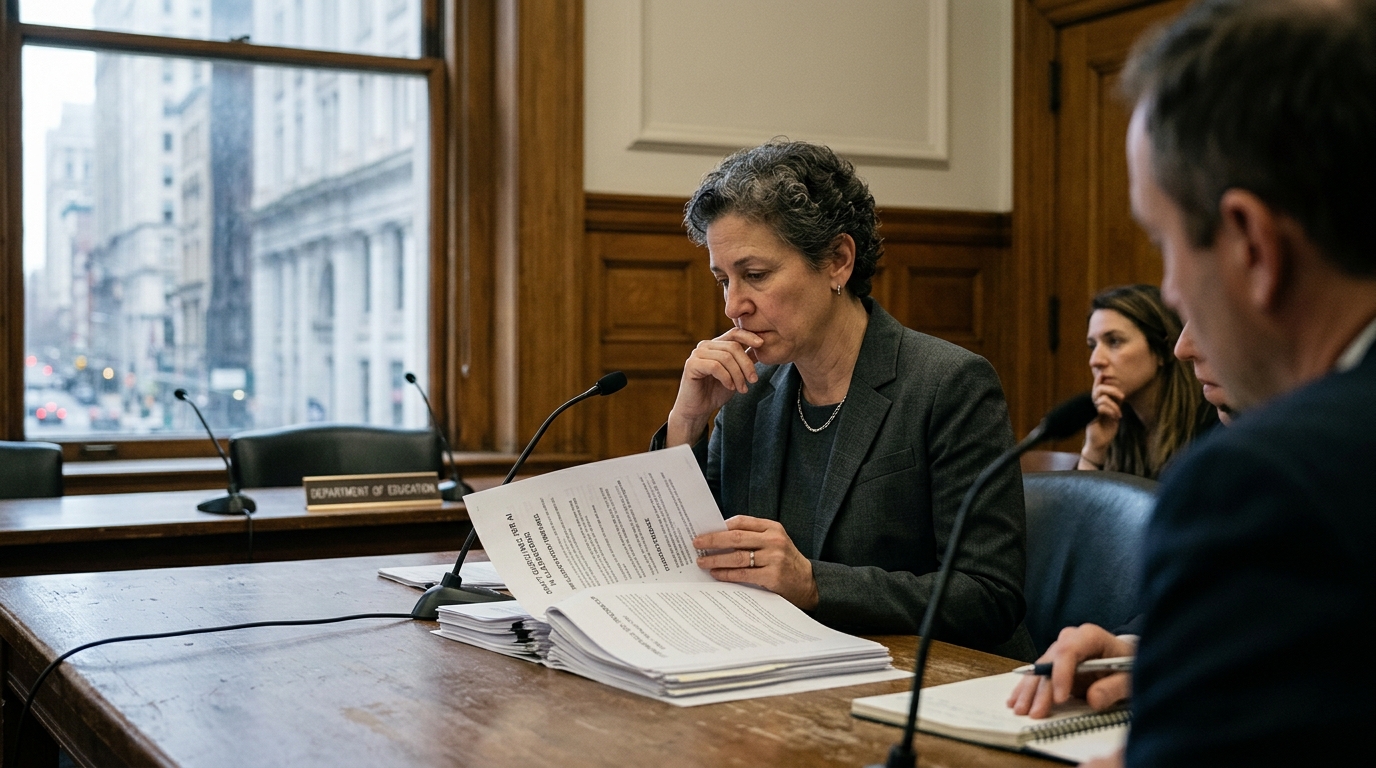
In an era where technological advancement seems to move at the speed of light, the New York City Department of Education’s (DOE) decision to delay the release of its highly anticipated 'AI Playbook' is more than a mere bureaucratic postponement; it is an act that underscores the existential anxiety of modern education. The largest school system in the United States, serving over one million students, is grappling with a profound dilemma: how to embrace innovation without compromising academic integrity or student privacy.
The Strategy of Prudent Hesitation
The delay, recently brought to light via the New York Daily News, comes at a time when educators across the city are desperate for clear guidance. Since ChatGPT burst into the public consciousness in late 2022, NYC schools have swung from a total ban to a phase of cautious acceptance. However, crafting a comprehensive 'playbook' is proving far more complex than initially envisioned. The DOE's leadership understands that in a district this size, a single policy misstep can have generational consequences.
The reasons for the pause are multifaceted. First, the technology itself is mutating faster than regulations can be drafted. With the emergence of multimodal models like GPT-4o and Gemini 1.5, AI capabilities have expanded from simple text generation to real-time audio, visual, and video interaction. A guide written six months ago risks being obsolete by the time it reaches a teacher's desk. Second, the issue of data sovereignty is paramount. The DOE must ensure that any AI application integrated into the classroom adheres to strict student privacy laws, such as FERPA and COPPA, preventing the commodification of student data by private tech giants.
The Specter of the Digital Divide
One of the most pressing concerns driving this delay is equity. NYC school officials are acutely aware that integrating AI without a robust, equitable framework could exacerbate the gap between privileged and underprivileged students. While students in affluent districts may have access to private AI tutors and high-speed tech at home, students in Title I schools rely solely on the resources provided by the city.
"We cannot allow Artificial Intelligence to become another vector of inequality. It must be an equalizer, not a divider," sources close to the administration suggest.
Furthermore, the readiness of the workforce is a significant hurdle. Without comprehensive professional development, a playbook is merely a theoretical document. The United Federation of Teachers (UFT) has voiced concerns regarding the additional workload and the necessity for meaningful training before teachers are expected to serve as 'AI facilitators' in their classrooms. The delay allows more time for stakeholder engagement, ensuring that the voices of parents and frontline educators are reflected in the final policy.
Global Implications of the NYC Decision
Why is the world watching New York? Because what happens within the NYC DOE often sets the standard for school districts nationwide, and even internationally. The decision to delay the playbook sends a clear message to other educational institutions: speed should not come at the expense of safety. The city appears to be moving toward a model of 'AI Literacy' rather than mere 'tool proficiency.' This distinction is crucial; it means students will not just learn how to prompt a bot for answers, but how to identify algorithmic bias, understand AI hallucinations, and navigate the ethical implications of automation.
In conclusion, the delay of the AI Playbook should not be viewed as a failure of leadership, but as a necessary pause for reflection. In a world that demands instant solutions, New York City is choosing the difficult path of responsibility. When the final document is released, it will need to be more than a manual—it must be a manifesto for how human intelligence will continue to lead in the age of the machine. The stakes are nothing less than the future of public education in the 21st century.