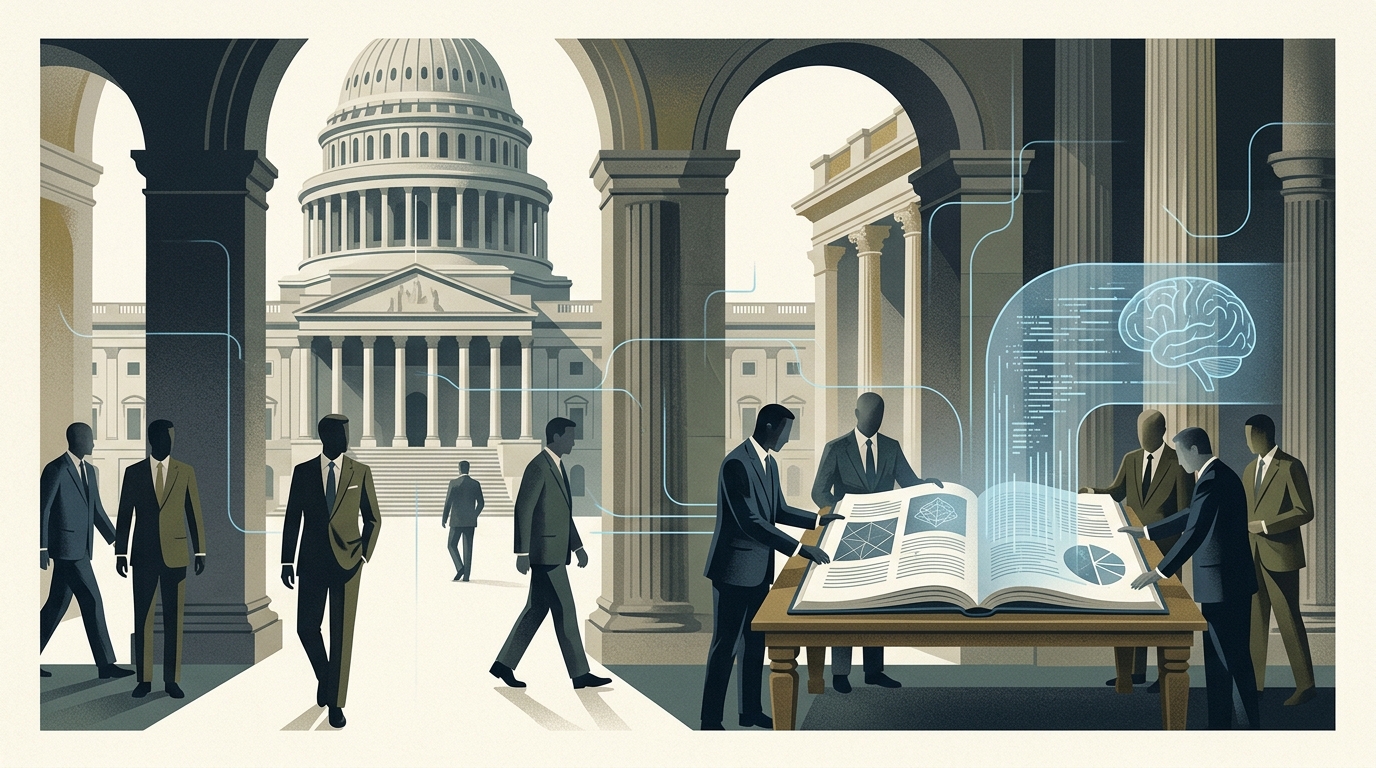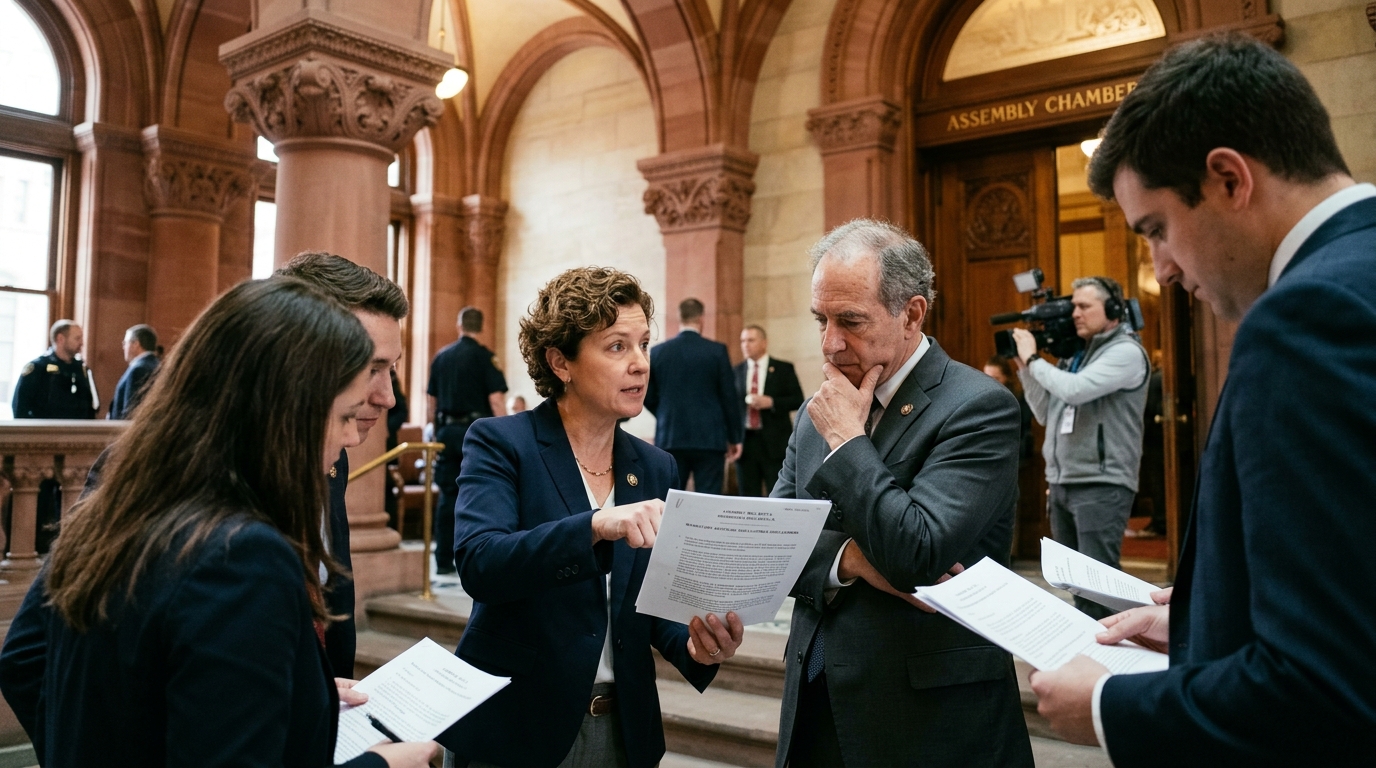
In a move poised to redefine the landscape of digital information, New York State lawmakers have approved a groundbreaking bill requiring news organizations to explicitly disclose the use of Artificial Intelligence (AI) in content production. This legislative action, arriving during a period of heightened skepticism regarding online information credibility, aims to shield consumers from misinformation and ensure transparency within the Fourth Estate.
Anatomy of the New Legislation
The bill, which cleared the state legislature with significant backing, mandates that any news story, article, or audiovisual material created or substantially modified by generative AI algorithms must carry a clear and conspicuous disclaimer. This obligation extends beyond fully automated texts to include the use of "synthetic media" that could mislead readers about the authenticity of events or the individuals depicted.
Proponents of the regulation argue that AI has reached a level of sophistication where distinguishing between human and machine creation is nearly impossible for the average citizen. "Trust is the currency of journalism," stated one of the bill's sponsors. "If readers do not know whether what they are consuming is the product of human inquiry or a statistical word-prediction model, then democracy itself is at risk."
Challenges and Definitions: The Technological Gray Zone
Despite noble intentions, the bill's implementation raises serious questions about what constitutes "substantial use" of AI. In modern journalism, technology is omnipresent. From spell-checkers and interview transcription to data analysis tools, the line between a "tool" and a "creator" is often blurred. Critics of the bill, including various digital publishing associations, warn that overly stringent rules could lead to "disclaimer fatigue," where every piece of content carries a warning, eventually rendering the disclosure meaningless to the reader.
- The percentage of algorithmic involvement in drafting the text.
- The use of AI to create photorealistic images that do not correspond to reality.
- Automated translation that might distort the meaning of quotes or context.
Furthermore, there are concerns that the legislation could be weaponized against smaller news outlets that lack the resources to implement complex auditing and labeling systems. The legal ambiguity surrounding the definition of "generative AI" remains the central point of friction between lawmakers and the tech industry.
The Big Picture: Ethics and the First Amendment
New York's move is not an isolated incident but part of a broader global trend toward AI regulation. With the European Union already establishing a framework through the AI Act, the United States is attempting to find its own balance between consumer protection and the safeguarding of free speech. Some legal analysts predict the bill will face court challenges, with arguments that mandatory labeling constitutes "compelled speech," thereby infringing upon the editorial freedom of publishers.
"Journalism is not merely the transmission of information; it is the curation and the assumption of responsibility. If AI takes over the former, humans must guarantee the latter," note academics from the Columbia Journalism School.
In an era where deepfakes and fake news can sway elections and social cohesion, New York is sending a clear message: technology may evolve, but the necessity for truth remains constant. The challenge for news organizations is now to integrate AI in a way that enhances, rather than undermines, their relationship of trust with the public.