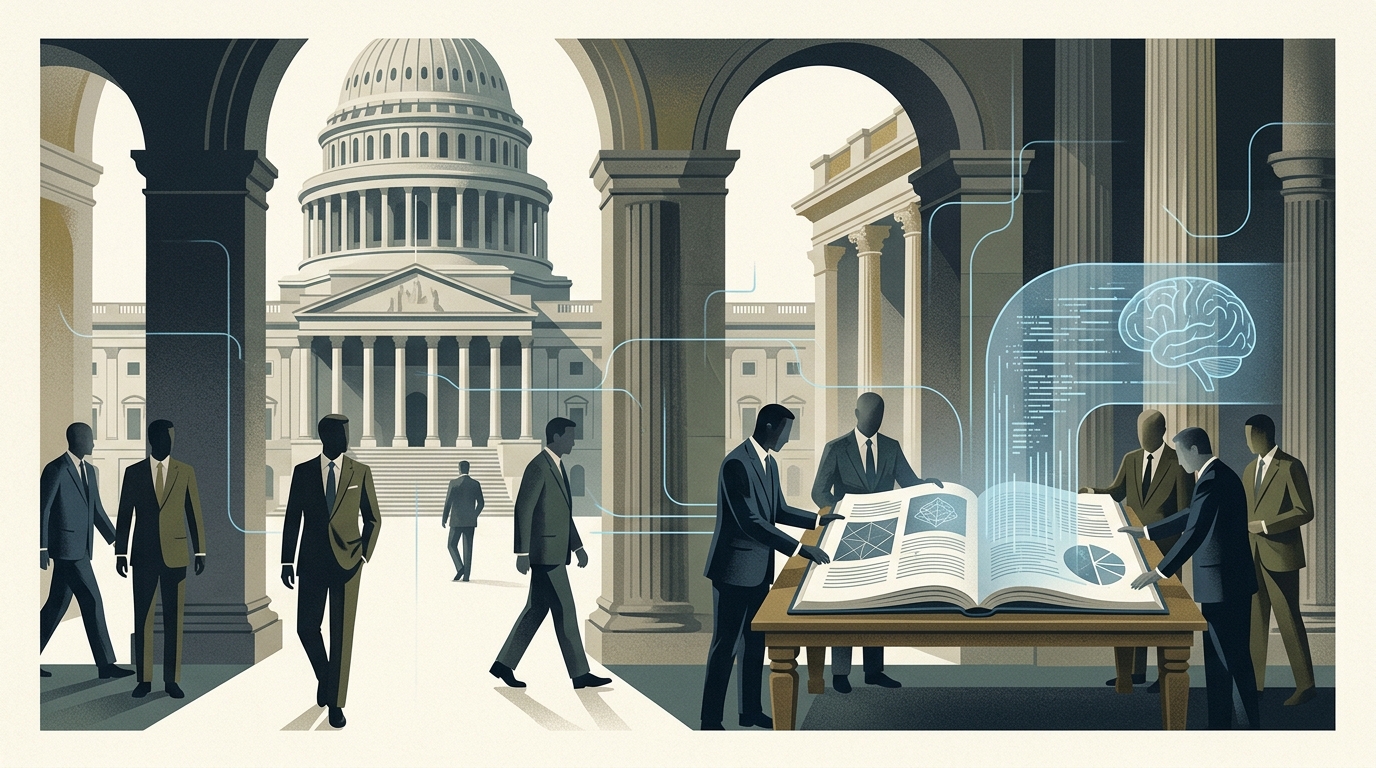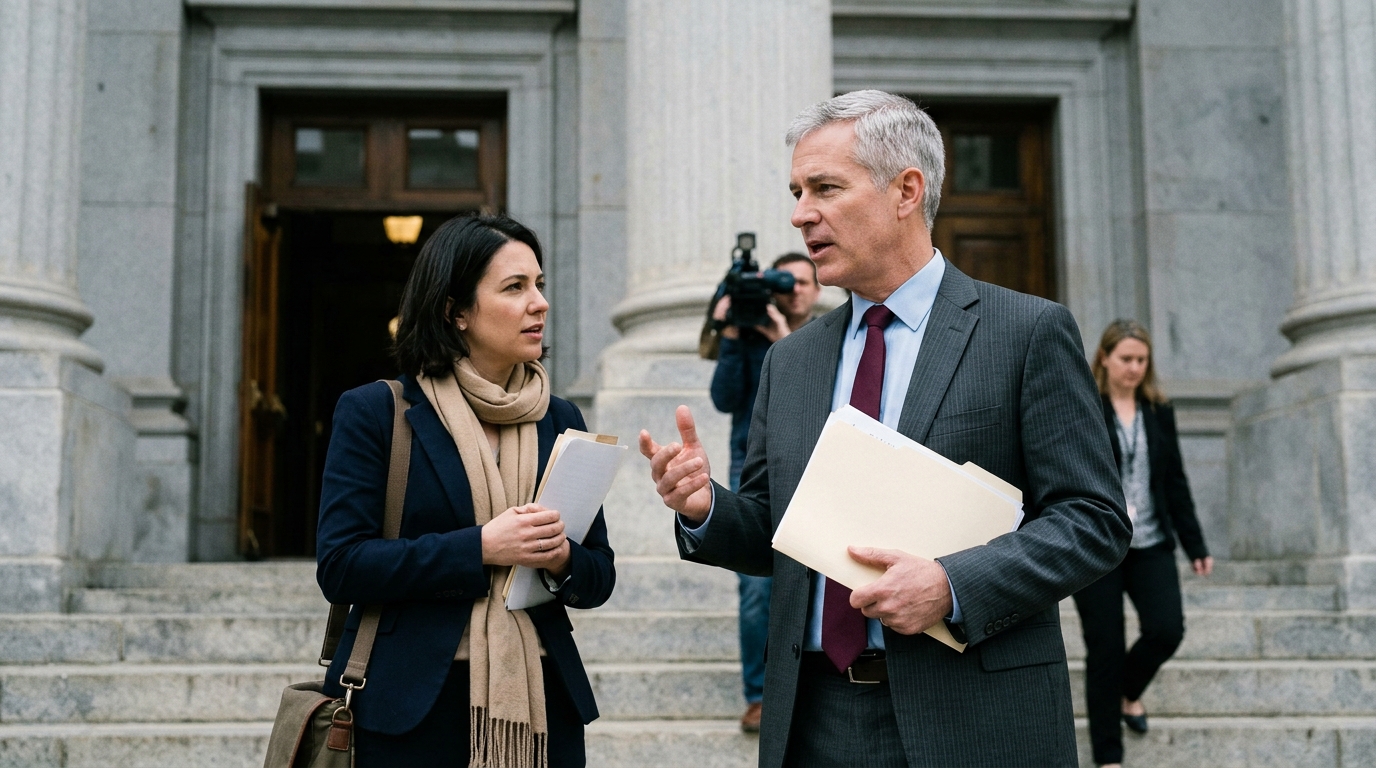
In a watershed moment for digital-age regulation, the State of New York has officially enacted legislation today, June 10, 2026, requiring mandatory labeling of all Artificial Intelligence (AI) generated content in advertising campaigns. This move, arriving amidst a climate of intense political polarization and breakneck technological advancement, aims to combat disinformation and shield consumers from the deceptive potential of deepfakes.
The Legal Framework and Compliance Mandates
The new law stipulates that any advertisement—be it a television spot, a social media post, or print material—containing "materially altered" content produced by AI tools must carry a clear and conspicuous disclaimer. For video content, the label must remain on-screen long enough to be legible, while audio content requires a verbal disclosure at either the beginning or the conclusion of the message.
Particular scrutiny is applied to political advertisements. With the 2026 midterm elections looming, lawmakers expressed grave concerns that AI could be weaponized to fabricate candidate statements or distort historical records. Non-compliance carries significant civil penalties, which can scale based on the advertisement's reach and the demonstrated intent to deceive.
The Challenge of Technical Verification
Despite its noble intentions, the law’s enforcement raises complex questions regarding the technical feasibility of detecting AI content. As generative AI models become increasingly sophisticated, the line between a highly edited "human" video and a fully AI-generated one continues to blur. Advertising agencies are now tasked with maintaining meticulous records of their production pipelines, effectively serving as their own compliance officers.
- Mandatory labeling for both visual and auditory AI content.
- Heightened standards for political campaigns and deepfakes.
- Fines starting in the thousands of dollars per violation.
- Requirement for "clear and conspicuous" disclosure.
Social and Political Implications
New York is not alone in this pursuit, but its market size and cultural influence position it as a potential blueprint for federal legislation. Digital rights advocates hail the law as a necessary step to preserve the integrity of public discourse. However, some industry analysts warn that overly prescriptive regulations could stifle creativity and inflate production costs for small-to-medium enterprises that rely on AI to remain competitive.
"Transparency is not a barrier to innovation; it is the prerequisite for public trust in our institutions," stated a member of the New York legislative committee during the signing ceremony.
Looking ahead, the ultimate challenge will be fostering collaboration between big tech and regulators to develop robust "digital watermarks." Such technology would ideally embed metadata directly into AI-generated files, making disclosure an automated and tamper-proof process rather than a manual administrative burden.