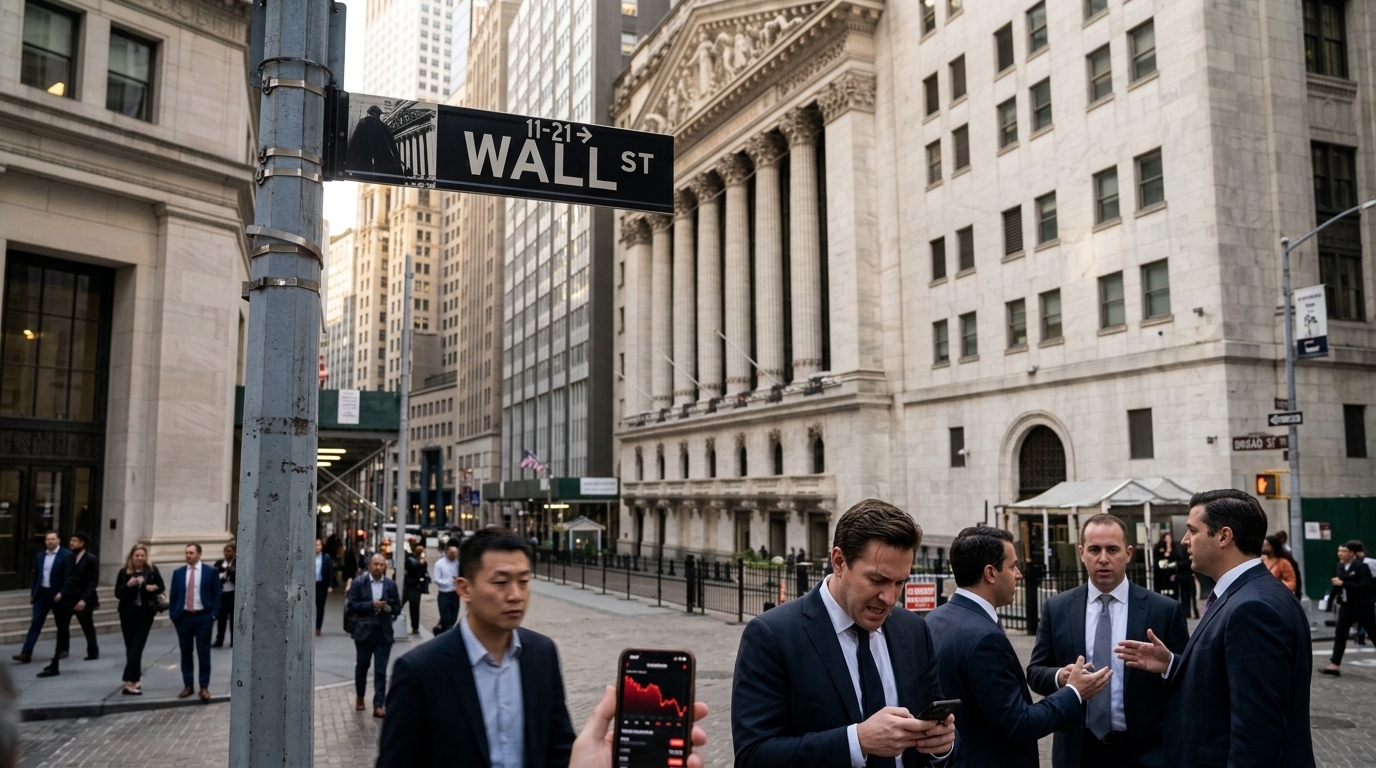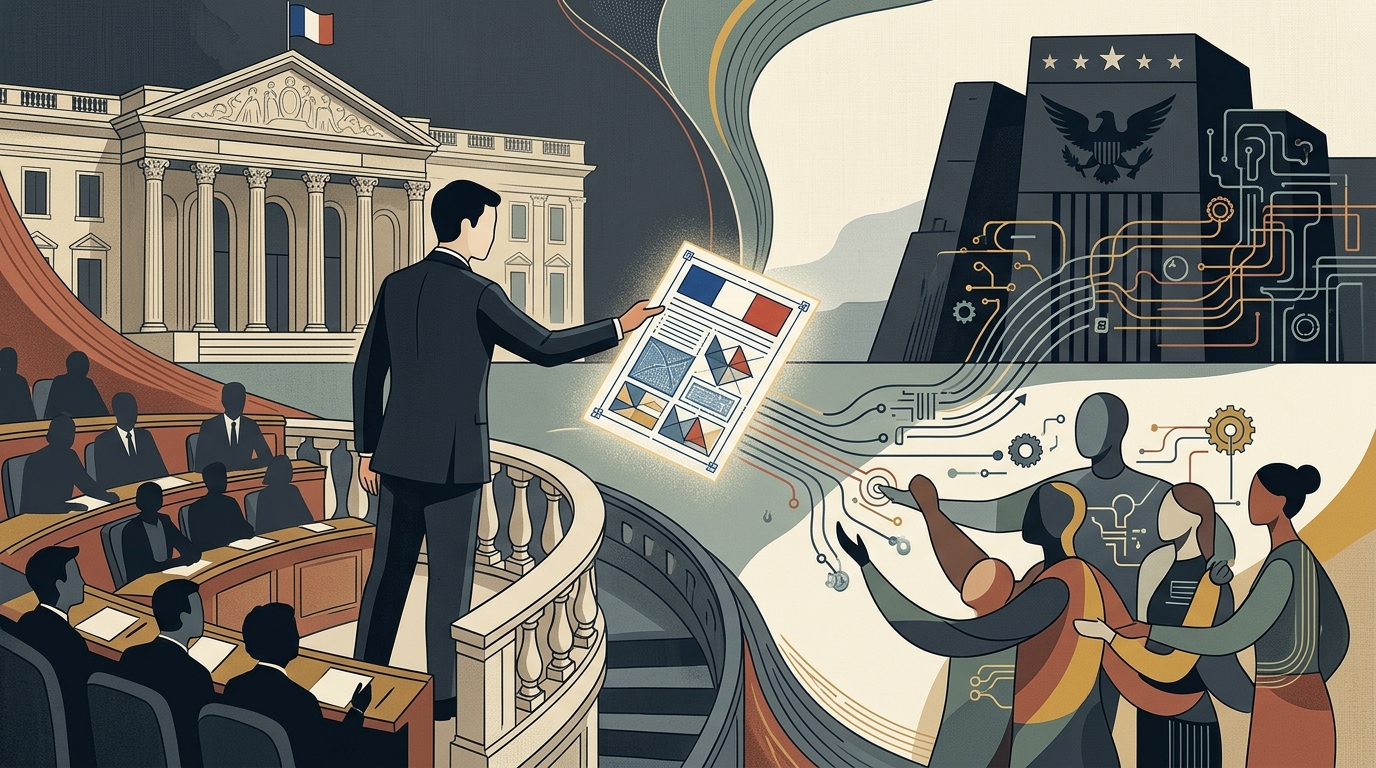
In a move that highlights Europe's growing anxiety over its technological lag, French President Emmanuel Macron has issued a bold appeal to the United States and the international community. During preparatory meetings for the upcoming AI Action Summit to be hosted in Paris, Macron emphasized the urgent need for a "third way" in AI development—a path dominated neither by Silicon Valley's unbridled laissez-faire nor Beijing's state-driven control.
The Call for Transparency and Technology Sharing
Macron argued that Artificial Intelligence constitutes a modern-day "public good." According to the French President, the concentration of the most advanced "frontier models" in the hands of a few American giants poses significant risks to global stability and democratic sovereignty. He called on Washington to allow greater access to algorithms and training data, enabling democratic nations to develop their own solutions without being entirely dependent on US-controlled infrastructure.
"We cannot build a future where the rules are defined exclusively by those who own the computing power," he stated. The French initiative aims to bolster "open source" AI, a strategy France strongly supports through champions like Mistral AI, viewing it as the only viable counterweight to the closed systems of OpenAI and Google.
Regulation: The European Model as a Global Standard
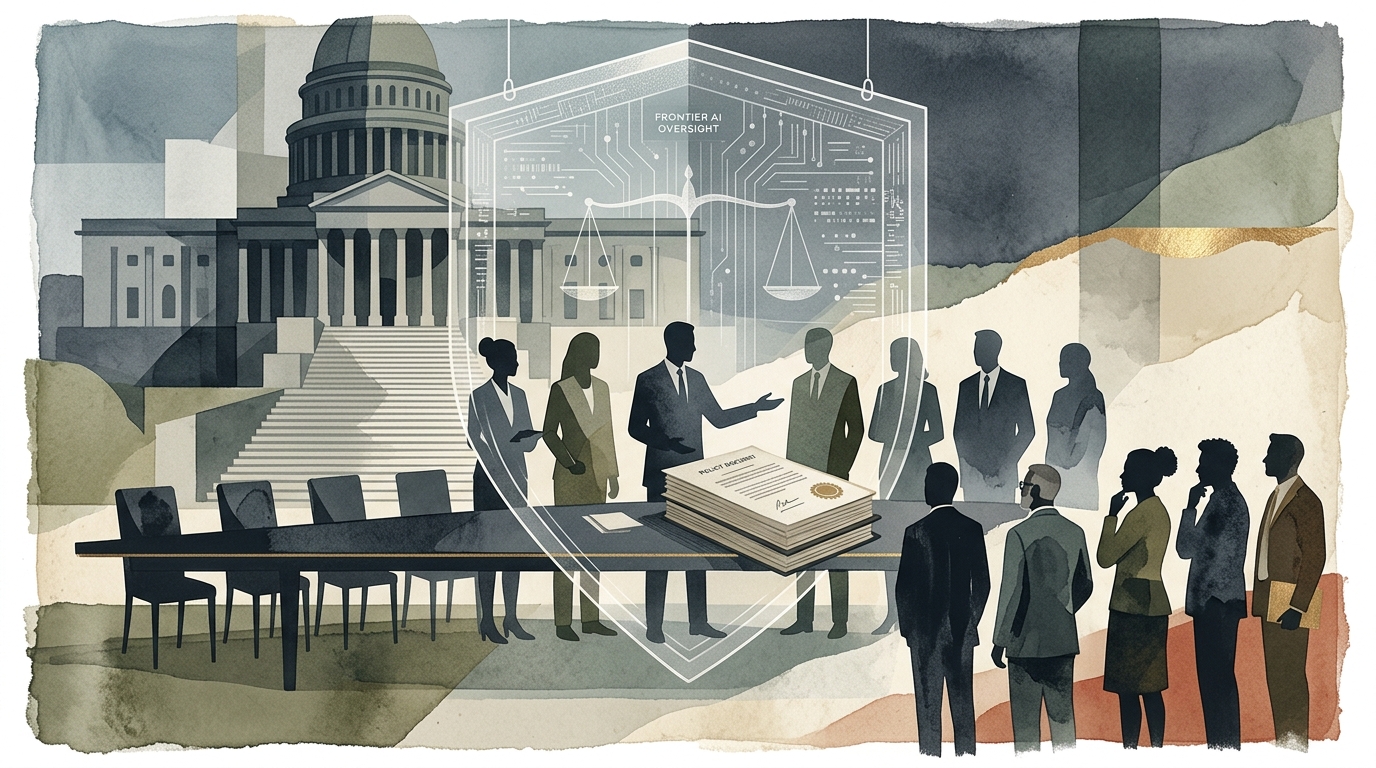
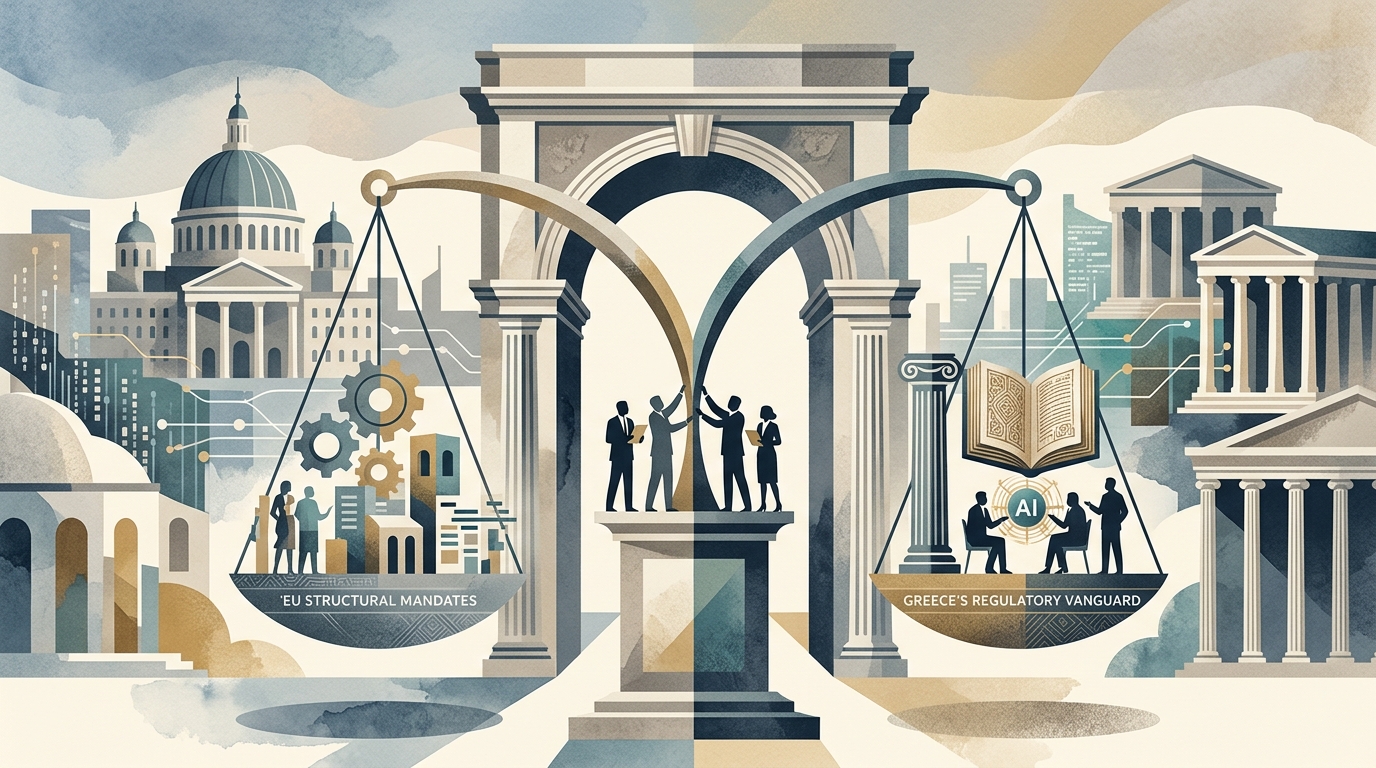
A central theme of Macron's address was the necessity for shared regulation among democracies. While the European Union has already enacted the landmark EU AI Act, the French President acknowledged that regional regulation is insufficient. He proposed the creation of an international framework to align ethical standards, safety protocols, and intellectual property protections.
- Protecting Democracy: Combating deepfakes and disinformation that threaten electoral processes.
- AI Ethics: Ensuring algorithms do not perpetuate racial or social biases.
- Fair Competition: Preventing monopolistic practices that stifle startups in Europe and the Global South.
France seeks to lead this effort, positioning Paris as the "capital of ethical AI." However, the challenge remains immense, as the US remains hesitant to impose strict constraints that could dampen the innovation of its firms in the face of Chinese competition.
The Geopolitical Chessboard and "Digital Sovereignty"
Macron's request is not merely technical but deeply political. Europe feels squeezed between two technological superpowers. On one side, the US holds the software and hardware keys, and on the other, China invests billions in AI for surveillance and military supremacy. Macron warned that if democracies do not cooperate now, they will end up as "digital vassals."
"Sovereignty in the 21st century is defined not by borders, but by data and the capacity to process it," the French leader emphasized.
This stance reflects Macron's broader doctrine of "strategic autonomy" for Europe. By asking the US to share its technology, he is essentially calling for a new "Bretton Woods Agreement" for the digital age, where technological progress is coupled with shared values and transparency.
Conclusion: The Road to the Paris Summit
The success of Macron's plea will be tested at the upcoming summit. Will the US agree to dilute its competitive advantage in the name of democratic solidarity? Or will Europe be forced to follow a lonely regulatory path that might leave it behind in the global race? What is certain is that the conversation around AI has moved beyond developer labs and into the highest echelons of global diplomacy.