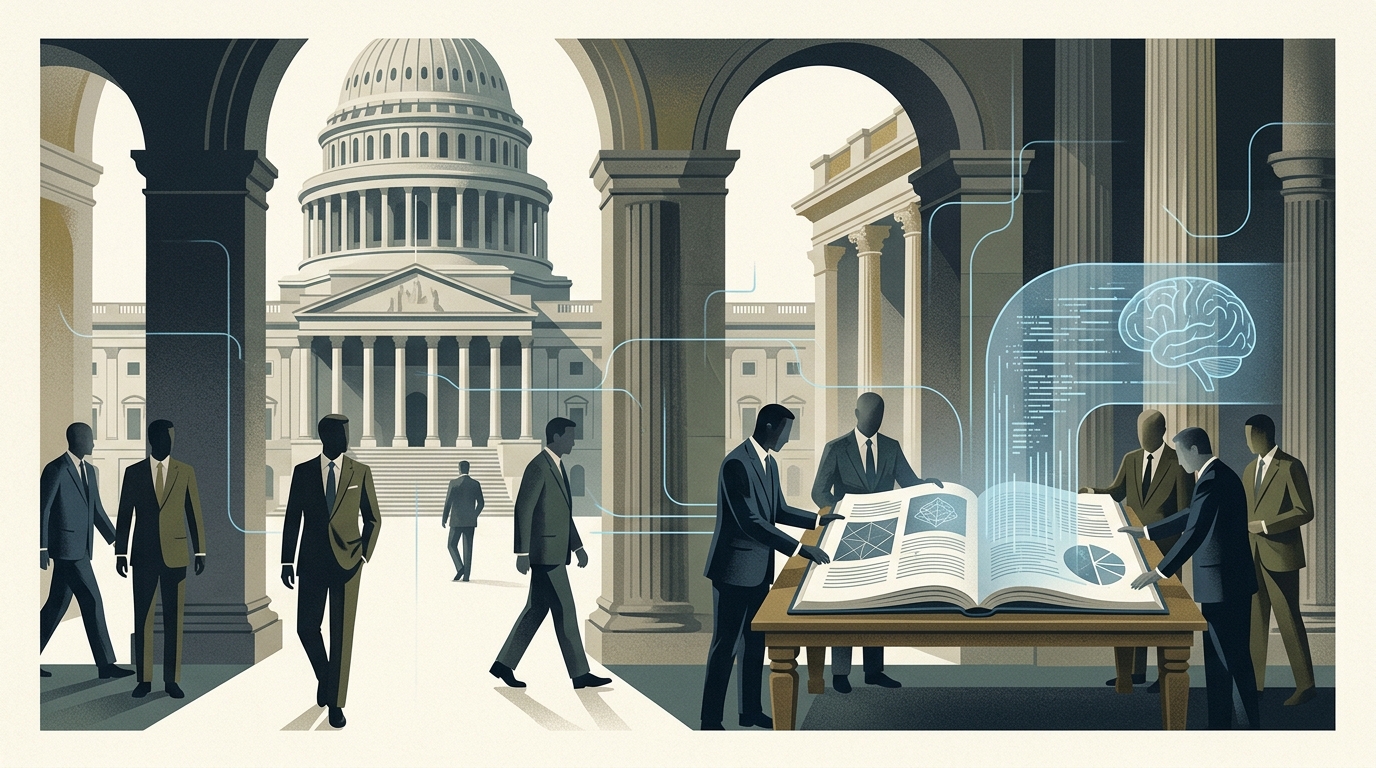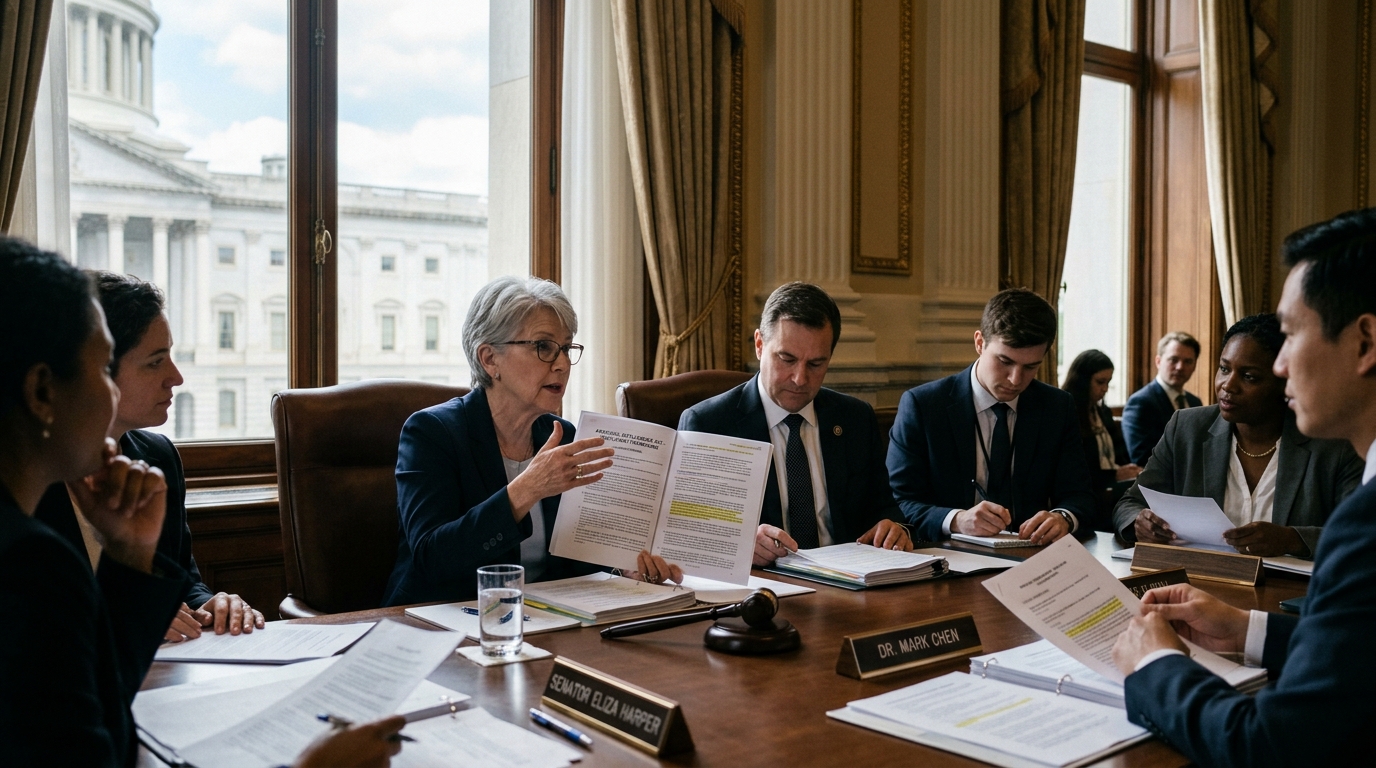
As we navigate the landscape of 2026, humanity finds itself at a critical juncture where the pace of innovation in Artificial Intelligence (AI) has long outstripped the capacity of traditional legislative bodies to respond. The recent legislative push in Colorado, embodied in Senate Bill 24-205, serves as a landmark case study in how local governments are attempting to fill the federal vacuum by establishing rules in a field that, until recently, resembled a technological "Wild West."
The core issue at hand is not merely the content of the laws, but the very tempo of the legislative process. While a bill typically requires months or years of debate, amendment, and ratification, Large Language Models (LLMs) and machine learning algorithms are updated on a weekly basis. This asymmetry creates a profound risk: by the time a regulation takes effect, the technology it seeks to govern may have already become obsolete or evolved into something entirely different.
The Colorado Precedent and the 'Duty of Care' Model
Colorado’s law, one of the first comprehensive AI regulations in the United States, centers on the concept of a "duty of care." It mandates that developers and deployers of high-risk AI systems—those making consequential decisions regarding employment, banking credit, insurance, or healthcare—take proactive measures to avoid algorithmic bias. This approach is no coincidence; it reflects an attempt to shift the burden of responsibility from the state onto the corporations themselves.
However, the reception of the law has been polarized. Governor Jared Polis, upon signing the bill, expressed significant reservations, noting that state-level legislation could create a "patchwork" of conflicting rules that might stifle innovation. The argument is straightforward: if each of the 50 US states enacts its own set of rules, startups will struggle to maintain compliance across jurisdictions, leaving the field open only to Big Tech giants who possess the legal armies necessary to navigate such complexity.
The Federal Vacuum and Global Influence
The activity in Colorado, California, and New York is a direct consequence of Congressional inertia. While the European Union’s AI Act has already established a global benchmark, the US remains divided. Lawmakers in Washington are struggling to balance the need for civil rights protections with the desire to maintain American AI supremacy against global rivals like China.
- Algorithmic Transparency: The necessity of understanding how AI-driven decisions are reached.
- Data Protection: Ensuring that model training does not infringe upon individual privacy rights.
- Liability: Determining accountability when an AI system causes financial or ethical harm.
This lack of a unified federal direction has forced local legislators to become the "policy laboratories" of the nation. By adopting a risk-based approach similar to that of the EU, Colorado has demonstrated that the "Brussels Effect"—the tendency of European regulations to become global standards—is now directly influencing American legislative thought at the state level.
The Challenge of Enforcement and Technological Neutrality
One of the most significant hurdles in AI legislation is enforcement. Regulatory agencies often lack the technical expertise required to audit whether an algorithm is truly biased. As many analysts point out, auditing a "black box" system is a resource-intensive process that most state agencies are ill-equipped to handle. Furthermore, there is a risk that laws focus too heavily on current technology, ignoring future developments like Artificial General Intelligence (AGI).
"We cannot regulate the future with the tools of the past. Legislation must be principle-based rather than merely technically specific," noted a prominent industry executive during the hearings.
The solution proposed by some experts is "technologically neutral" legislation, which focuses on outcomes rather than the technology itself. Instead of regulating how an AI functions, the law would define which societal impacts are unacceptable, regardless of whether they are caused by a human or an algorithm.
Conclusion: A Perpetual Negotiation
The Colorado experience teaches us that AI legislation is not a final destination but a perpetual process of negotiation. As we move further into 2026, the pressure for global or at least national convergence will only intensify. Citizens demand safety, businesses demand clarity, and technology, undeterred, demands more space. The ultimate challenge is whether democratic institutions can evolve fast enough to remain relevant in a world moving at the speed of silicon.