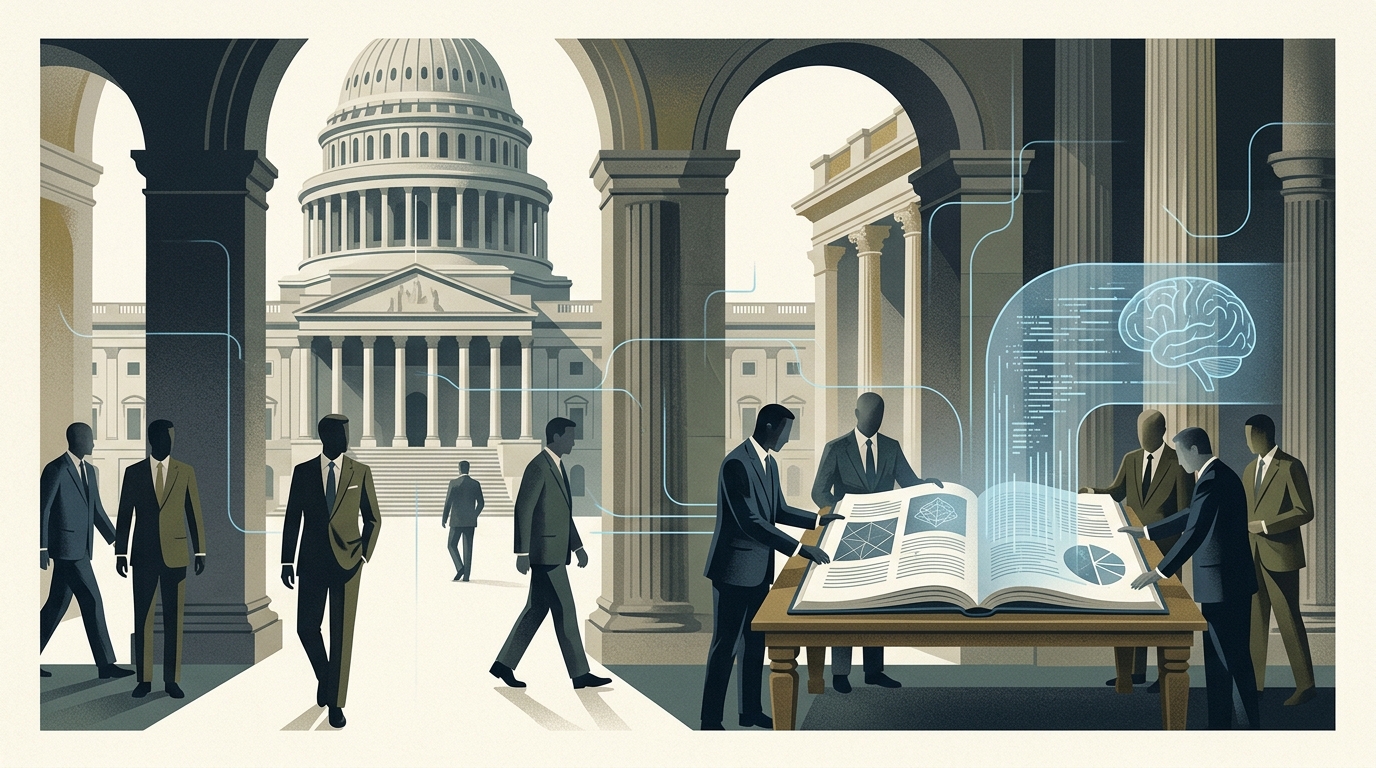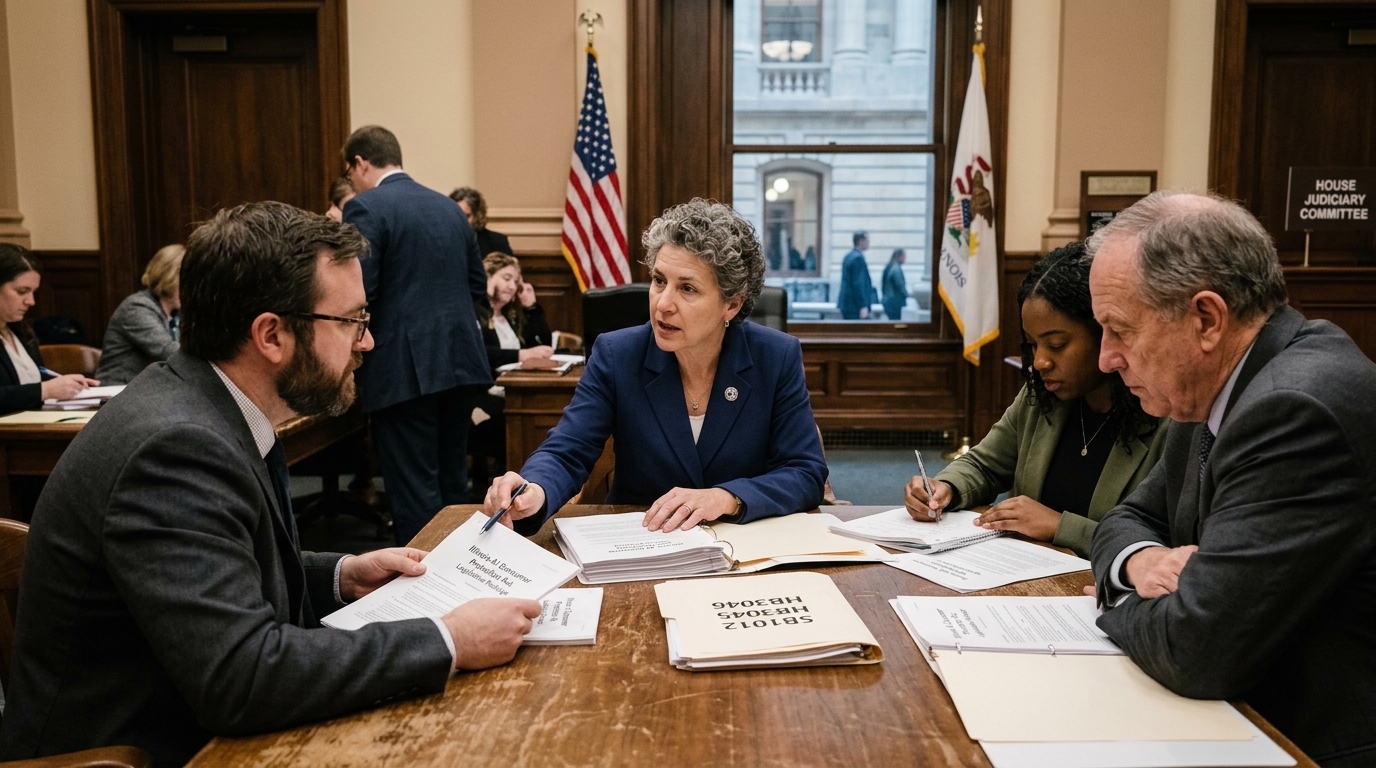
In an era where the U.S. federal government appears to move at a glacial pace regarding technology regulation, individual states are taking the reins. Illinois, a state that has historically led the charge in digital rights protection through its landmark Biometric Information Privacy Act (BIPA), is now at the center of a new legislative surge. Democratic lawmakers in the state are pushing a suite of bills aimed at taming Artificial Intelligence (AI), with a sharp focus on consumer protection, data privacy, and, for the first time with such intensity, mental health.
This move is not merely a local legislative quirk; it is a signal to the tech industry that the "Wild West" era of algorithmic development is drawing to a close. The package of measures being debated in Springfield seeks to establish clear boundaries on how companies use AI to interact with citizens, process their personal data, and influence their psychological well-being.
Consumer Protection in the Age of Deepfakes
A cornerstone of the legislative agenda is addressing fraud and deception facilitated by AI. With the rise of deepfakes—realistic but fake images, videos, and audio clips—Illinois lawmakers are concerned about the erosion of market trust. The proposed bills would require companies to explicitly disclose when content has been generated by AI, particularly in advertising or political campaigns.
Furthermore, the legislation seeks to stiffen penalties for using AI in financial scams. The ability of algorithms to mimic the voices of family members or bank officials has created a new wave of crime that existing laws struggle to address. Illinois aims to provide prosecutors with the tools to pursue those who use "digital replicas" without consent, effectively extending the right of publicity into the digital realm to protect ordinary citizens from identity misappropriation.
Data Privacy: The BIPA Legacy Continues
Illinois is already renowned for having the strictest biometric data law in the U.S., which has led to multi-billion dollar settlements from tech giants like Facebook and Google. The new legislative push seeks to apply similar principles to the training of AI models. Lawmakers argue that using citizens' personal data to "train" large language models (LLMs) without explicit consent constitutes a fundamental privacy violation.
The proposed framework would require companies to provide transparency regarding the datasets they use and offer Illinois residents the right to opt-out of having their data used for algorithmic training. This represents a direct challenge to the business models of companies like OpenAI and Anthropic, which rely on massive data scraping. While the industry warns that such restrictions could turn Illinois into a "tech desert," proponents of the bills argue that innovation cannot come at the expense of fundamental human rights and data sovereignty.
Mental Health and Algorithmic Accountability
Perhaps the most innovative aspect of the legislation is its focus on mental health. There is growing alarm over the use of "therapy chatbots" that offer mental health advice without adequate professional oversight, as well as social media algorithms designed to maximize engagement by exploiting the psychology of users, particularly minors.
The bills mandate "impact assessments" for algorithms targeting children, requiring companies to prove that their products do not promote addiction, depression, or eating disorders. Additionally, any AI system used for diagnosing or treating mental health conditions would have to meet rigorous standards for clinical validity, similar to those required for medical devices. This move reflects a broader shift toward recognizing that AI is not just a productivity tool, but a technology with profound social and psychological implications that require a duty of care from its creators.
Political Pushback and the Future of Regulation
While Democrats hold a supermajority in Illinois, the legislation faces intense pressure from tech lobbyists and chambers of commerce. The primary argument against the bills is that a "patchwork" of different state laws will make it impossible for companies to operate nationally. They argue for a unified federal standard that provides clarity across state lines.
However, Illinois lawmakers seem to believe that if their state sets a high enough bar, the industry will be forced to adapt to these standards for all users—a phenomenon known as the "California effect" or, in this case, a potential "Illinois effect." This mirrors how the GDPR in Europe forced global companies to change their privacy practices worldwide. Ultimately, the outcome in Springfield will serve as a bellwether for the rest of the country, determining whether the public interest can effectively check the power of rapid technological advancement.
In conclusion, the Illinois initiative is a critical test of whether the democratic process can keep pace with the lightning-fast evolution of AI. If these bills pass, Illinois will solidify its role as the de facto AI regulator in the United States, shaping the trajectory of the technology for decades to come. The battle in Springfield is just the opening salvo in a global struggle over who controls the future of intelligence and at what cost to human dignity.