The era of technological innocence for Europe has passed. In a period where Artificial Intelligence (AI) is transforming from a productivity tool into a cornerstone of national power, the Old Continent is in a race to reclaim lost ground. Recent activity in Brussels and national capitals is no longer just about regulating technology, but about the survival of European industry against the dominance of American giants.
The Strategy of "Digital Sovereignty"
For decades, Europe relied on Silicon Valley infrastructure for its digital needs. However, the advent of Generative AI changed the game. Dependence on models like OpenAI's GPT-4 or Anthropic's Claude is now seen as a strategic risk. The concept of "digital sovereignty" has shifted from a theoretical framework to an imperative for data security, privacy protection, and economic autonomy.
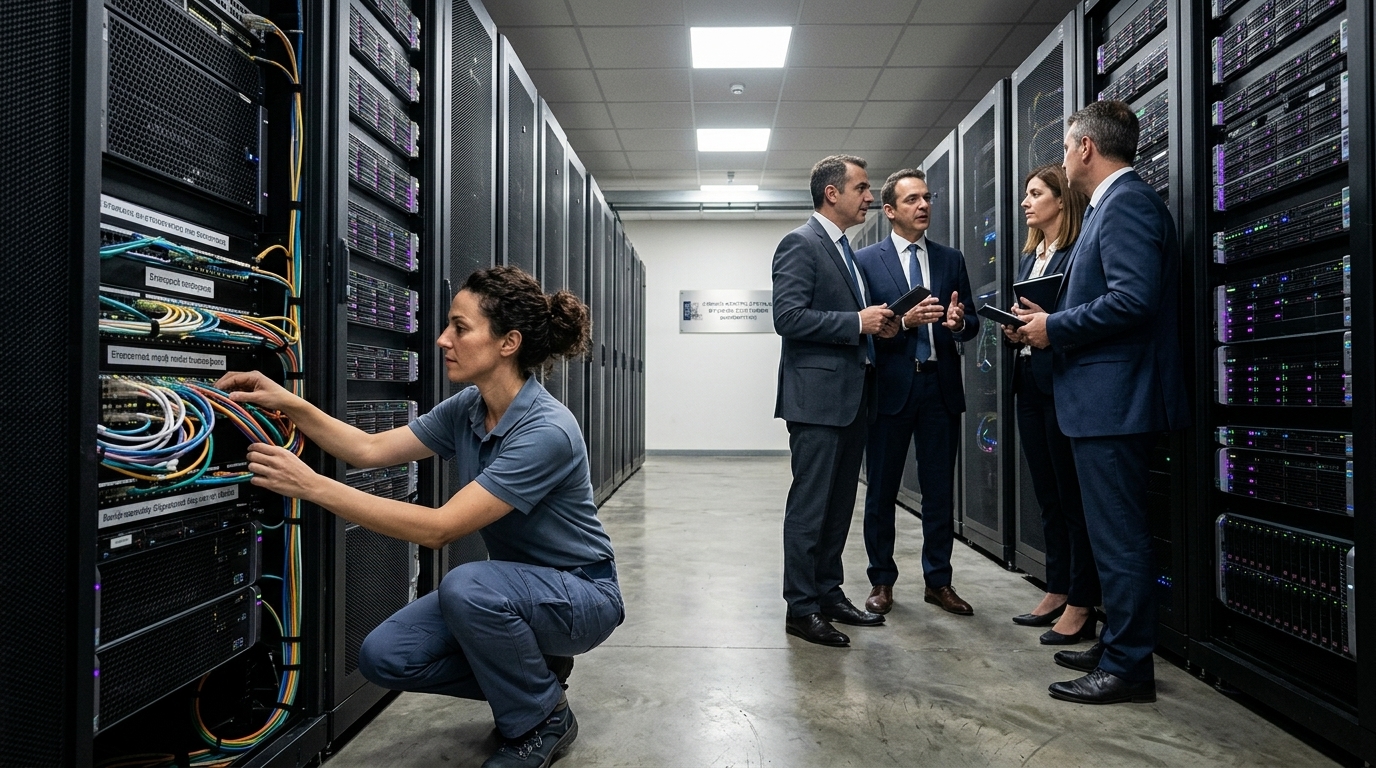
The European Commission, under the leadership of Ursula von der Leyen, has prioritized the creation of "AI Factories." This is a network of supercomputers that will allow European startups and researchers to train large language models (LLMs) on European soil, using European values and adhering to the strict framework of the AI Act.
Mistral, Aleph Alpha, and the Hope of "Made in Europe"
At the heart of this effort are companies like France's Mistral AI and Germany's Aleph Alpha. Mistral, founded by former Meta and Google DeepMind executives, managed in a very short time to present models that rival US models in performance while maintaining an open-source approach. This is crucial as it allows European businesses to tailor the technology to their needs without sending sensitive data to servers outside the EU.
"Sovereignty in artificial intelligence is not a matter of ego, but a matter of democracy. If we do not control the models that make decisions for us, we do not control our future," says a European Commission official.
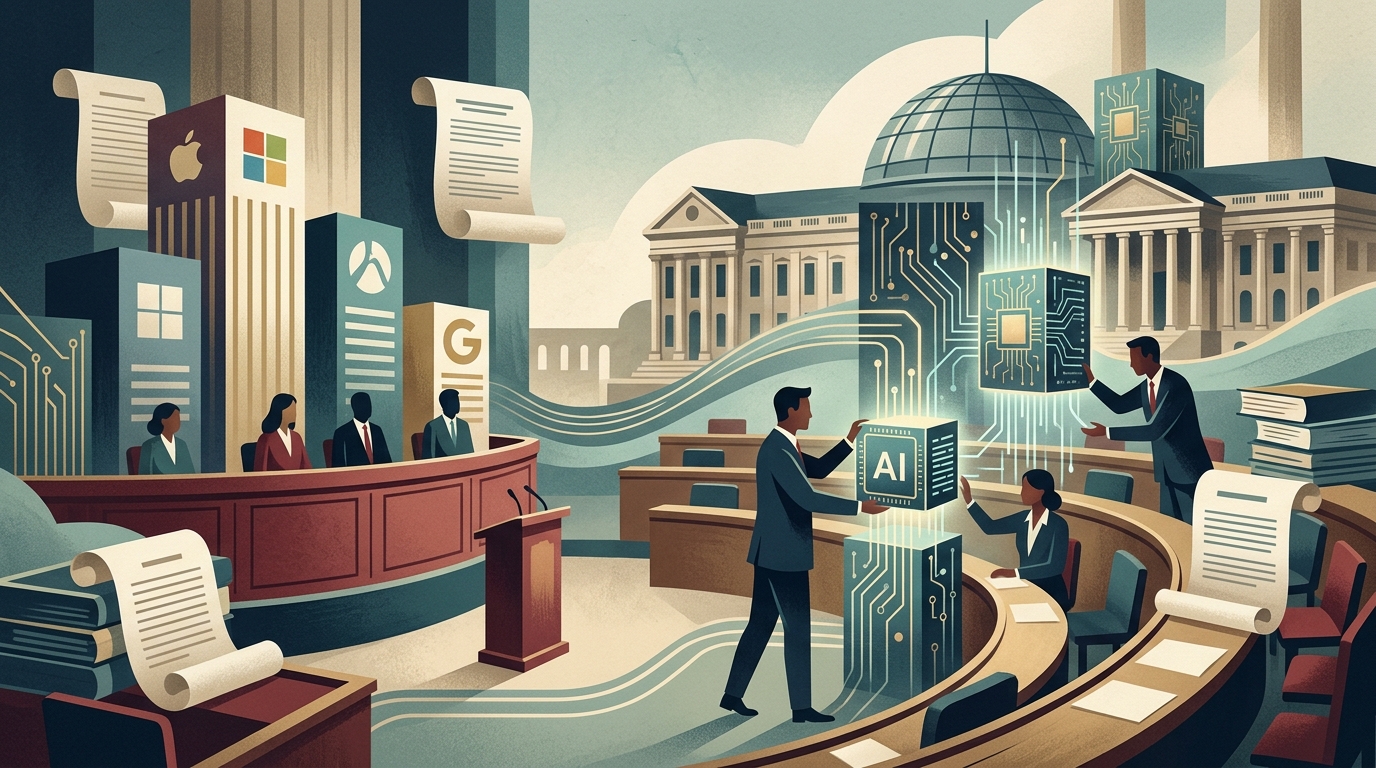
However, the venture is not without obstacles. While Europe possesses excellent research personnel, it lags desperately in venture capital. American AI companies raise billions in every funding round, while European ones are often forced to seek investment from the very Big Tech companies they are trying to compete with, as seen with the Microsoft-Mistral partnership.
The Infrastructure and Semiconductor Challenge
Beyond software, the big battle is being fought in hardware. Europe depends almost entirely on NVIDIA chips for AI training. The European Chips Act initiative aims to double the EU's share of global semiconductor production by 2030, but the road is long. Building cutting-edge manufacturing plants (fabs) requires time and colossal investments that Europe is only now beginning to mobilize.
Furthermore, energy is another critical factor. AI data centers require vast amounts of electricity. Europe is trying to link AI development with the Green Deal, promoting "green" data centers powered by renewable energy sources, creating an ethical and environmental advantage over its competitors.
Conclusion: A Marathon, Not a Sprint
Europe's effort to reduce its dependence on the US in Artificial Intelligence is a multi-layered strategy combining regulation, investment, and geopolitics. It is not just about creating a "European ChatGPT," but about building an ecosystem that will allow Europe to remain a global player in the 21st century. The success of this venture will determine whether Europe will be the creator of the future or merely a regulated consumer of others' technologies.