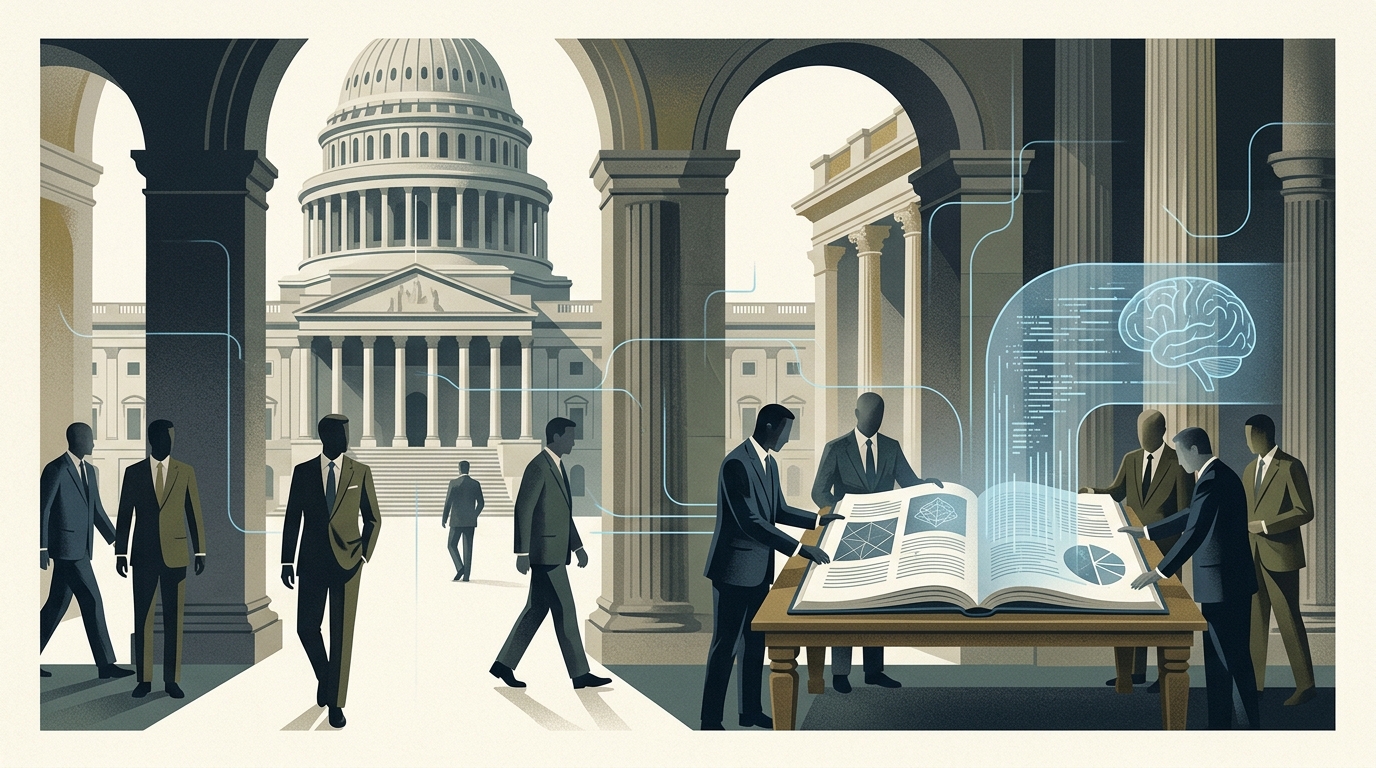
As we navigate the summer of 2026, the European banking landscape is confronting an unprecedented challenge. Despite the phased implementation of the European Union’s landmark AI Act, top bankers and analysts are sounding the alarm: technological evolution has already outpaced institutional safeguards. The integration of Generative AI into core banking functions—ranging from credit risk assessment to automated high-frequency trading—is creating an environment where velocity consistently trumps transparency.
The Chasm Between Innovation and Compliance
The prevailing argument echoing through the halls of the European Central Bank (ECB) and major commercial institutions is that traditional supervisory methods are far too slow for a world moving at the speed of algorithms. While regulators typically require months or years to codify rules, AI models are retrained and evolved in a matter of weeks. This has birthed a 'regulatory gap,' where banks deploy tools whose full systemic implications remain poorly understood by overseers.
Recent reports indicate a surge in the use of 'black-box' models for loan approvals. These algorithms, while exceptionally efficient at processing vast datasets, often lack 'explainability.' If a bank denies a loan based on an algorithm that cannot articulate its reasoning, it violates fundamental tenets of EU law. However, the problem is systemic: if multiple institutions utilize similar models that make the same erroneous decisions simultaneously, the entire market faces a liquidity or stability crisis.
Systemic Risks and 'Algorithmic Herding'
One of the gravest risks highlighted by financial executives is 'algorithmic herding.' In capital markets, when multiple AI systems are trained on similar datasets, they tend to react identically to external stimuli. This can lead to instantaneous 'flash crashes,' where asset prices plummet in seconds without human intervention or the possibility of manual override.
- Contagion Risk: The interconnectedness of banking systems via shared AI providers (such as Microsoft, Google, or OpenAI) means that a flaw in a single foundational model could compromise the entire European financial infrastructure.
- Cybersecurity Threats: AI is now being weaponized by bad actors to orchestrate sophisticated phishing attacks and deepfakes, specifically targeting bank authentication protocols.
- Bias and Exclusion: Despite efforts toward 'Ethical AI,' training data often harbors historical biases that can lead to the systemic exclusion of certain demographics from the banking system.
"We are not merely dealing with a new technology, but a paradigm shift in how risk is defined. Current legislation is like trying to restrain a fighter jet with rules designed for bicycles," noted a senior executive at a major French bank.
The Case for 'Dynamic Regulation'
The solution proposed by the banking community is not less regulation, but smarter, more agile oversight. There is a growing call for the adoption of 'Regulatory Technology' (RegTech), where supervisory bodies themselves utilize AI to monitor banks in real-time. This would allow for the detection of anomalies before they escalate into full-blown financial crises.
Furthermore, there is intense pressure to establish a dedicated European Financial AI Oversight Agency. This body would have the mandate to conduct 'stress tests' not just on a bank's capital reserves, but on its algorithmic integrity. The challenge remains: how can European banks remain competitive against US and Chinese giants when the former are bound by significantly more stringent constraints?
In conclusion, 2026 marks a pivotal turning point. Artificial Intelligence is no longer a futuristic promise; it is the daily reality of the financial sector. Europe's success will depend on its ability to bridge the gap between technological speed and institutional safety, ensuring that the next financial crisis is not triggered by a rogue algorithm or an unexplainable line of code.