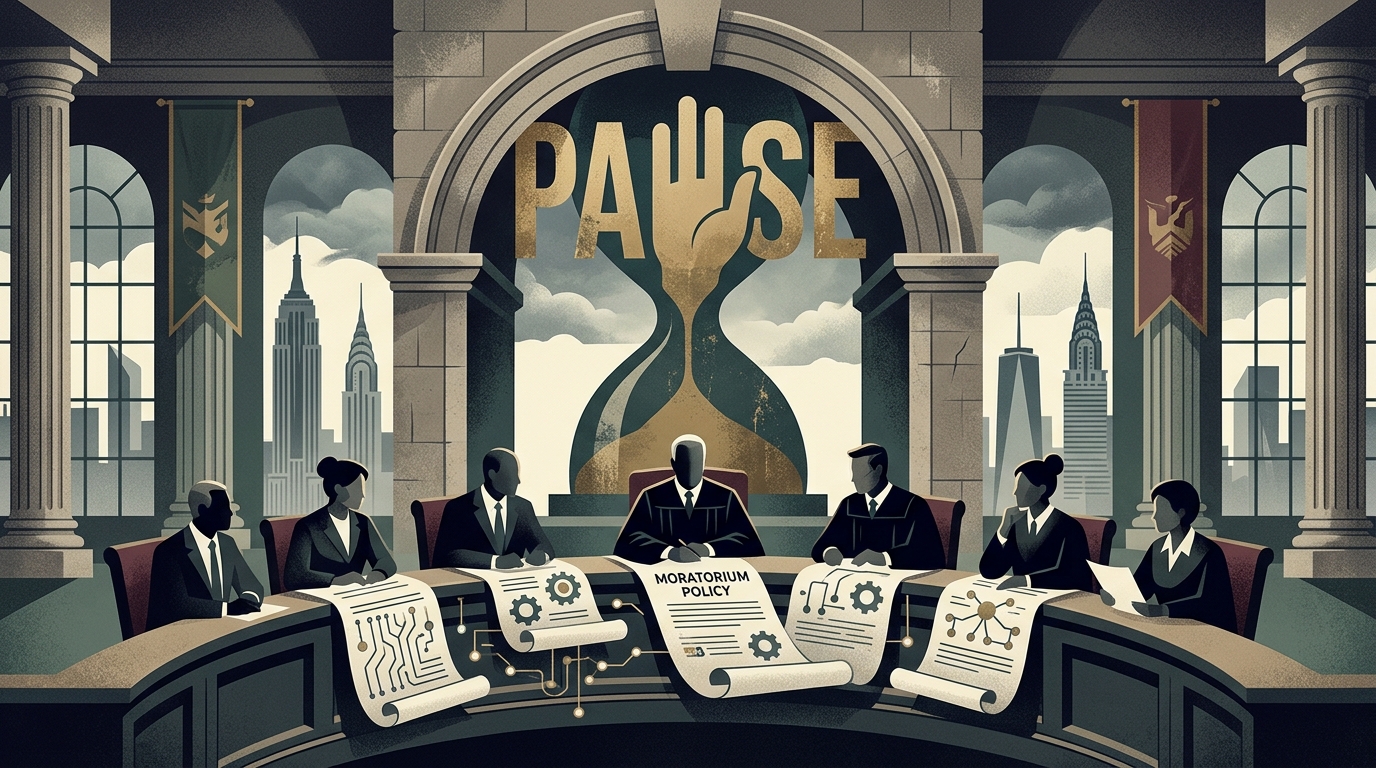
The era of the 'Wild West' for Artificial Intelligence in Europe is coming to an end. With the release of the new guidelines for the implementation of the AI Act, the European Union is not merely attempting to regulate a technology, but to redefine the relationship between citizens and the digital world. These guidelines, which detail the world's first comprehensive AI law, focus on three critical pillars: chatbot transparency, tackling deepfakes, and ensuring the integrity of information and news.
The Obligation of Disclosure: When the Chatbot Drops the Mask
One of the most fundamental changes introduced by the new guidelines concerns user interaction with AI systems. From now on, any conversational system (chatbot) or content generation tool that interacts with humans must make its identity clear. This is no longer an ethical choice for companies but a legal necessity. Users have the right to know whether the responses they receive originate from an algorithm or a human being.
This regulation aims to prevent manipulation. In a world where AI can mimic human empathy with terrifying accuracy, there is a real risk of users being nudged into decisions they wouldn't otherwise make. The guidelines specify that labeling must be 'clear and prominent,' preventing companies from burying this information in complex terms of service.
Deepfakes: The Battle for Truth in Sight and Sound
The issue of deepfakes represents perhaps the most immediate threat to democratic stability and personal dignity. The new EU guidelines impose strict labeling obligations for any content created or manipulated via AI that resembles a real person, object, or event. This includes images, video, and audio clips.
- Mandatory Metadata: Every file produced by AI must carry a digital footprint certifying its origin.
- Visible Watermarks: In many cases, the labeling must be visible to the end-user, leaving no doubt about the content's authenticity.
- Exemptions for Art: Provisions exist for artistic creation or satire, provided they do not mislead the public regarding reality.
The challenge remains technical. While the EU legislates, platforms are tasked with developing tools that automatically detect and label AI content—a task that has proven difficult as generative algorithms evolve faster than detection algorithms.
Journalism in the Age of Algorithms
For the media industry, the EU guidelines are a double-edged sword. On one hand, they protect journalists and organizations from the unfair competition of mass-produced fake news generated by AI. On the other, they impose new standards of ethics and verification. News organizations using AI for drafting articles or gathering information must be fully transparent with their audience.
"Artificial intelligence must be a tool in the service of truth, not a machine for generating doubt," the Commission's documents state.
Particular emphasis is placed on protecting electoral processes. The guidelines require large platforms to take emergency measures during election periods to prevent the spread of misleading content that could alter voter sentiment. This includes the rapid removal of unlabeled deepfakes involving political figures.
Enforcement and Penalties: The Role of the AI Office
The implementation of these rules does not rely on corporate goodwill. The newly established European AI Office will serve as the watchdog. Penalties for non-compliance are severe, reaching up to 7% of global annual turnover for companies that violate rules regarding prohibited AI practices.
In conclusion, the new EU guidelines represent a bold attempt to bring order to digital chaos. While technology moves at breakneck speeds, Europe chooses the path of regulation, hoping that the 'Brussels Effect' will compel the rest of the world to adopt similar standards for citizen protection.