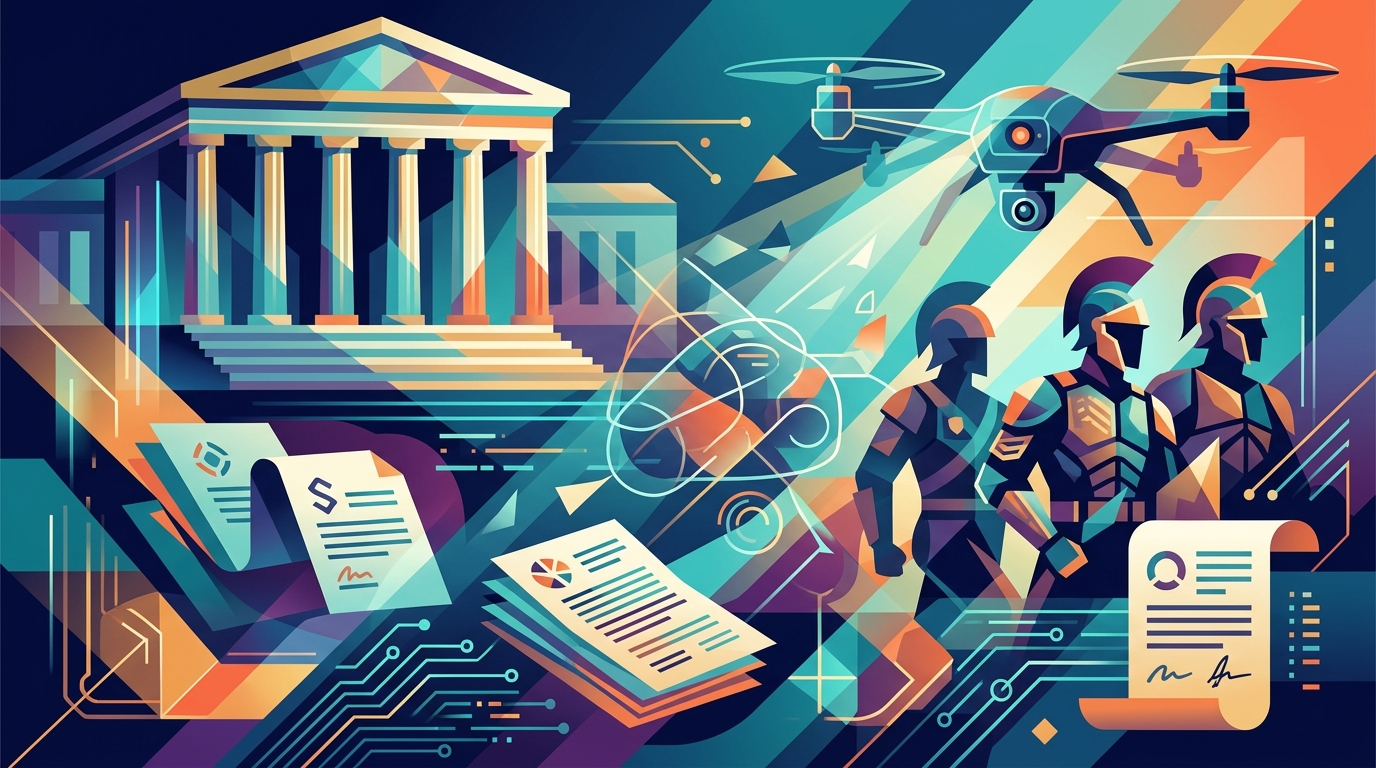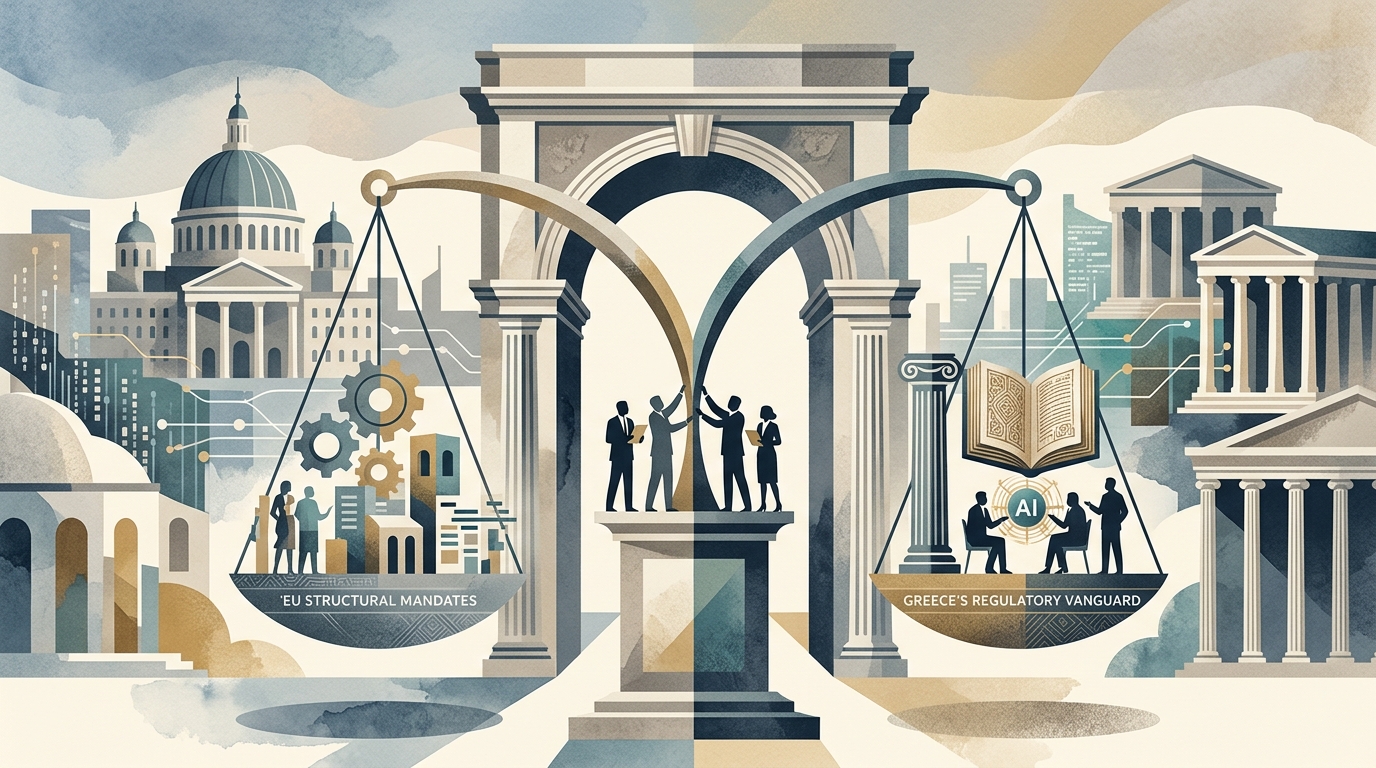
In an era where technological evolution moves at speeds that often outpace the ability of legislators to keep up, the European Parliament took a decisive step today, June 17, 2026. With a broad majority, MEPs approved a series of amendments to the landmark AI Act, aimed at tightening the regulatory framework for high-risk systems and protecting the fundamental rights of citizens.
This move is not merely a bureaucratic update but a profound political statement about the future of digital sovereignty in Europe. As AI models become increasingly pervasive in daily life—from employee recruitment to the administration of justice—the need for a clear, ethical, and functional framework has become imperative. The new amendments focus on three main pillars: the ban on real-time biometric identification, strict transparency for General Purpose AI, and the strengthening of the European AI Office's role.
The Red Line of Biometric Surveillance
The most contentious issue of the negotiations was the use of biometric identification in public spaces. The amendments approved today definitively close the loopholes that allowed some member states to experiment with real-time facial recognition systems. Despite pressure from law enforcement agencies, the Parliament decided that the risk of turning European cities into zones of constant digital surveillance outweighs any security benefits.
"We cannot sacrifice our freedom on the altar of a supposed security based on algorithms," stated one of the rapporteurs. The ban also extends to predictive policing systems, which have been internationally criticized for reproducing racial and social biases. With this move, Europe fully differentiates itself from the surveillance model followed in China, as well as from the more laissez-faire model of the United States.
Transparency and Intellectual Property
Another critical area covered by the amendments concerns generative models (Generative AI). Following the explosion of LLMs (Large Language Models), the need for content creators to know if their work was used to train these models became a matter of survival for the cultural sector. The new provisions require AI developers to publish detailed summaries of copyright-protected data used in training.
Furthermore, any content generated by AI—whether text, image, or video—must carry mandatory labeling. This "digital watermark" is considered the last bastion against the spread of deepfakes and disinformation, which threatens the stability of democratic processes, especially ahead of upcoming elections in several member states.
The Challenge of Innovation and the 'Brussels Effect'
Despite the enthusiasm of human rights organizations, the tech industry expresses skepticism. Many analysts warn that excessive restrictions could lead to a "brain drain" toward the US or Asia, where the regulatory framework is more relaxed. However, the EU is betting on the so-called "Brussels Effect": the belief that global companies will prefer to comply with strict European standards to access the single market of 450 million consumers, thereby making European rules the global de facto standard.
The amendments also provide for the creation of a stronger European AI Office, which will act as the central supervisor. This Office will have the power to impose fines of up to 7% of a company's global turnover, an amount that commands respect even from the tech giants of Silicon Valley. The challenge now shifts to implementation: will the European bureaucracy be able to move with the same speed as neural codes evolve?