The curtain is finally falling on one of the most controversial corporate governance cases of recent years, as Elon Musk has reached a $1.5 million settlement with the U.S. Securities and Exchange Commission (SEC). The case centered on the delayed disclosure of his stake in Twitter (now X) in the spring of 2022, a move that triggered a chain reaction in global markets and ultimately led to his $44 billion acquisition of the platform.
For many analysts, the settlement amount feels symbolic given the financial scale of the transaction. However, this decision is not merely the end of a legal loose end; it signals a shift in SEC strategy, which appears to be adopting a more "flexible" doctrine to close fronts that could otherwise drag on in court for decades.
Timeline of a Foretold Violation
It all began in March 2022, when Musk started systematically purchasing Twitter shares. Under U.S. federal law, any investor who acquires more than 5% of a publicly traded company must disclose it to the SEC within ten days. Musk crossed this threshold on March 14, 2022, meaning his disclosure deadline was March 24.
Instead, the billionaire founder of Tesla and SpaceX made the filing on April 4, 2022. During those eleven days of silence, Musk continued to accumulate shares at prices that had not yet been impacted by the news of his entry into the company. When the announcement was finally made, Twitter's stock surged by 27%, yielding Musk a paper profit estimated at over $143 million.
The SEC argued that this delay deprived other shareholders of the chance to make informed decisions, effectively allowing Musk to buy shares at a "discount" at the expense of retail investors.
The SEC Strategy and the 'Flexible Doctrine'
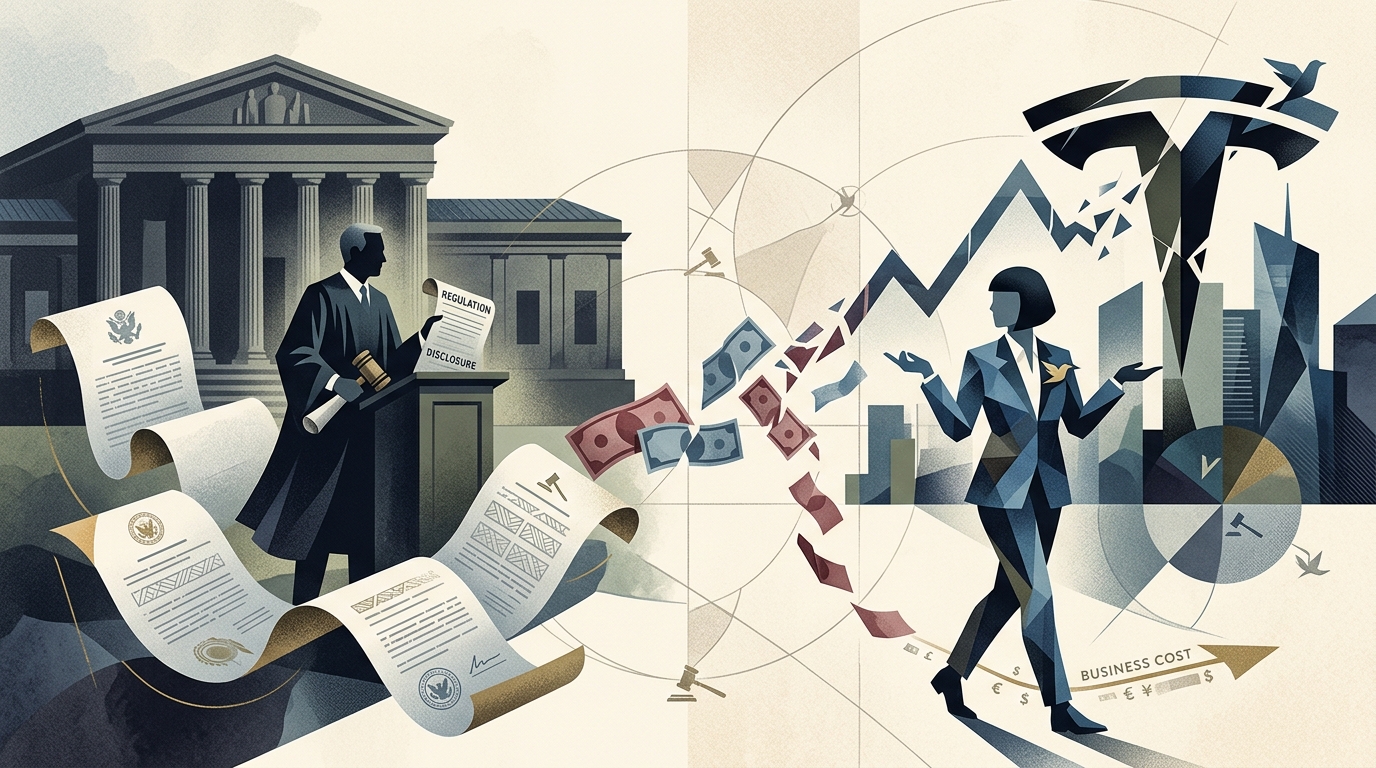
The $1.5 million settlement comes at a time when the SEC is facing criticism regarding its effectiveness. On one hand, the fine confirms the violation. On the other, the amount—representing less than 1% of the profits Musk gained from the delay—is seen by many as a mere "cost of doing business."
Within Wall Street circles, there is talk of a new Commission doctrine. Given Musk's immense financial power and his willingness to fight legal battles to the bitter end, the SEC chose a quick resolution. A protracted legal fight would have required vast public resources and could have resulted in an uncertain verdict. The settlement allows the agency to record a "win" on paper, even if the penalty lacks a strong deterrent effect for the future.
- The decision sets a precedent where speed of resolution is prioritized over the severity of punishment.
- Critics argue this encourages other titans to ignore disclosure rules if the profit outweighs the penalty.
- The SEC, however, maintains that the settlement includes compliance mandates that are as significant as the monetary fine.
Implications for Corporate Governance
This case highlights the growing gap between traditional regulatory frameworks and the new reality of tech "super-investors." In the era of social media and algorithmic trading, a delay of just a few days can translate into hundreds of millions of dollars in gains or losses.
"If the fine for a violation is less than the profit generated by that violation, then the law effectively becomes a price list for services," noted legal scholars in Washington.
For Elon Musk, the settlement closes another chapter in his turbulent relationship with U.S. regulators. From the infamous "funding secured" Tesla tweet in 2018 to the present, Musk continues to test the SEC's limits, often emerging unscathed or with minor scratches. The market is now watching how this "flexibility" will affect future acquisitions and whether the SEC will ultimately need a radical legislative overhaul to remain relevant in the 21st century.